Tai O wakes before its own reputation does. By five-thirty in the morning, the stilt houses along the water channels are still dark shapes, propped on wooden legs above the mud, and the only light is the one that hasn’t quite arrived yet — a pale band of grey-blue at the horizon that seems to hesitate before committing. The tide is out, and the smell of exposed silt and salt and something faintly vegetal rises from the channel floor. A dog barks once, somewhere on the far bank, and then goes quiet again. This is the moment photographers chase, and the moment that most visitors, arriving at ten or eleven on a tourist bus from Tung Chung, will miss entirely.
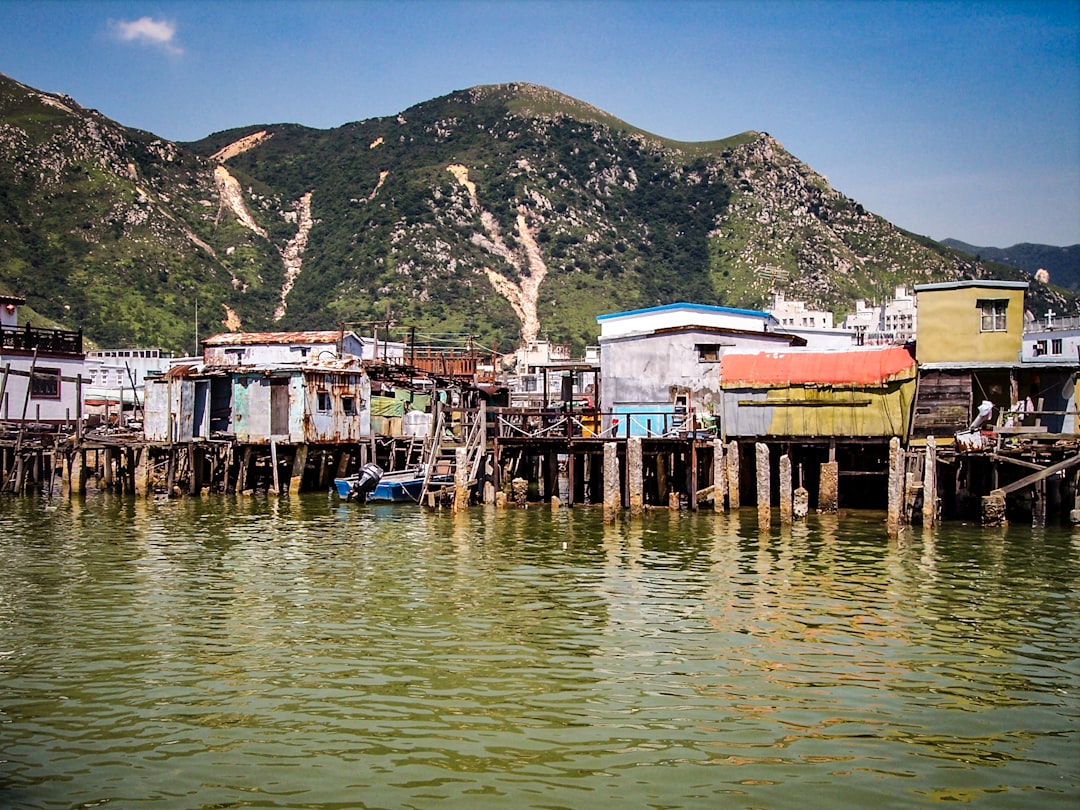
The stilt houses face east, which means the morning light hits them square on, turning their weathered wooden facades and corrugated iron roofs into a study in shadow and gold. The structures themselves are neither beautiful nor decrepit — they are simply old and lived-in, patched with whatever material was to hand, and that pragmatic patchwork is what the low sun illuminates. A shutter hangs at an angle. A pair of rubber boots sits on a step above the waterline. A cat stretches on a roof that someone repaired with a salvaged piece of zinc sheeting. None of it is staged for a photograph, and that is precisely what makes it worth photographing.
Getting to Tai O at this hour requires a decision made the night before. The first bus from Tung Chung departs at six-fifteen, which means arriving by public transport means arriving after the best light has already softened, after the sun has climbed above the hills on Lantau’s far side and flattened the shadows into something less interesting. The alternative is a taxi from Tung Chung, a fifteen-minute ride that costs roughly a hundred and twenty Hong Kong dollars, or staying overnight — an option that fewer travellers consider, despite the existence of a handful of guesthouses tucked into the village’s narrow lanes. A single night in one of the stilt-house accommodations runs about four hundred and fifty dollars, which is less than a mid-range hotel in Central and comes with a view that no hotel can offer: the village at rest, seen from a balcony that vibrates slightly when someone walks past. You stay longer than you planned.
The guesthouse rooms are modest. A bed, a fan, a window that opens onto the channel. The walls are thin enough to hear the neighbour’s television and the clatter of a mahjong game two doors down. But the trade-off is proximity — a walk of less than a minute to the waterfront, where the first hint of light begins to separate the sky from the water. The owner of the guesthouse, an elderly woman who speaks a mix of Cantonese and a few words of English, gestures toward the window and says, “Six o’clock. Good light, or something like that.” She is right. She is always right.
By six-fifteen, the light has moved from grey to pale pink to something almost orange, and the stilt houses have begun to take on definition. The shadows stretch westward across the water, long and clean-edged. A fishing boat, tethered to one of the stilts, rocks gently with the incoming tide. On the far bank, a man emerges from a house, lights a cigarette, and stands at the edge of his porch, looking out at nothing in particular. He is not a figure in a tableau. He is a man having a cigarette before the day starts, and he does not seem to notice the photographer on the opposite bank who is trying to frame him against the rising sun. He finishes the cigarette, flicks the butt into the water, and goes back inside. The moment passes.
By seven, the village is audibly awake. The clatter of metal shutters being rolled up. The hiss of a wok from a noodle shop. The high-pitched chatter of children being herded toward the school bus that stops at the bridge. The morning market along the main street is already active — not the tourist market, which opens later and sells dried seafood and preserved plums in plastic packaging, but the real market, where a woman sits on a low stool with a basket of live shrimp and a knife, and where another woman sells vegetables that were picked before dawn. A visitor who stops to look is not a customer until they ask the price. There is a brisk efficiency to the transactions that does not pause for curiosity.
The shrimp are small and grey and still twitching. The woman selling them does not smile. She does not need to. She has been doing this for forty years, and her customers know where to find her. A handful of shrimp costs thirty dollars, wrapped in newspaper and handed over without ceremony. The visitor who buys them has no kitchen in which to cook them, but the transaction itself is the point — a small act of participation in a rhythm that has not changed much, despite the tourist ferries and the Instagram posts and the development pressure that creeps closer every year.
Tai O’s history as a fishing village goes back more than two centuries, and for most of that time, its isolation was its defining feature. Until the bridge was built in the 1990s, the only way in or out was by boat. The stilt houses were not a picturesque choice but a practical one — built over the tidal flats because the land was too steep for housing and because the water provided a convenient way to dispose of waste. The village’s famous shrimp paste, a pungent, salted condiment that smells like the ocean at low tide, is made in large concrete vats along the waterfront, and the smell of it is unmistakable: briny, sharp, something between fermentation and preservation. It is not a pleasant smell, exactly, but it is an honest one.
The tourist version of Tai O is a different thing entirely. By ten in the morning, the buses have arrived, and the main street is thick with visitors shuffling from one dried-fish stall to the next, pausing to take photos of the stilt houses from the bridge, buying bottles of shrimp paste they will never use. The narrow lanes are crowded, the pace is slow, and the experience is recognisably that of a heritage site — curated, signposted, manageable. The village has adapted to its role as a destination. There are signs in English and Mandarin. There are souvenir shops selling the same wooden magnets and postcards sold in Stanley and Tsim Sha Tsui. There is a row of restaurants offering “traditional Tai O” dishes at prices that are not traditional at all.
None of this diminishes the value of what remains. The stilt houses are still there, even if the best views of them are now crowded. The shrimp paste is still made, even if it is sold to tourists who will not know what to do with it. The real tell is the smell: in the morning, before the buses arrive, the village smells like fish and salt and wet wood. By afternoon, it smells like frying oil and exhaust fumes and sunscreen. The difference is the measure of how the village lives in two registers at once.
The bridge that connects the two halves of Tai O is the best place to see this duality in action. Built in 1996 to replace the earlier rope-and-wood footbridge, it is a sturdy, unremarkable structure that carries pedestrians over the channel. From the middle of the bridge, a visitor can look in one direction and see the stilt houses in their full glory, a chaotic jumble of wooden beams and corrugated iron and drying laundry, and in the other direction, the open water of the South China Sea, where container ships crawl along the horizon. The bridge is always crowded by mid-morning, but at dawn, it is empty. Standing on it at six in the morning, watching the light change, a visitor might feel like they have discovered something that was always there but never quite visible in the daylight of the tourist hours.
The channels themselves are navigable by the small wooden boats that ferry visitors on short tours around the village. A twenty-minute ride costs twenty-five dollars and takes a route that passes beneath the stilt houses, giving a close-up view of the barnacled pilings and the makeshift plumbing that feeds into the water. The boatman does not narrate. He steers with one hand and occasionally points at something — an egret standing on a piling, a house that he says is a hundred and fifty years old — but mostly he lets the village speak for itself. The water is brown and opaque. The smell is stronger down here. Plastic bottles float past. It is not a pristine experience, and that is the point. This is a working village, not a theme park, and the boats are a way of seeing it as it is, not as it has been curated to appear.
The Chinese white dolphins that once made Tai O famous are now rarely seen. The population has declined sharply in the past two decades, driven away by construction work on the Hong Kong-Zhuhai-Macau Bridge and the increased marine traffic that came with it. The boat tour operators still mention the dolphins in their advertising, but the mention has become aspirational rather than factual. A visitor who comes to Tai O expecting dolphins will likely leave disappointed. A visitor who comes for the stilt houses and the light and the layered, uncompromising reality of a village that refuses to become a museum will leave with something more durable.
The food in Tai O deserves its own attention, separate from the photogenic structures. The village’s most famous dish is not the shrimp paste that fills the souvenir shelves but the grilled seafood sold from street-side charcoal braziers. Squid, shrimp, scallops, and fish balls are threaded onto bamboo skewers, brushed with a mixture of oil and soy sauce and something sweet, and cooked over glowing coals until the edges char and the flesh firms. The smoke from the braziers mingles with the salt air and the diesel fumes from the boats, creating an atmosphere that is not picturesque but is powerfully evocative. A visitor who eats a skewer of squid while standing on the bridge, watching the boats come and go, is participating in a tradition that is older than the bridge itself, even if the tradition has been adapted for a tourist palate.
The fish balls are served in a clear broth with noodles at a stall near the market. The stall has no name, or at least no sign that a non-Cantonese speaker can read. The proprietor, a man in his fifties with a tattoo on his forearm that has faded to a blue smudge, ladles the broth into bowls with a practiced rhythm, adding a sprinkle of white pepper and a few leaves of coriander. The broth is light and clean, tasting of the sea without being fishy, and the fish balls have a texture that is springy and dense, nothing like the rubbery orbs sold in supermarket freezers. A bowl costs twenty-eight dollars and is served with a plastic spoon and a pair of chopsticks. There is no place to sit. Customers eat standing, hunched over the bowl, and the whole transaction takes less than five minutes from order to last sip of broth.
This efficiency is characteristic of Tai O’s relationship with visitors. The village provides what is needed — food, transport, a place to sleep — but it does not perform friendliness. The woman selling shrimp paste behind a mountain of plastic tubs will not smile for a photograph. The boatman will not offer a commentary. The guesthouse owner will not chat about her family. This is not rudeness; it is a refusal to treat tourism as a performance. The village has been here for somewhere around two hundred years. It will be here when the tourists leave. The stilt houses do not need Instagram to light up their existence.
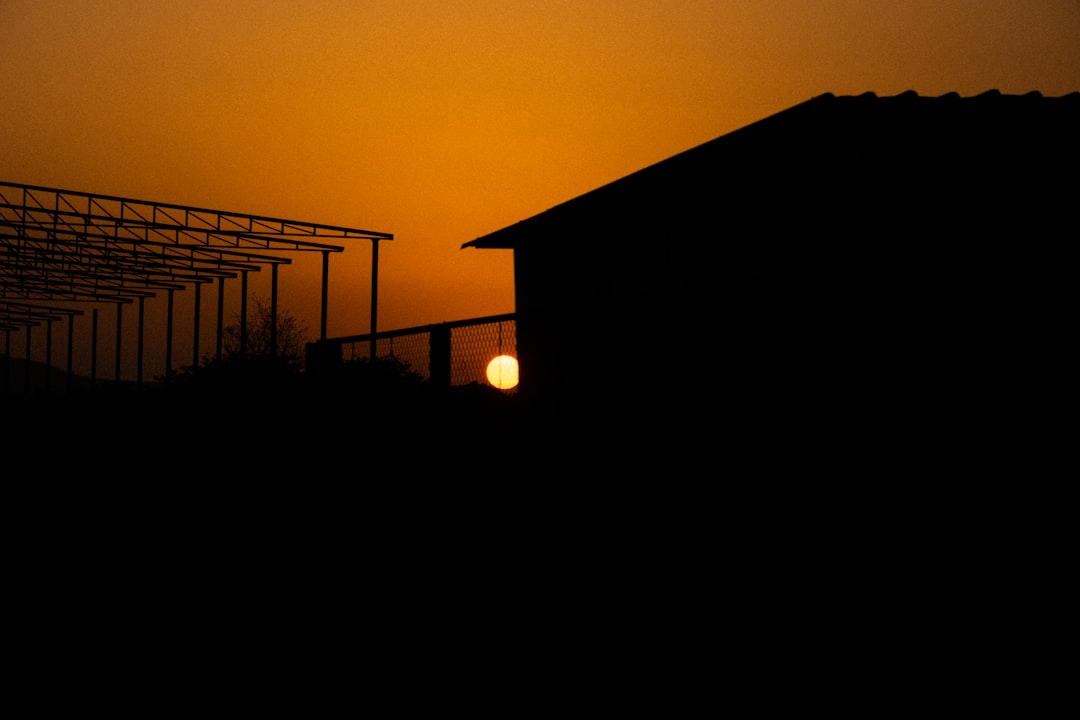
By late afternoon, the light has swung around, and the stilt houses are backlit, their silhouettes dark against the western sky. The tourists have mostly gone, herded back onto buses that will take them to the Tung Chung cable car or the airport or the hotels on Hong Kong Island. The village exhales. The market stalls close, one by one. The grills are cleaned and covered. The smell of charcoal smoke lingers for a while and then fades into the evening salt air. A few visitors remain — the ones who booked a room, or the ones who decided to stay an extra hour past the last bus, gambling on a taxi that may or may not be available.
The evening light in Tai O is less dramatic than the morning light, but it has its own qualities. The shadows are longer. The water reflects a warm orange-gold. The stilt houses look tired in the way that old things look tired after a long day of being looked at. A visitor sitting on the bridge at dusk, watching the lights come on in the houses, one window at a time, might feel the quiet satisfaction of having seen the village in both its modes — the one staged for consumption and the one that exists without an audience. The dog barks again, somewhere in the darkness. The tide is coming in. The water rises beneath the stilt houses, and the village settles into the night, ready to do it all again tomorrow.

📷 Photos: Shubham Dhage (Unsplash), Shubham Dhage (Unsplash)