The El Niño pump boat was supposed to leave at seven. I was at the dock at ten to, coffee in one hand, a plastic bag of pandesal in the other, watching a man scrape barnacles off the hull of a bangka with what looked like a garden trowel. At seven-fifteen he stopped scraping, lit a cigarette, and stared at the horizon. At seven-thirty he nodded at me. “Later,” he said, and went back to scraping.
I’d read about “Filipino time” in about a dozen blog posts before arriving in Puerto Princesa. The phrase always came with a shrug and a smile, as if the inconsistency itself were charming. Standing on a wooden dock in the humidity, watching my breakfast bread go soft in its bag, I wasn’t charmed. I was trying to calculate whether a forty-minute delay meant I’d miss the last Underground River slot.
The woman at the tour desk, a compact person in a sun visor who introduced herself as Mel, saw me checking my watch for the fourth time. “The boat,” she said, not apologizing, “will come when it comes. Do you want more coffee?”
I took the coffee. It was Nescafé served in a tin cup with no handle, and it was too hot to drink, but holding it gave me something to do with my hands. Mel told me she’d been running the desk for six years. “Tourists worry about the time,” she said. “The river doesn’t.”
The pump boat eventually left at eight-fifteen. The ride out took forty-five minutes through water that was flat and grey under a sky that hadn’t decided what to do. The mangrove forest along the shore looked like a green wall that had been pushed back from the waterline. A heron stood on a dead branch, completely still, as if it had been placed there.
By the time I paddled into the cave mouth, it was nine-forty and the morning light had started to slant through the opening, lighting up the limestone ceiling in a way that looked deliberate, like someone had aimed a spotlight. Inside, the cave swallows sound. The oars dipped and the guide’s voice carried in a strange way — close enough to hear every word but also distant, as if underwater. The guide, a young man named Diego who’d been working the river for four years, pointed out formations with names like “the cathedral” and “the holy family,” but what I remember is the moment he cut the light. Everyone’s headlamps went off at once, and we sat in absolute dark. Nothing. No glow of exit light, no reflection. Just the sound of the boat shifting on the current and somewhere, far off, a drip of water hitting stone. “This,” Diego said in the dark, “is what it looked like before anybody came.” He let the silence hold for a long time, then flicked his light back on and continued the tour.
Puerto Princesa itself is a city in the way that a provincial capital in the Philippines can be a city: one main road, a handful of hotels, plenty of tricycles. I spent the afternoon walking the baywalk, eating grilled squid from a cart for sixty pesos, and watching kids jump off the pier into water that was the color of weak tea. A man next to me was selling boiled peanuts from a bucket. He didn’t call out to anyone. He just sat on a plastic stool and shelled peanuts into a paper cone, one by one, and when someone walked up he’d hold out the cone and name a price without looking up.
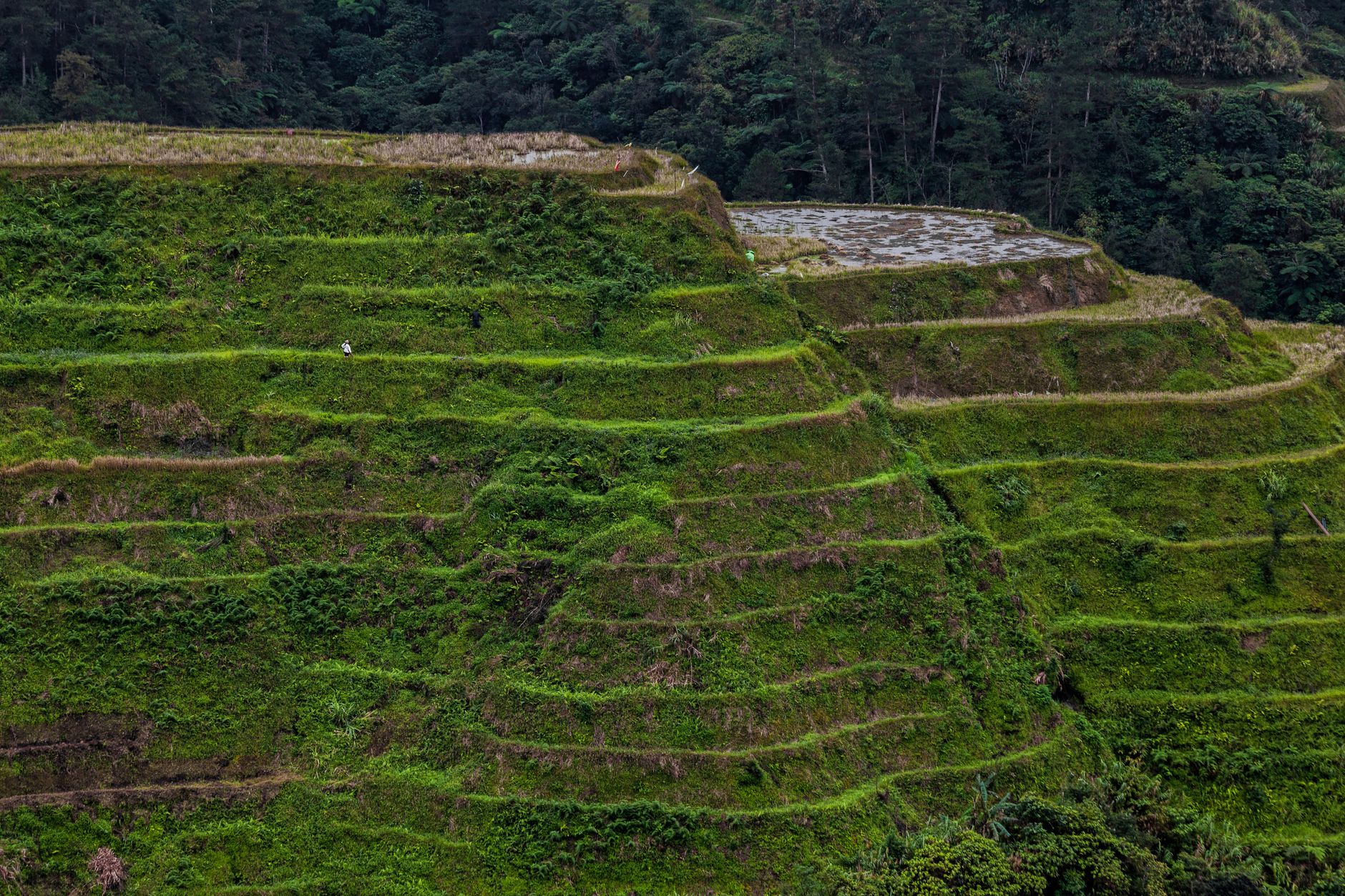
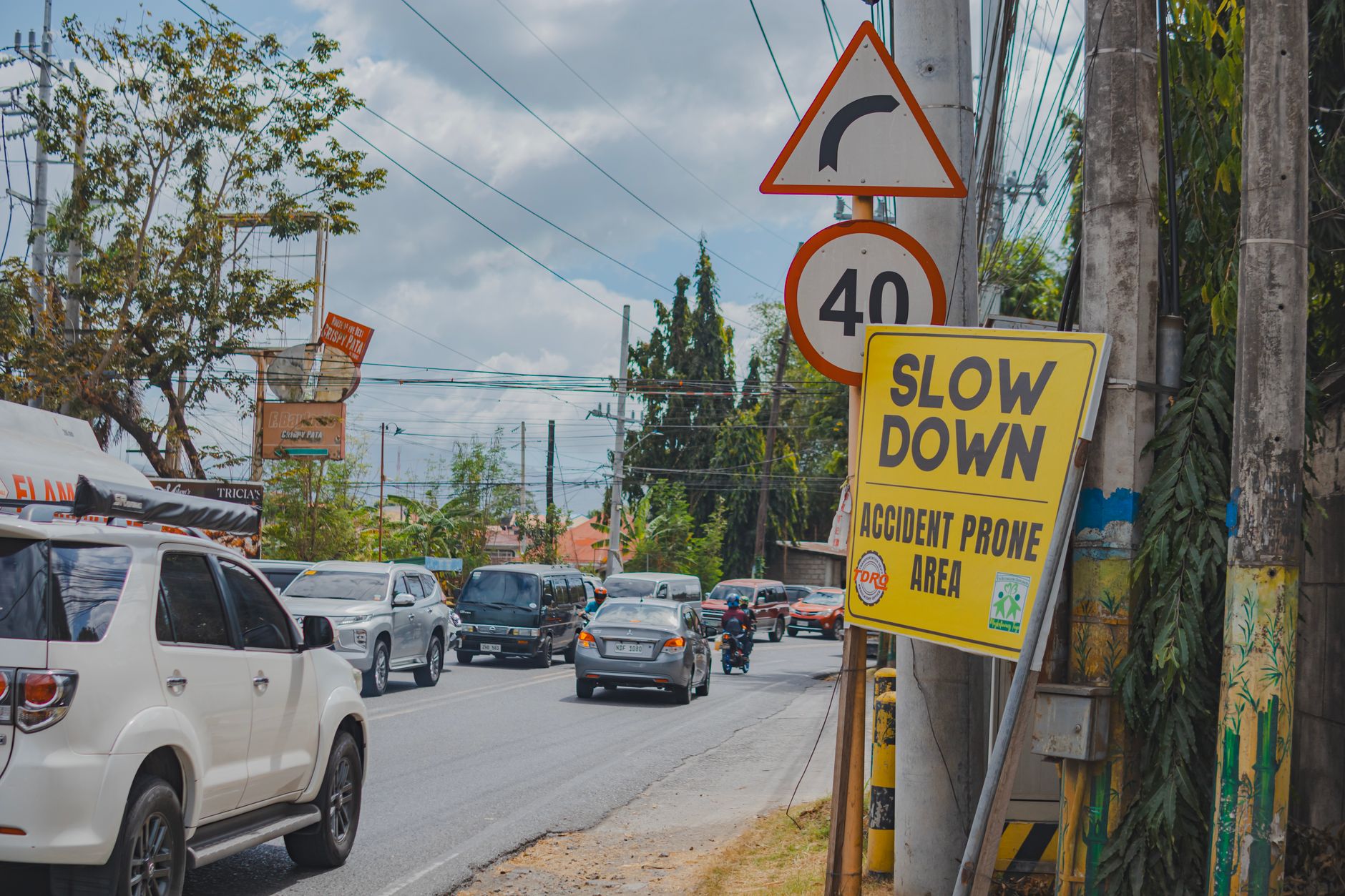
The next morning I caught a van to El Nido. Four hours on the zigzag road that cuts through the interior of the island, past rice paddies and carabao standing mid-river, and roads that turned from pavement to gravel without warning. The van had fourteen seats and carried seventeen people, including a woman with a live chicken in a woven basket on her lap. The chicken was quiet the whole way, which impressed me more than the driving.
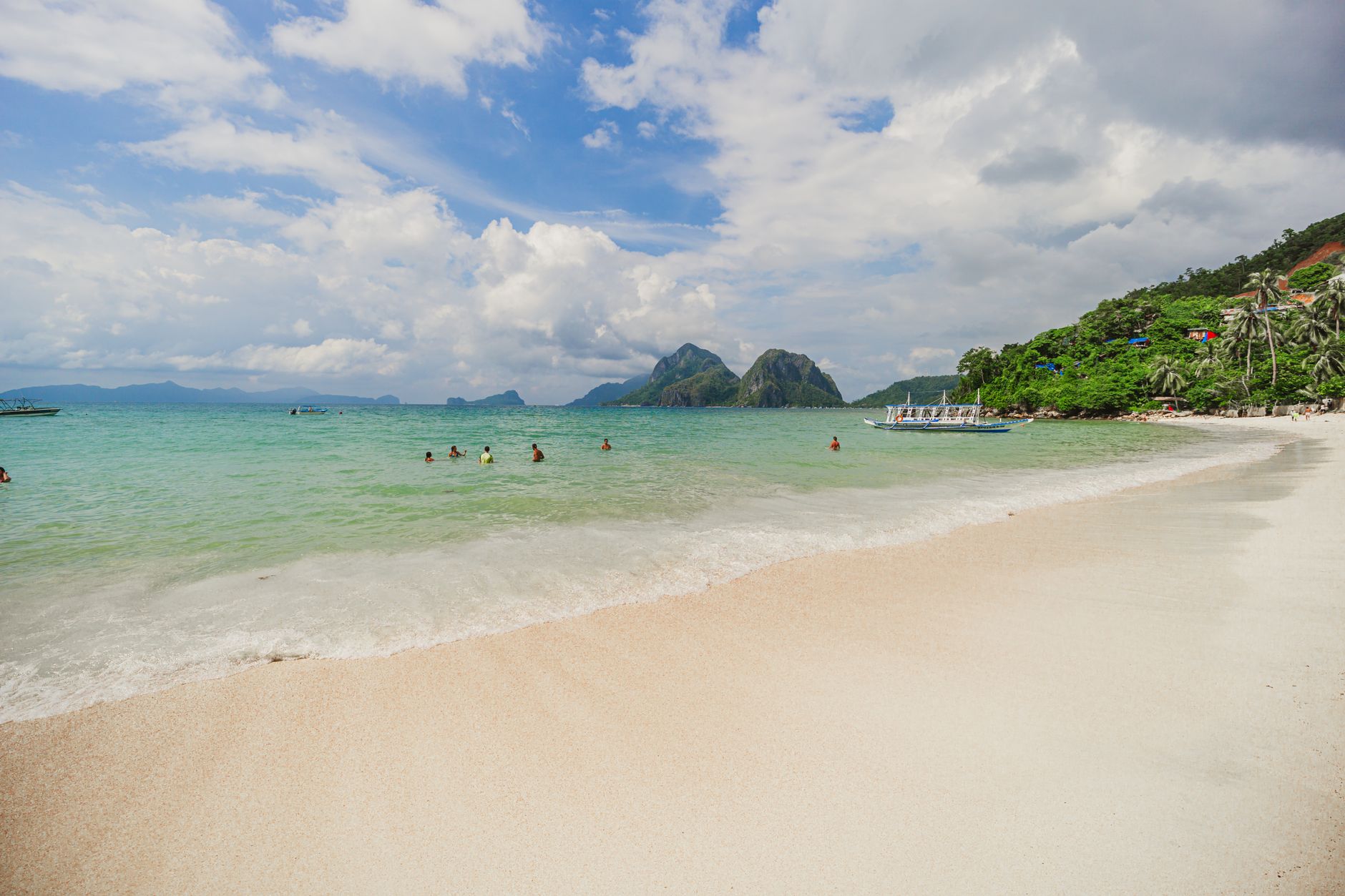
El Nido is where the postcard images come from. The limestone karsts rising out of turquoise water, the lagoons you can only reach by kayak at low tide, the beaches that look Photoshopped. I’d seen the photos. Everyone has. What the photos don’t show is the density of boats in the main bay at eight in the morning — dozens of them, lined up and ready, each carrying the same passengers to the same lagoons in the same order. The tour companies run a rotation system: Small Lagoon first, then Big Lagoon, then Secret Lagoon, then Shimizu Island for lunch.
I picked a tour operator not because I’d researched it but because the woman at the counter, a sharp-eyed woman named Gina, looked at me and said, “You’re alone, so you’ll sit at the front. The front gets less spray.” She wasn’t wrong. For two hours of open-water crossing in a boat with no windshield, sitting at the front meant I got damp instead of soaked.
“Wow” Out Loud
The Small Lagoon is entered through a crevice in the limestone that’s about the width of a single kayak. You paddle through a gap in the rock, and then the space opens up into a circle of water surrounded by cliffs covered in hanging vines. The water is clear enough to see the sandy bottom at fifteen feet. Someone on another kayak said “wow” out loud, and it wasn’t an exaggeration. I’d been skeptical of the hype — I’d read too many Instagram captions — but the place had a physical effect. It was quiet in a way that felt unusual, not just quiet from noise but quiet from the absence of traffic, of construction, of any human sound except the dip of paddles.
The kayak rental cost two hundred pesos. I paddled around the perimeter, past a couple taking selfies on a rock shelf, past a group of Japanese tourists who had brought a waterproof speaker and were playing what sounded like city pop. The guide, a local kid of maybe nineteen named Renato, paddled alongside and pointed out a sea turtle that surfaced briefly near the entrance, then vanished.
Big Lagoon is different. It’s larger, less enclosed, and at high tide the water gets deep enough for motorized boats to enter. The tour boats anchor at the mouth and let passengers swim or kayak inside. I chose to swim. The water was warmer than I expected, bathwater warm, and the limestone cliffs rose straight up on both sides. A French woman next to me said, “It’s like a swimming pool for gods.” It was the kind of sentence that sounded ridiculous on land but made perfect sense floating in that water.
Lunch was served on Shimizu Island — a spread of grilled fish, rice, fresh pineapple, and a vinegar dipping sauce that made everything taste better than it had any right to. The boat crew set up on the beach, and we ate sitting on towels in the sand, sharing food with the people from other boats. A stray dog wandered up and sat expectantly near a group of Koreans, who fed it pieces of fish skin. The dog accepted these with the dignity of an animal that had done this before.
Secret Lagoon is the least secret of the three. It’s a small pool at the base of a cliff, accessed by a short swim through a rock tunnel. The water is shallow and milky with limestone sediment. It’s crowded at midday. But the tunnel itself — a narrow, dark passage just long enough to make you hold your breath — is the best part. Coming out the other side into the light feels earned, even if it only took fifteen seconds.
The tour ended at four. Back in El Nido town, the beach was filling with people watching the sunset. Someone had set up a volleyball net. A woman was selling mangoes from a cart, each one peeled and skewered on a stick for thirty pesos. The sky turned pink and then orange and then a bruised purple that didn’t look real. I ate two mangoes and watched the light change. You could have done worse.
Port Barton, three hours north of El Nido by tricycle and van, has one main beach, a handful of guesthouses, and a road that turns to mud when it rains. The electricity goes out most afternoons. There are no ATMs. The appeal is that nothing much has been built yet — no beachfront resorts, no concrete pier, no sign announcing your arrival.
I stayed at a place called Sunset Beach Cottages, which was a row of bamboo huts with thatched roofs and hammocks on the porches. The owner, a woman in her sixties named Lita, had built the place herself over twenty years, one cottage at a time. “I started with one,” she said, pointing to the smallest hut near the water. “Then people came, so I built another.” She spoke about the construction the way someone might describe raising children — incremental, patient, a little surprised at how it turned out.
Port Barton’s beach-hopping tour runs on a different logic than El Nido’s. There are fewer boats, fewer tourists, and the itinerary is determined less by a fixed route than by the weather, the tide, and whatever the boat captain feels like that day. My captain, a quiet man named Boyet, said we’d go to three islands, maybe four, depending on the current. “We go where the water is good,” he said, and that was the extent of the planning.
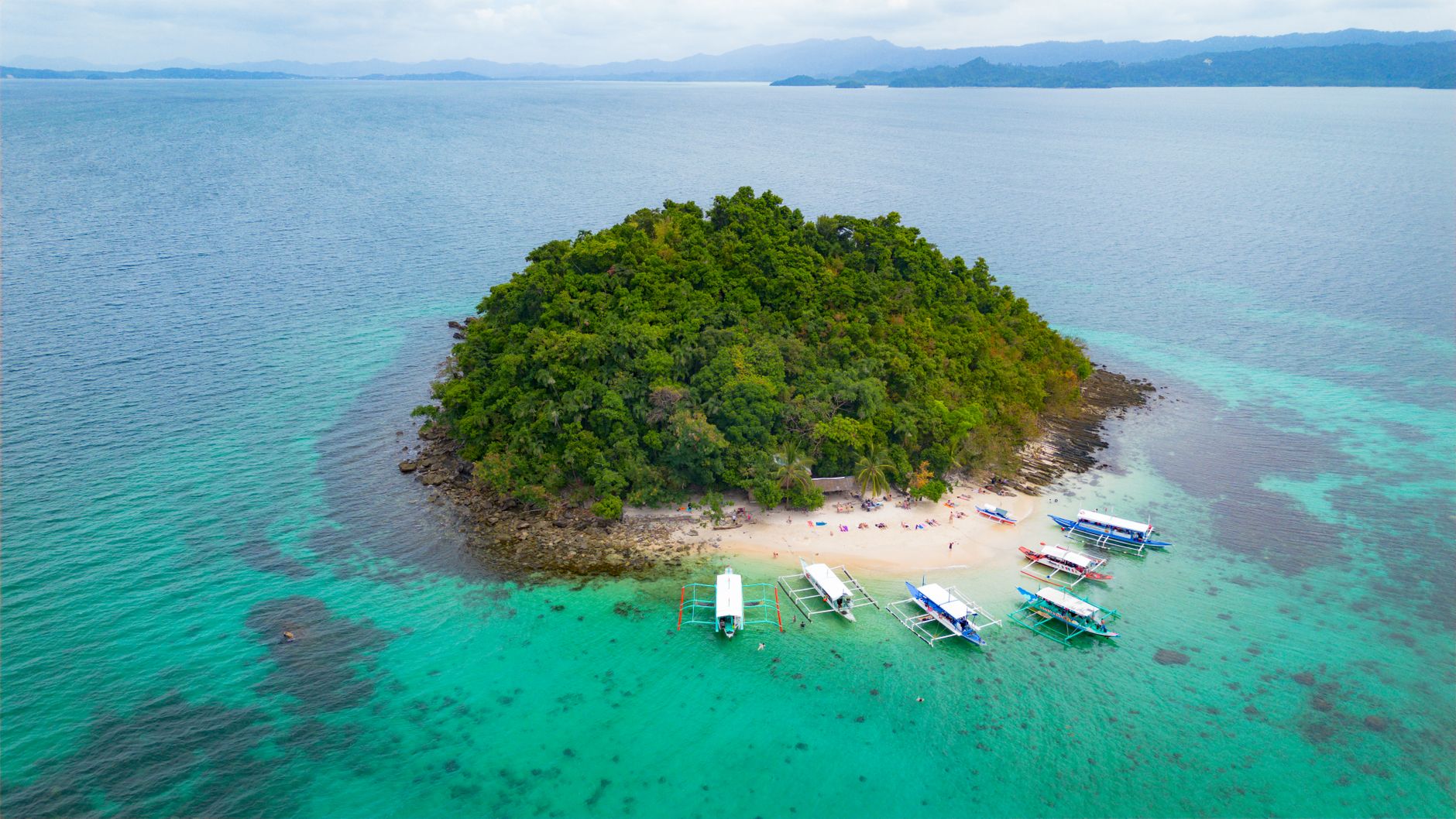
The first stop was a beach called Albaguen. It was a crescent of white sand with a single palm tree leaning out over the water. No structures. No vendors. A small reef off the shore held parrotfish and clownfish and a sea snake that I saw and then immediately swam away from. Boyet had brought a bag of fresh buko — young coconut — and hacked them open with a machete on the beach. The water inside was warm and sweet.
The second island had a sandbar that appeared only at low tide. We timed the arrival wrong, so the sandbar was just starting to show, a wet strip of sand barely wide enough to walk on. Boyet shrugged and said, “Next time, earlier.” He anchored the boat and we swam anyway, floating over the sandbar that was still submerged in places, the water waist-deep, the bottom a pale gold.
Lunch was grilled chicken and rice cooked on the boat, served on a beach that belonged to no one. A group of kids from a nearby fishing village paddled over on a homemade outrigger and watched us eat from a distance. Boyet waved them over and gave them each a piece of chicken. They ate it silently, then paddled back, trailing one hand in the water.
The third island, Starfish, was named for the red starfish that cover the seabed in the shallows. They were everywhere, hundreds of them, bright orange-red against the white sand. I stepped carefully, trying not to crush any. Boyet laughed. “They’re fine,” he said. “They’re tough.” He picked one up and showed me the tiny tube feet moving on its underside, then placed it back exactly where he’d found it.
By the afternoon, the sky had clouded over and the water turned a deeper green. Boyet pointed the boat back toward Port Barton, and we rode through rain that came down in sheets, warm and sudden. I was sitting at the front again, getting soaked, and the taste of salt and rain on my lips was the only thing I could focus on.
That evening, the power went out at seven. Lita lit candles and placed them along the walkway to the cottages. A few guests gathered on the porch of the main building, drinking rum from plastic cups. Someone had a guitar. The rain had stopped, and the air was cooler than it had been all week. A Swiss woman asked me where I was going next. I said I wasn’t sure. She nodded, as if that were a reasonable answer.
The rooster next door started crowing at four-fifteen the next morning, and I lay in the dark listening to it, thinking about the pump boat that had left late, the cave that had gone dark, the sandbar that hadn’t fully appeared. Nothing had gone exactly as planned.
📷 Photos: nicholas hatherly (Pexels), Nothing Ahead (Pexels)