The transition from Ipoh to Penang isn’t gradual. One moment the Perak landscape is all limestone karsts and tin-mining towns, the next the North-South Expressway curves west and the bridge to the island appears like a practical joke — as if someone decided to connect a mainland to a floating market. By the time the rental campervan clears the toll plaza at the island’s edge, the air has already changed. It’s saltier, yes, but also older — the kind of atmosphere that comes from a place where layers of empire have been painted over one another for centuries, none of them quite covering the one beneath.
George Town’s UNESCO core operates on a schedule that has nothing to do with the one printed on a visitor’s itinerary. Morning belongs to the coffee shop operators and the men sweeping temple courtyards with long-handled brooms. By ten, the heat has settled in and the streets become a negotiation between trishaw drivers and pedestrians who’ve learned to walk in the shade of five-foot ways. A stallholder on Lebuh Armenian, sorting dried cuttlefish into plastic baskets, offered an observation that felt less like advice than a statement of fact: “Tourists rush to the murals before the light is right. The murals will be there. The egg tarts won’t.” He gestured toward a nearby coffee shop where a queue had already formed — mostly locals, none of them carrying cameras.
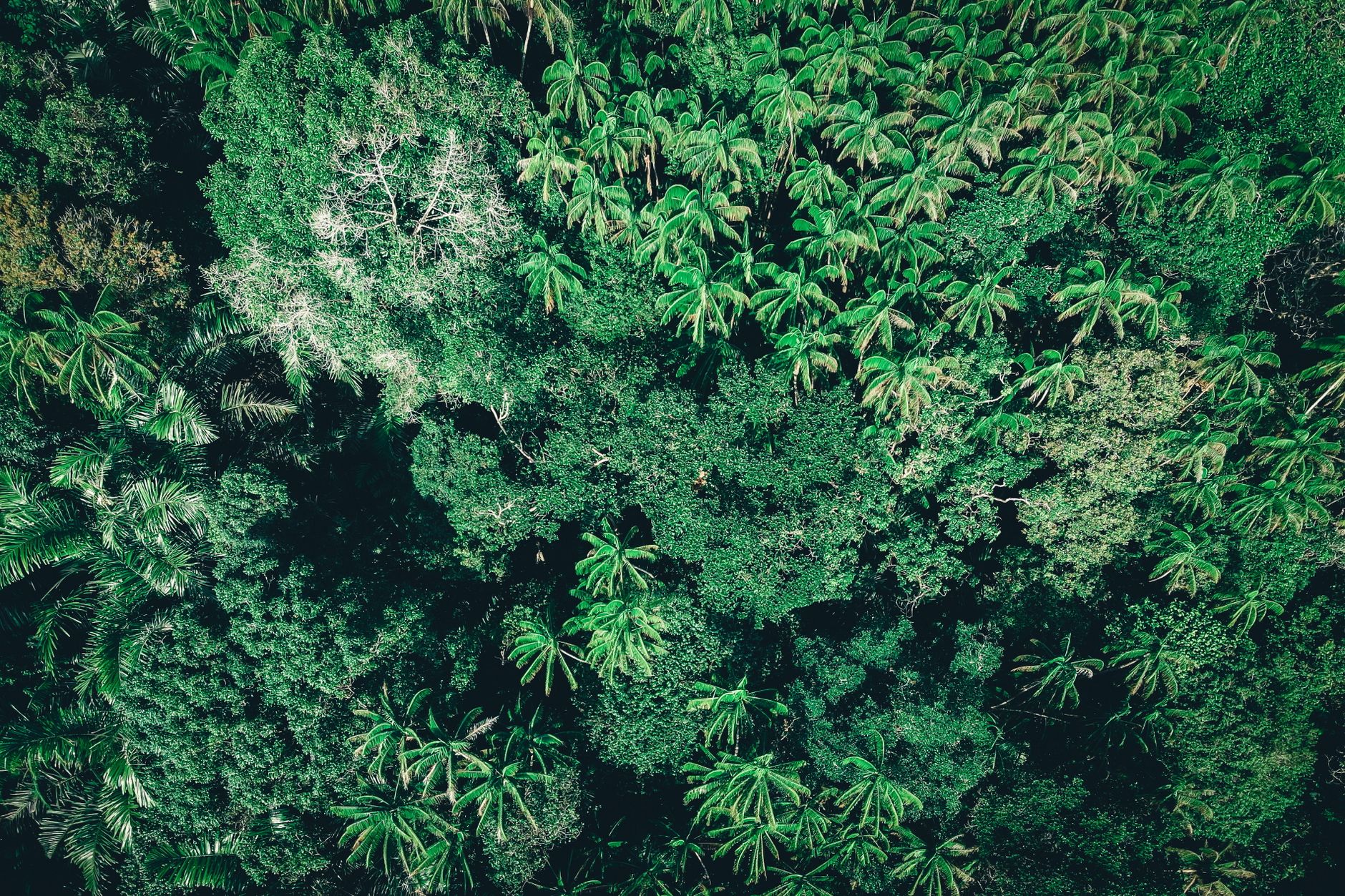
Penang Hill, accessed via a funicular that rises 833 meters in about five minutes, offers a different kind of lesson. The view from the top is the one that ends up in brochures, but the worthwhile part of the experience is lower down, along the walking trails that branch off from the main station. A retired botanist named Renata, who has been leading informal nature walks on the hill for the better part of a decade, pointed out that most visitors miss the giant tree ferns and the wild ginger plants that grow in the gullies. “They take the train up, take a photo, take the train down,” she said. “They don’t realize the hill is a forest, not a viewpoint.” She wasn’t wrong. The trails are poorly marked and the humidity can be punishing, but the payoff is a version of the island that has nothing to do with its famous food or street art — just the sound of cicadas and the occasional glimpse of a dusky leaf monkey moving through the canopy. You forget about the time.
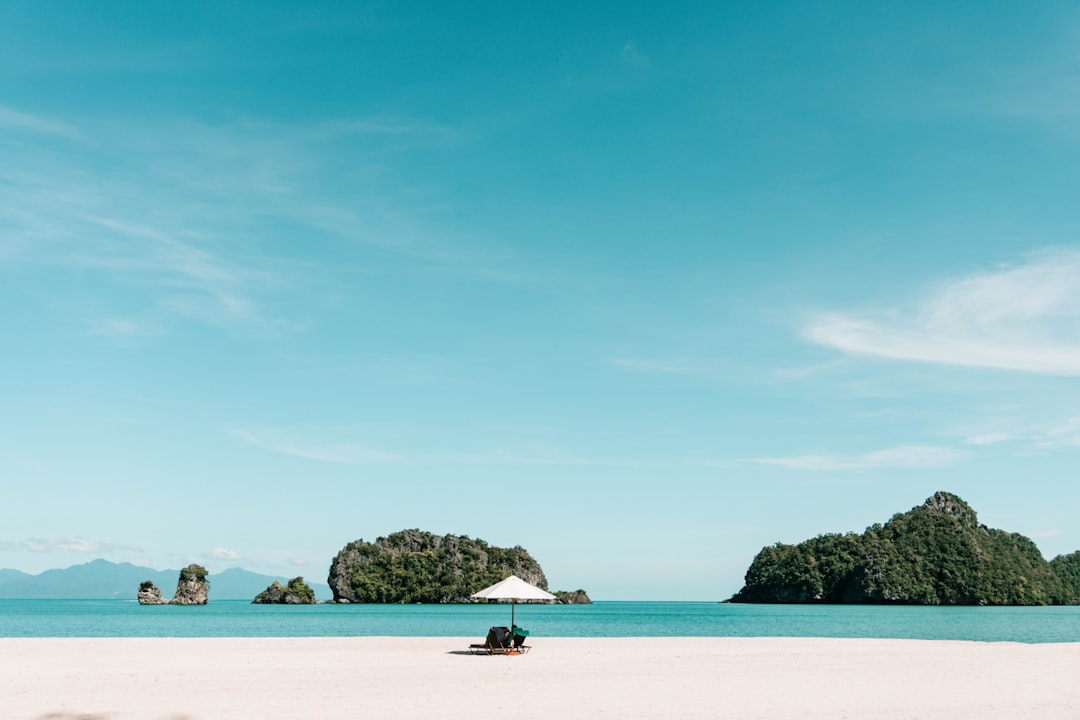
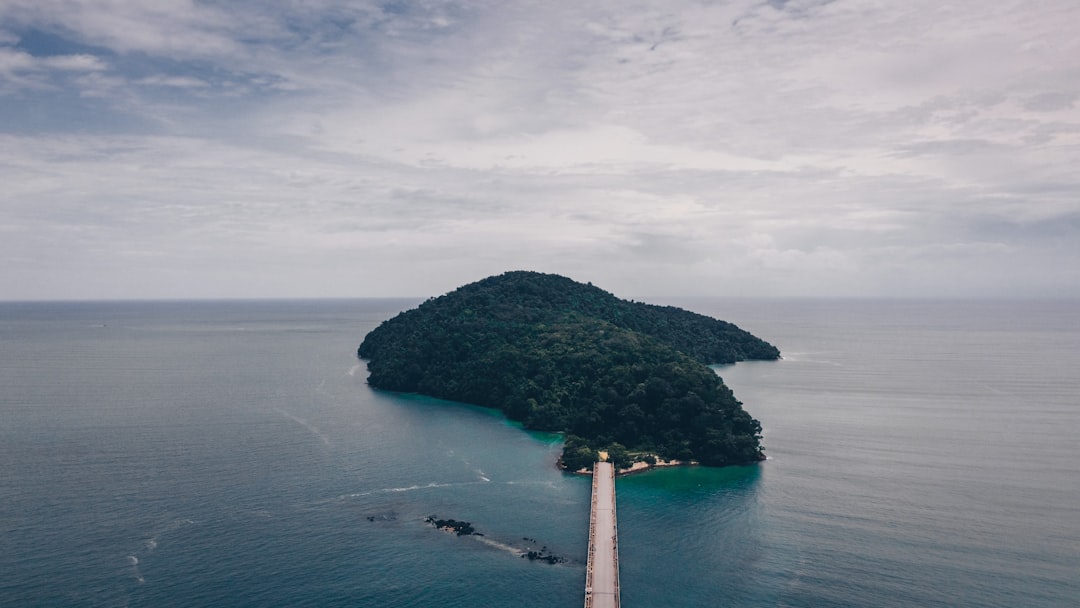
Day five begins with a ferry. The crossing from Penang to Langkawi takes about three hours, and the ketchup-and-mustard colored ferries of the Langkawi Ferry Service are not designed for comfort. The air conditioning works inconsistently, the seats recline by degrees that don’t quite help, and the onboard television plays Malaysian action films that nobody watches. But the journey itself is the point: the archipelago of smaller islands that appears off the port side, the fishing boats that seem to appear from nowhere, the moment when Langkawi’s mountainous spine emerges from the haze like something from a seafarer’s notebook.
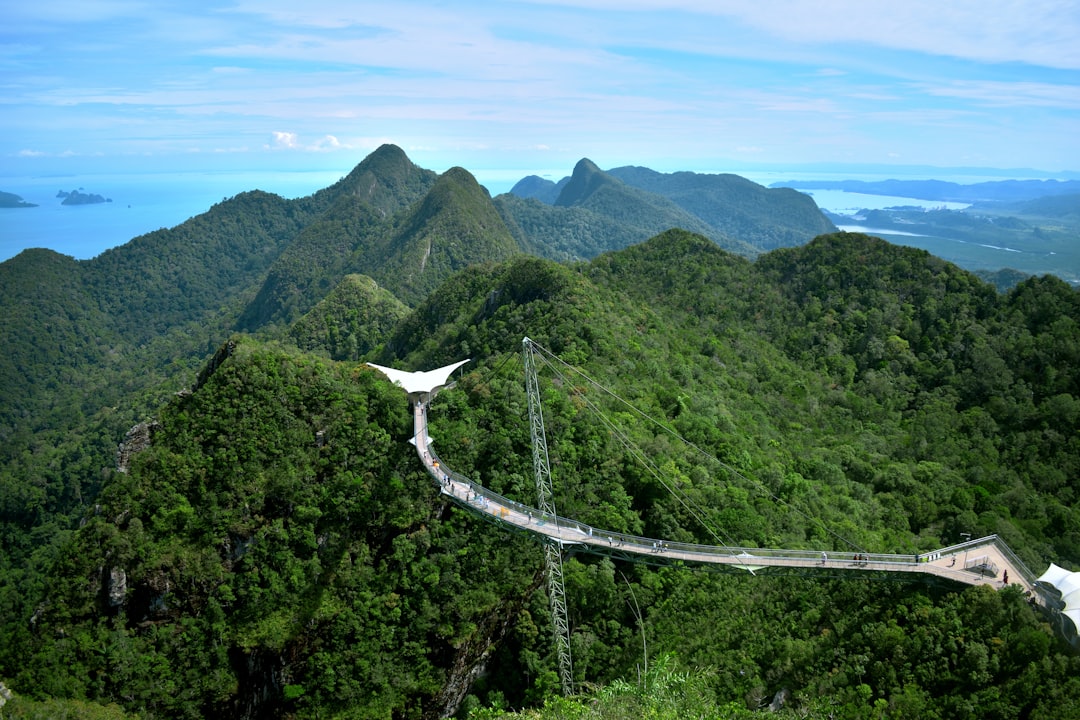
Langkawi’s cable car, which climbs to the peak of Gunung Mat Chinchang, is the kind of attraction that comes with a warning label and a crowd management system. The wait at peak times can push past two hours. The trick is to arrive in the late afternoon, when the morning tour groups have retreated and the queue shortens. The Sky Bridge, a curved pedestrian suspension bridge that arcs out from the mountain’s summit, is less thrilling than the cable car ride itself — the views are similar, and the bridge sways noticeably when the wind picks up — but there’s something about standing on a structure that seems to defy basic physics that justifies the effort. A security guard stationed at the entrance, who gave his name only as Mr Chong, noted that the bridge is at its best just before sunset. “The wind comes up, the light goes gold, and suddenly everyone stops taking selfies and just looks — or something like that.” He said it like it was a rare occurrence, which it probably is.
Alor Setar, the state capital of Kedah, is often treated as a pass-through on the way to somewhere else. The town’s royal associations — it’s the birthplace of the current Yang di-Pertuan Agong — and its position as the center of Malaysia’s rice-growing region should give it more weight on a traveler’s map than it usually receives. The Kedah State Museum, housed in a former palace, is the kind of institution that rewards patience: the displays are dated, the labeling inconsistent, and the air conditioning barely copes with the afternoon heat, but the collection of royal regalia and traditional weapons is unexpectedly compelling. A docent, an older woman named Zainab, offered a quiet correction to the assumption that the museum is a minor stop. “People come in, walk around for ten minutes, leave. But if you read the descriptions — really read them — you’ll understand why Kedah is called the rice bowl of Malaysia. It isn’t just agriculture. It’s history.” She was right about the reading. The descriptions are dense and occasionally translated awkwardly into English, but they tell a story of a sultanate that predates the Melaka empire by centuries.
Across the paddy fields outside Alor Setar, the green stretches to the horizon in a way that feels almost deliberate. Driving through them in a campervan, with the windows down and the smell of damp earth and fertilizer filling the cabin, is a reminder that Malaysia’s peninsula is not just a series of tourist destinations connected by highways. There are villages here where life runs on a different schedule — where the morning market is the main event of the day and the afternoon heat is met with naps and sweet coffee. A small roadside stall selling nasi lemak bungkus — rice wrapped in banana leaf with sambal, anchovies, and a hard-boiled egg — was the kind of find that makes a pre-planned itinerary feel like an inconvenience. The woman running it, who didn’t speak English but communicated through gestures and smiles, bundled the packets with an efficiency that suggested decades of practice. The sambal was hotter than expected, and the banana leaf added a fragrance that no takeaway container could replicate.
Day seven brings the coastal drive from Alor Setar to Kuala Terengganu. The road hugs the coast for much of the way, passing through fishing villages and coconut groves. The reality is less picturesque — the road is narrow in places, the traffic unpredictable, and the heat relentless — but the rhythm of the drive has its own appeal. The East Coast beats to a tempo that’s noticeably slower than the West. The towns are smaller, the tourists fewer, and the food more dependent on the morning’s catch. A stop in the town of Jerteh for a bowl of nasi dagang — a Terengganu specialty of steamed glutinous rice with fish curry and pickled vegetables — confirmed something that had been building over the previous days: the best meals on this trip were neither in the guidebooks nor the restaurants with starred reviews, but in the unmarked places where the owner recognizes a stranger and still treats them like a guest.
Kuala Terengganu’s Central Market, or Pasar Payang, is the kind of place that demands a strategy. The ground floor is a whirlwind of dried fish, spices, and textiles; the upper floor is dedicated to batik and songket, sold by vendors who have perfected the art of the noncommittal price. A fabric seller, a younger woman who introduced herself as Ingrid, explained that the initial price is always negotiable but not by as much as most tourists think. “They hear ‘murah’ and expect to cut the price in half,” she said, sorting through bolts of hand-painted batik. “But the people selling here are not rich. They are just trying to make a living. If you ask for a fair price — politely — you will get one.” She quoted a figure for a batik sarong that was higher than what a vendor a few stalls away had offered, but the quality was visibly better — the dye more even, the pattern more intricate. Sometimes, paying enough extra is the smarter choice.
The campervan, by this point, had accumulated a layer of dust and the faint smell of durian from a forgotten purchase in Penang. The galley had proven enough for simple meals, the folding chairs had been deployed at scenic pull-offs that weren’t always scenic, and the air conditioning had been pushed to its limits more than once. A campervan trip through the peninsula’s midsection isn’t about luxury. It’s about the freedom to stop at a paddy field because the light looks interesting, or to extend a coffee break in a small town because the breeze is right. The itinerary that started in Ipoh, passed through George Town’s labyrinthine streets and Langkawi’s high-altitude views, paused in Alor Setar’s paddy plains, and ended at Kuala Terengganu’s waterfront — that itinerary is a suggestion, not a contract. The best version of it is the one that gets altered without apology.

📷 Photos: Simon Wiedensohler (Unsplash), Steve Douglas (Unsplash)