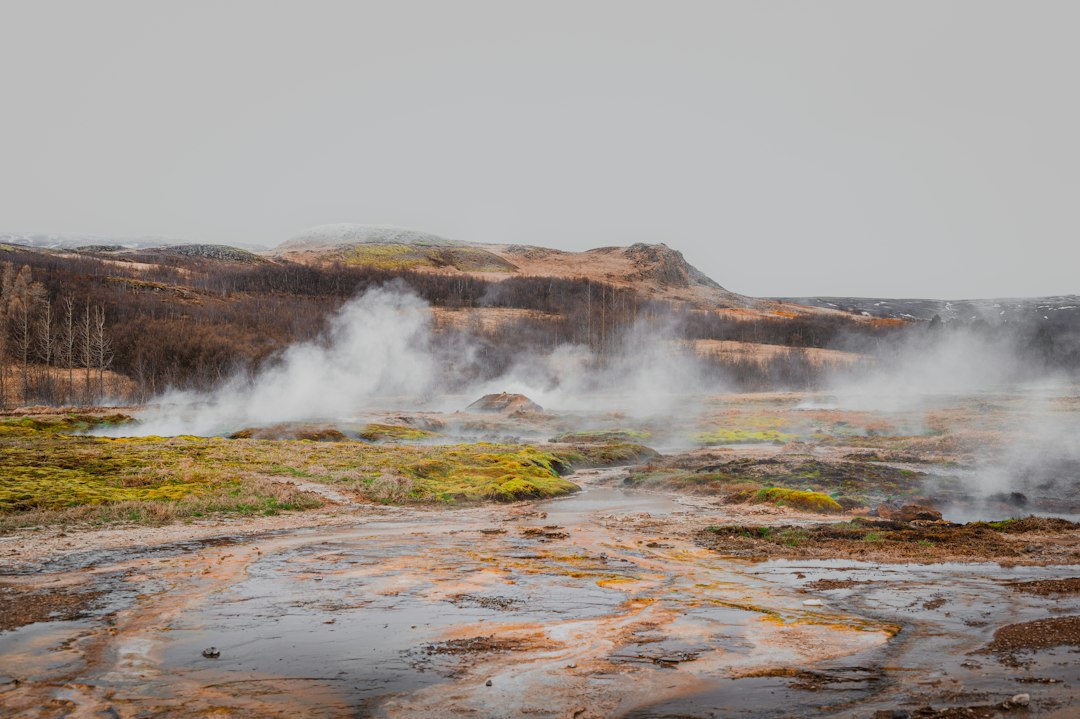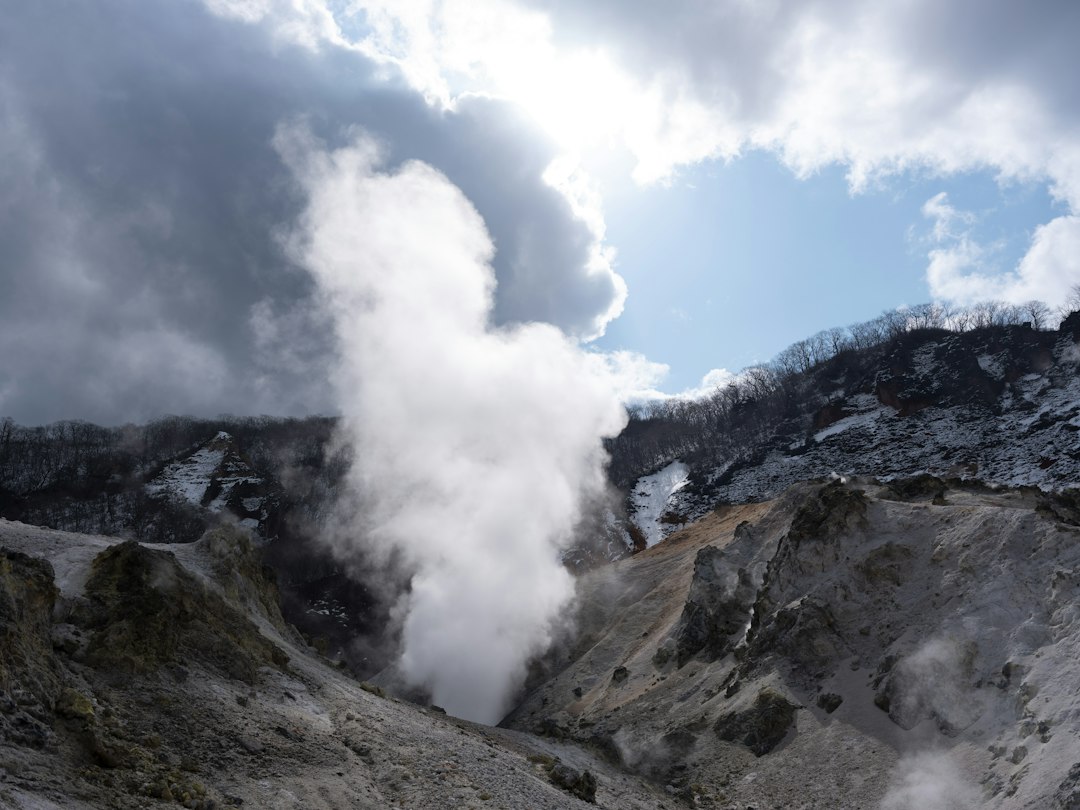
The smell reaches the windscreen before the town does. Sulphur, yes, but also something wetter and older than that, like the air over a drained swimming pool crossed with a struck match. I’d been warned about Rotorua and still wasn’t ready for it — how the whole place announces itself through your nose, how the odour seeps into the curtains of a parked campervan and stays there for the rest of the afternoon. It is not, frankly, a pleasant smell. By the second hour I had stopped noticing it, which worried me slightly more than the smell itself.
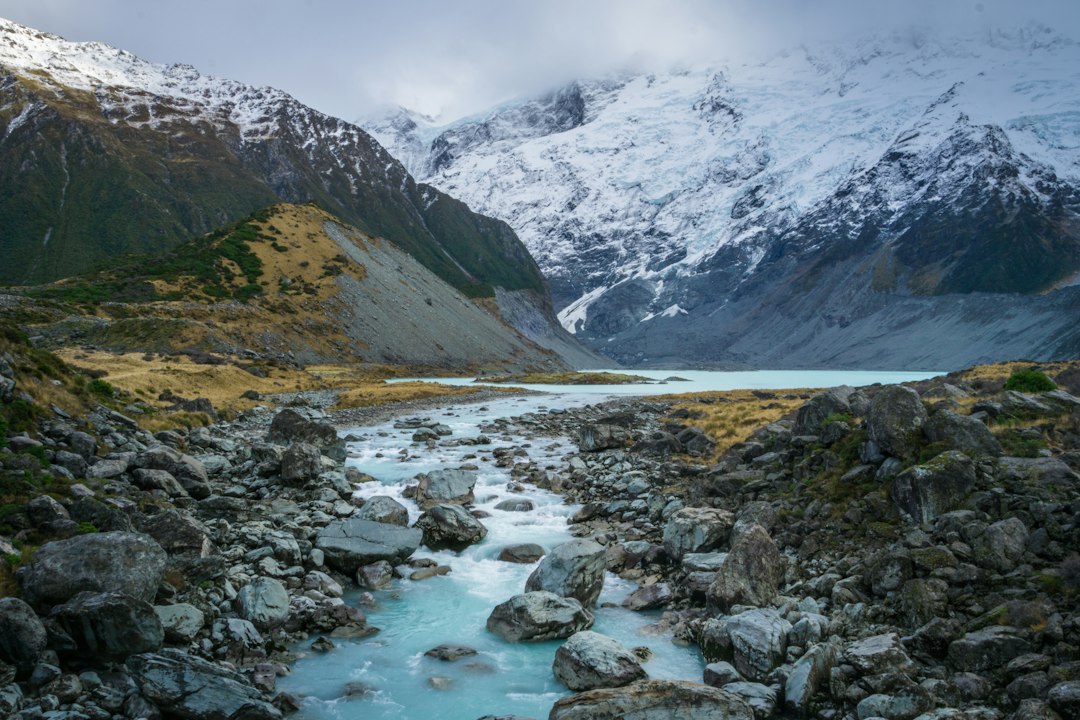
The drive up from Te Anau had taken the better part of two days, and the transition is what stays with me. I spent the South Island among greywacke and tussock, snow still lying in the shade of the Lindis Pass well into the season, and then somewhere around the central plateau the land turned to steam. Day eleven, I woke with the handbrake down in Rotorua. Stepped out of the van to find a crust of pale mineral deposit on the ground beside the rear wheel.
I gave the geothermal parks a full morning and the Maori side of the town an afternoon, which turned out to be the right split. Whakarewarewa has this quality of being both a living village and a thermal attraction at once — people actually live and cook there, which is the part the brochures tend to skate over, and the guide walked past a hangi pit and a boiling pool in the same ten minutes — so the whole thing felt less like a museum than a working backyard. Parts of the walk smell of rotten eggs. That is part of the deal. You pay roughly the price of a decent lunch for the entry, and you leave understanding that nobody here pretends the smell is a fault to be scrubbed away.
What I hadn’t expected was how much the hot pools would split the audience. There is the slick commercial spa end of town, with towel hire and a locker fee and a queue, and then there is the municipal pool where a family pays a few dollars each for the same water, and the water is the same temperature, and nobody is selling you a mud mask. I tried both across the day. The expensive one was quiet and clean and I fell asleep in it. The cheap one was loud and the tiles were rough and I liked it more.
Taupo the next morning was all lake and wind. The Great Lake doesn’t feel like a lake at all — it behaves like an inland sea, with real waves breaking on the shingle and the far shore vanishing into haze. I parked near the outlet at Huka Falls and walked down to watch the water compress through that choke of rock, the colour a milky aquamarine that looks almost fake in photographs and is, if anything, more convincing in person. The sound is the thing I’ll keep: not a roar exactly, more a huge and continuous hiss, so loud that a couple standing beside me had to shout to be heard.
Trout is the local religion. I met Ravi, who sells tackle out of a small shop near the river and has fished the lake for the better part of two decades, and asked him what a beginner should actually do. “You can have all the gear in the world,” he said, “and the fish still won’t talk to you. But if you get out on the water early with a guide who knows the spots, you’ll catch something — nine times out of ten, first morning, or something close to it.” The “nine times out of ten” came with a shrug that suggested he’d said it many times before. I didn’t charter a boat, but I did stand on the shore for a good while watching a man in waders cast in slow, patient arcs, and I understood the appeal of the staring as much as the catching.
Rotorua’s smell is nothing next to the cave. At Waitomo the air turns to something cold, mineral and unmistakably damp, with a faint organic note like a cellar that’s been closed up for years. I’d signed up for the black water rafting, which involved a wetsuit, a helmet with a lamp, a rubber inner tube, and a fair amount of waddling through a stream in near-darkness. The glowworms, when the group stopped and switched the lamps off, hung overhead in faint constellations of blue-green — not bright, almost shy, like the last embers of something. The guide had everyone float on their backs, and the roof of the cave became a sky. I’d seen the photographs. They don’t prepare you for the stillness, or the sound of a dozen people breathing carefully so as not to disturb it.
The rural camp afterwards was the least glamorous night of the trip and possibly the best. The van parked on grass that was wet enough to leave a mark on my shoes, the kitchen block lit by one flickering fluorescent tube, and a hot shower that ran out of pressure where I was standing. I ate instant noodles at a picnic table while a pair of pukeko picked through the grass and a farmer’s dog came by to check on me. Somewhere down the road a river ran.
By the time I turned the van toward Auckland the next day, the road had flattened out and the traffic had thickened, and the city arrived in layers — first the green hills, then the sprawl, then the harbour bridge threading traffic across the water. The drop-off was brisk and procedural: a quick walkaround of the van, a signature, a handshake, and then I was standing on the pavement with a pack on my back and no vehicle attached to it. Somewhere behind me the whole run was already receding — the alpine cold, the steam, the cave roof full of blue light — and the pavement was just pavement.
What I’d tell anyone planning the same run: budget more time than you think for Waitomo, because the caves don’t rush and the roads between them are slow, and don’t skip the cheap hot pools in Rotorua just because a glossy brochure is trying to sell you the other one. And carry clothes you don’t mind smelling faintly of sulphur for a few days afterwards. My jacket still does. I haven’t washed it.

📷 Photos: Danny Postma (Unsplash), JinHui CHEN (Unsplash)