Why the Forgotten Gravel Roads of the North Island Are a Campervan’s Best-Kept Secret
You’ve driven State Highway 1. You’ve queued for the photo at the Hobbiton sign. You’ve watched the same roaming-herds-of-sheep Instagram reel a dozen times. But there is a New Zealand you haven’t met—one that exists not on the sealed asphalt of tourist brochures but on the loose metal and pumice of the North Island’s backcountry gravel roads. These are the routes that don’t get a place in the rental company’s suggested itineraries, the ones that require a steady hand on the wheel and a willingness to lose cell reception for hours at a stretch. And if you’re in a campervan—especially a self-contained one that lets you pull over anywhere the view demands it—these forgotten roads are your ticket to something far richer than another lakeside carpark. They lead to abandoned gold-mining huts, ghost towns that never made the guidebooks, and landscapes that feel as untouched as they did when the first prospectors arrived in the 1860s.
The secret most coverage misses is this: the gold rush didn’t end in the Coromandel. It just went quiet. While everyone queues for the Hot Water Beach, the real relics of the 19th-century boom are scattered across the central and eastern North Island, accessible only by gravel routes that most rental vans are advised to avoid. But your campervan—if you’ve chosen wisely, with high clearance and a bit of grit—is exactly the vehicle for the job. These roads aren’t technical four-wheel-drive tracks; they’re simply roads that the Department of Conservation doesn’t bother sealing because hardly anyone uses them. And that’s precisely why you should.
Tire Pressure and a Paper Map
Before you point your wheels toward the metalled unknowns, take a moment to set yourself up properly. The gravel roads of the North Island’s backcountry demand a few adjustments from your typical highway cruising.
First, tire pressure. Drop your campervan’s tires to around 30-32 psi on gravel—it gives you better traction on loose surfaces and a more forgiving ride over corrugations. Your van’s manual likely suggests standard pressures for sealed roads, but seasoned backcountry travelers know that a few pounds less makes all the difference when you’re rattling over pumice and river stones.
Second, water and fuel. You’ll pass through small towns like Raetihi, Ohakune, and Ngongotaha, but once you’re on the backcountry gravel, petrol stations can be eighty kilometers apart. Fill your tank whenever you see a pump, and carry at least five liters of extra drinking water per person per day. Your campervan’s freshwater tank is enough for washing and cooking, but you’ll want separate bottles for drinking when you’re parked twenty kilometers from the nearest tap.
Third, your phone and a paper map. Cell coverage on these roads is patchy at best. Download offline maps on your phone, but also buy a proper topographic map from a DOC office or outdoor store—the kind that shows every creek, every hut, every walking track. When you’re trying to find a gold-mining site that isn’t marked on Google, a paper map with grid references is your most valuable tool.
Waitahanui and the Historic Timber Mills
Just south of Lake Taupo, the gravel road that branches off State Highway 1 toward the Waitahanui River is one of those routes that feels like a secret handshake. You’ll follow it for about twelve kilometers, the sealed surface giving way to loose grey chips, then to a dirt track that winds through dense stands of native bush. The river here runs fast and clear over volcanic rock, and you’ll find the first of the abandoned mining huts tucked into a clearing near the bank.
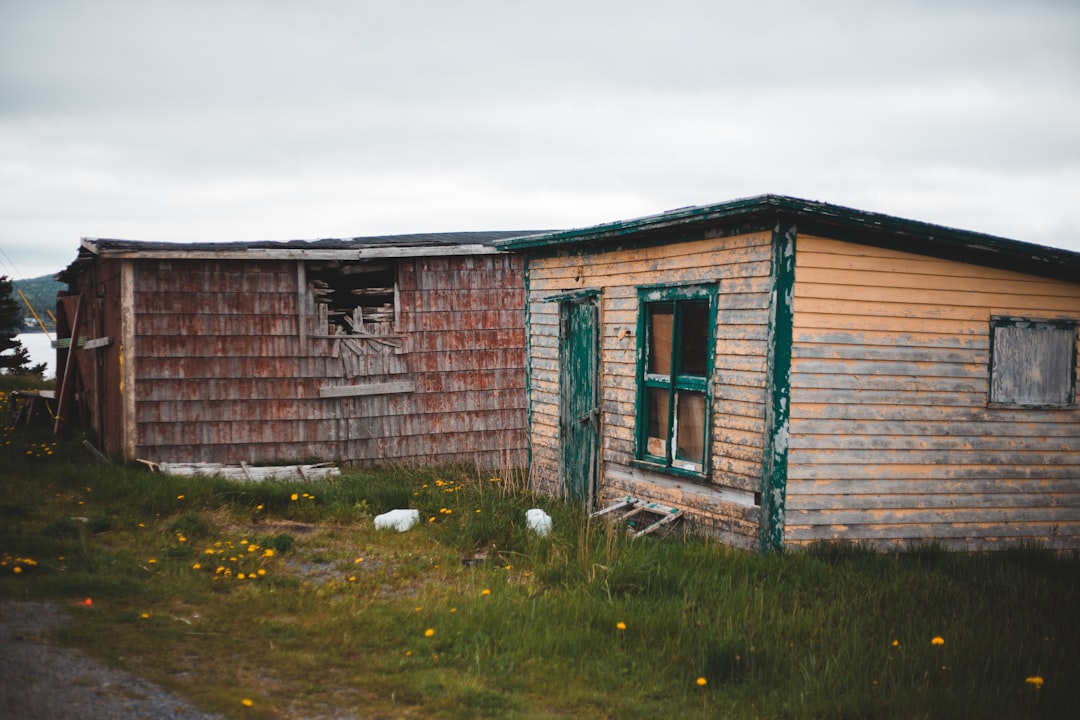
These aren’t the tourist-facing huts that DOC maintains for trampers. These are the real thing: corrugated iron roofs rusted to a warm ochre, wooden walls sagging under decades of weather, doorways that open onto earthen floors scattered with the detritus of another century—rusted horseshoes, fragments of ceramic, the occasional square nail. The gold rush in this area was short-lived, petering out by the 1870s, but the huts remain because no one ever bothered to remove them. You can park your campervan within fifty meters of the main hut, cook dinner on your portable stove as the light fades, and listen to the river and the birds and absolutely nothing else.
The Silvertown Track, Coromandel Peninsula
The Coromandel gets the crowds, but the Silvertown Track doesn’t. This is a gravel road that starts about fifteen kilometers north of Thames, climbing steeply into the forested hills that were the epicenter of the 1860s gold rush. The road is narrow, single-lane in places, with blind corners that demand a toot of your horn and a cautious crawl. But the reward is worth the white-knuckle moments.
At the end of the road, a short walking track leads to the remains of Silvertown—a mining settlement that once housed somewhere around three hundred people, maybe more. Today, all that’s left are a handful of huts, their corrugated iron walls peeling back to reveal the hand-sawn timber frames beneath. One hut still has its original fireplace, the bricks blackened with soot from a century and a half of fires. Another has a rusted bedframe, the springs collapsed onto the floor, as if the last occupant simply walked away and never returned. The atmosphere is uncanny, heavy with silence. You can camp in your van at the trailhead carpark—a flat, grassy spot that fits two or three vehicles comfortably—and walk in at dawn when the mist hangs between the trees and the gold-mining past feels almost tangible.
Maungaharuru Range, Hawke’s Bay
Most people drive through Hawke’s Bay for the wine, and that’s a fine thing to do. But if you turn off the main highway at the little town of Tutira and follow the gravel road that climbs into the Maungaharuru Range, you’ll find yourself in a landscape that feels like another country. The road is twenty kilometers of loose metal, winding through sheep stations and native forest, with views that open suddenly onto the Pacific Ocean far below.
The gold mining here was never big—just a few small operations in the 1880s—but the huts that remain are some of the best-preserved in the North Island. The most remarkable is a two-room hut set into a hillside, sheltered from the prevailing winds by a natural rock overhang. Its roof is intact, and the interior still holds a wooden table, a rusted stove, and a collection of glass bottles that have turned amethyst from decades of UV exposure. Park your campervan on the flat ground beside the hut—a spot that feels like your own private amphitheater overlooking the valley—and you’ll understand why the miners chose this exact location.
Kaimanawa Forest Park and the Desert Road Gravel
The Kaimanawa Ranges, sandwiched between Lake Taupo and the Desert Road, are a forgotten pocket of the North Island that most travelers speed past. But the gravel roads that thread through this forest park—particularly the road that follows the Rangitikei River headwaters—lead to a series of mining huts that date back to the 1870s.
These huts are smaller, rougher, and harder to find. You’ll need your paper map and a willingness to navigate by creek crossings and fallen trees. But the reward is a kind of solitude that’s almost extinct in modern New Zealand. One hut, perched on a river terrace about ten kilometers up the gravel track, has no markings on any DOC map—it appears to have been forgotten by everyone except the occasional hunter or tramper. Its roof is half-collapsed, but the walls stand firm, and you can crawl inside to find a hearth made of river stones and a floor of compacted earth. The river beside it is cold and clear, enough for a swim after a sweaty afternoon of exploring. Park your campervan on the gravel bar by the water, and you’ll have the entire valley to yourself—no light pollution, no sound but the river and the wind in the beech trees.
Speed and Dust: The Real Rules of Gravel Driving
The common advice you’ll read online is to avoid gravel roads in a campervan. That advice comes from rental companies who don’t want to pay for paint chips and rattled fittings. But the truth is, with a few sensible precautions, a campervan is ideal for these routes. You have your own bed, your own kitchen, your own shelter—you’re not dependent on finding a motel in a town that may not have one. You can pull over anywhere the view takes you, cook dinner with the van door open to a valley that hasn’t changed in a century, and wake up to a sunrise that belongs only to you.
The key is speed. On gravel, fifteen kilometers per hour is plenty. Any faster and you’ll slide in corners, rattle your fittings loose, and kick up a plume of dust that will coat everything inside your van. Take it slow, and the journey becomes meditative. You’ll notice the changing texture of the road surface, the way the trees lean in, the sudden splash of a tui crossing your path. You’ll stop for map checks, for photos, for the simple pleasure of standing in the middle of an empty road and listening to nothing.
A Folding Chair and a Small Trowel
Beyond the obvious—sturdy boots, rain jacket, sleeping bag—there are a few items that will transform your experience on these forgotten roads. Pack a headlamp for exploring hut interiors in the dim light of late afternoon. Bring a folding chair—the kind that packs flat—so you can sit outside your van in the evening. Carry a portable charger for your phone, because you won’t find a power outlet anywhere near these huts. And don’t forget a small trowel and biodegradable toilet paper: your campervan’s toilet is fine for daytime stops, but when you’re parked beside a river, you’ll want the option of a discreet bush loo.
Most of all, bring a sense of adventure. These roads don’t offer the polished comfort of a holiday park. They offer something rarer: a direct connection to New Zealand’s gold-mining history, experienced not through a museum display case but through the actual walls and hearths and river stones that the miners left behind. You’ll return from a trip like this with more than photographs. You’ll return with the memory of a night spent in a valley where the only light was your campfire and the only sound was the river, and with the satisfying certainty that you’ve seen a version of New Zealand that most travelers never will.

📷 Photos: Erik Mclean (Unsplash), Pavol Svantner (Unsplash)