How to Hike the Otira Gorge Tramline Without Making the Same Mistakes I Did
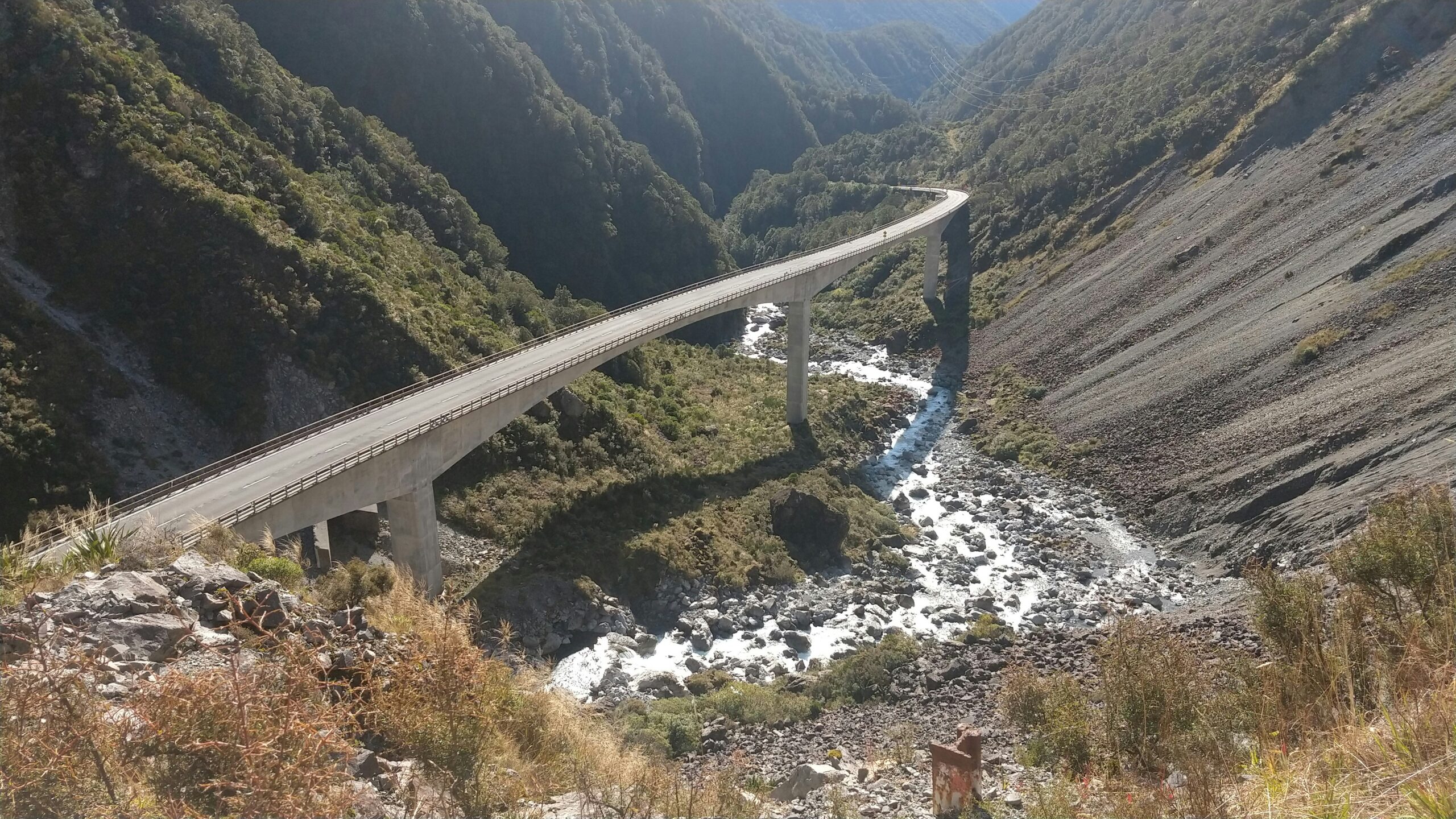
It’s cliché: an abandoned tramline threading through a gorge so narrow the cliffs seem to lean in, tunnels dark and dripping, a ghost town at the end that looks like it was abandoned mid-breath. The Otira Gorge tramline promises exactly that kind of raw, derelict beauty — a hike through New Zealand’s most dramatic alpine pass, following the bones of an old railway that once connected the West Coast to Canterbury. You imagine a day of adventurous solitude, some moody tunnel shots, and a story to tell over drinks.
What you don’t imagine is the rockfall that blocks the track, the ankle-deep mud that turns your planned three-hour walk into a six-hour slog, or the moment you realize the ghost town’s most interesting structure is locked tight. Here’s the thing about tramping the Otira Gorge: it’s not a walk. It’s a negotiation. And if you don’t come prepared to negotiate on its terms, you’ll end up like the writer of this guide — a wiser, muddier, humbler version of yourself.
The Tramline That Forgets It’s Abandoned
You’ll begin at the Otira rail tunnel, a fifteen-hundred-metre-long hole blasted through granite in the 1920s. The trailhead is obvious enough — a gravel pull-off just south of the Otira township on State Highway 73. The tramline itself runs parallel to the highway for the first kilometre, then veers east into the Gorge proper. What no one tells you is that the first section is a narrow path clinging to a cliff edge with a drop into the Otira River below. It’s fine in dry conditions. In rain, the clay turns to snot, and you’ll be pressing your back to the rock wall, wondering why you didn’t bring poles.
You should start early — before nine, at the latest. The gorge funnels cold air and sudden cloud, and by early afternoon the light in the tunnels becomes a problem. You’ll rely on a headlamp, obviously, but the contrast between the bright valley outside and the absolute dark inside will have you blinking and stumbling. Start with the sun rising behind you, and you’ll have good light for the tunnels and the open sections alike.
The other thing you need to know: the tramline is not a loop. It’s a dead-end out-and-back. You walk roughly eight kilometres to the ghost town of Cass, and then you walk eight kilometres back. That doesn’t sound terrible until you’ve done the first eight, which include a section called the “Arahura Falls” where the track is essentially a rubble slide you’ll need to scramble across on all fours. You will get frustrated. You will consider turning back around kilometre five. Don’t. The good stuff is at the end.
Six Tunnels, Zero Guardrails
The tunnels are the main event. There are six of them, numbered, ranging from a hundred metres to close to a kilometre long. The first few are short — you can see the light at the other end — and the novelty of walking through a dark, hand-cut railway tunnel with water seeping through the concrete roof is genuinely thrilling. The air goes still and cold, and your footsteps echo in ways that make you feel like you’re inside a bass drum. The walls are festooned with graffiti, some of it genuinely artistic, most of it the kind of scrawled declarations you’d expect from people who walked a long way to leave their mark.
Then you hit Tunnel 4. It is long. Very long. The light at the far end shrinks to a pinprick, and about halfway through, the pinprick disappears around a bend. You will be standing in absolute pitch black, with only the sound of your own breathing and the drip-drip-drip of water somewhere ahead. Your headlamp will feel inadequate. The tunnel floor is uneven — railway sleepers, mostly rotted, mixed with loose stones and the occasional puddle that turns out to be a pool of unknown depth. You will step in one. You will curse.
The advice you need: bring a proper headlamp, not a dinky keychain light. Bring a backup. And walk carefully. The sleepers are treacherous. The rocks are loose. And there are no guardrails, no handrails, no safety net. This is the real New Zealand backcountry — unimproved, unmanaged, holding you entirely responsible for your own wellbeing. You should love that. You should also respect it.
When the Track Disappears Into a Slip
About three kilometres in, you’ll hit the section that made me wonder if I’d missed a turn. The tramline here is cut into the gorge wall, and a substantial slip has taken out about thirty metres of track. The trail simply ends in a pile of scree, and below you is the river, and above you is more scree. The correct route is to scramble up and over the slip, following cairns that locals have placed. The cairns are small. The slip is loose. The drop is real.
You’ll need to use your hands. You’ll need to test each rock before committing your weight. If you have a fear of heights or a tendency toward vertigo, this section will demand your full concentration. It’s not technical climbing — it’s class 2, maybe class 2+ scrambling — but it’s exposed, and your pack will throw off your balance. Take it slow. The reward, once you’re past it, is a stretch of tramline that clings to the gorge wall like a vine, delivering you into a valley that opens up like a sigh.
The Ghost Town of Cass — What You Actually Find
Cass is not a town. It’s a collection of buildings that once served the railway: a station, a few houses, a water tank, and a goods shed. The station is the main attraction, a handsome wooden building with a corrugated iron roof and a platform overlooking the river. You’ll see photos online of people standing on the platform, pretending they’re waiting for a train that hasn’t come in ninety years. The station is locked. You cannot go inside. The windows are grimy, and you’ll press your face to the glass and see a waiting room frozen in dust, old signs and benches and a wood stove that looks like it was used last week.
The frustration is real. You walked eight kilometres through tunnels and over slips to reach this, and the most interesting building is sealed. But the real treasure is the setting. The valley opens out at Cass, with the river broad and braided, and the mountains rising in folded layers. Sit on the platform. Eat your lunch. Watch the light move across the hills. That’s the ghost town experience — not the buildings, but the quiet, the loneliness, the sense that you’re the only person for miles in any direction.
You can walk further, up the old rail formation toward the Bealey River, but the track is less maintained and the bridges are gone. Unless you’re committed to a full-day expedition, Cass is your turn-around point.
Why I Carried a Thermos and You Should Too
The Otira Gorge is one of the wettest spots in New Zealand. It rains here. A lot. The statistics are arresting — three hundred days of measurable rainfall in some years, maybe more — but the reality is more immediate. You will get wet. The question is whether you’re prepared for it.
I hiked in late February, which is summer. By New Zealand standards, it was a good day — cloudy but dry, with occasional sunbreaks. By the time I reached Cass, a fine drizzle had started. By the time I started the return hike, the drizzle had become steady rain. The tramline, which was firm on the way in, became slick. The tunnels, which were atmospheric on the way out, became spooky on the way back, with streams of water cascading from the roof and pooling on the floor. My boots, which I’d treated with waterproofing spray, were soaked within thirty minutes.
You need proper waterproof boots. You need gaiters. You need a rain jacket that actually works, not a packable shell you bought on sale. And you need to accept that you will get wet anyway. The best you can do is manage the damage: dry socks in a drybag, a change of clothes for the car, and a thermos of something hot waiting for you at the end. That thermos will be the best thing in your life when you stagger back to the car, cold and exhausted and triumphant.
What You Pack and Why It Matters
This is not a hike to do casually, in trainers with a water bottle and a sense of adventure. It’s a full-day tramp that demands respect for the terrain, the weather, and your own limits. You should bring at least two litres of water, a proper lunch, snacks, a first-aid kit, a map, a phone with offline maps downloaded, a backup power bank, and the mental fortitude to handle eight kilometres of return trail when your legs are already heavy.
The tunnels are dark. The track is rough. The ghost town is locked. But the experience of getting there — of navigating the slips, of pushing through the discomfort, of arriving at that silent valley — is the real reward. You’ll get wet. You’ll get tired. You’ll make the same mistakes I did. And you’ll do it anyway.
Photo by Derek Wenmoth on Unsplash