Introduction to New Zealand Astrophotography
Introduction to New Zealand Astrophotography
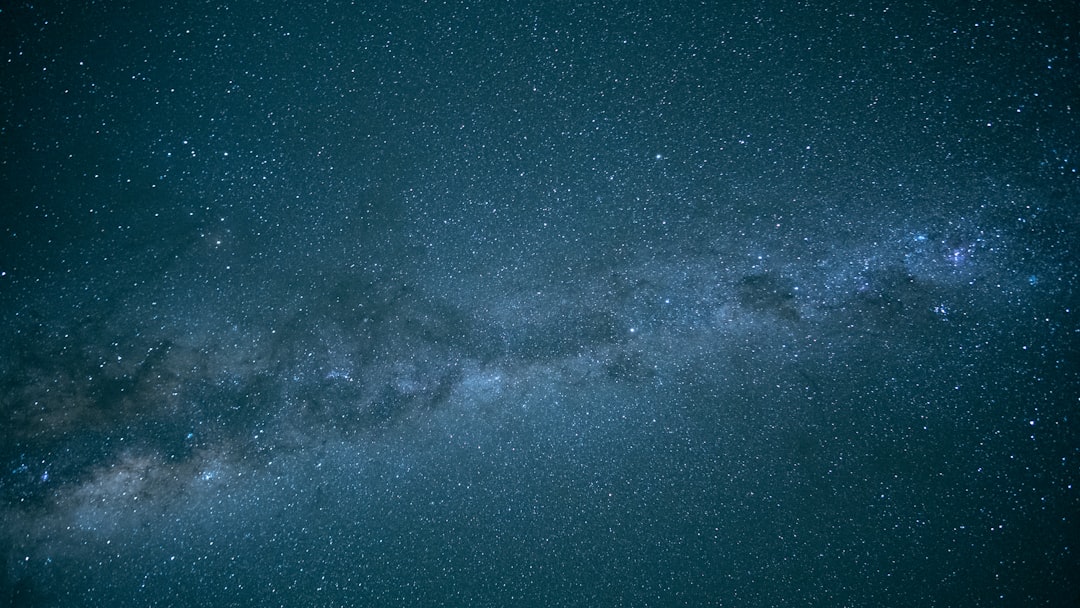
New Zealand’s Lake Tekapo is a renowned destination for astrophotography, boasting a Dark Sky Reserve that offers breathtaking views of the Milky Way. With its minimal light pollution and crystal-clear skies, this location is a paradise for photographers and stargazers alike. To capture the essence of this celestial wonder, it’s essential to understand the best camera settings and techniques for astrophotography. In this article, we’ll delve into the world of New Zealand astrophotography, exploring the best times, locations, and camera settings to help you snap stunning photos of the Milky Way.
Understanding the Dark Sky Reserve
The Lake Tekapo Dark Sky Reserve is one of the best places in the world to witness the night sky in all its glory. The reserve is protected from light pollution, ensuring that the sky remains dark and the stars shine bright. To make the most of this location, it’s crucial to visit during the best viewing times. The winter months (June to August) offer the clearest skies, while the summer months (December to February) provide warmer temperatures but slightly more cloud cover. Avoid visiting during the full moon, as it can overpower the light from the stars and reduce the overall visibility of the Milky Way.
Best Locations within the Reserve
Within the Lake Tekapo Dark Sky Reserve, there are several locations that offer stunning views of the night sky. The Mount John Observatory is a popular spot, providing panoramic views of the surrounding landscape and the sky. Another location is the Lake Tekapo Regional Park, which offers a more secluded and peaceful atmosphere. For a more unique experience, consider visiting the Cowans Hill or Mount Gerald viewpoints, which offer breathtaking views of the lake and the surrounding mountains.
Camera Settings for Astrophotography
To capture the beauty of the Milky Way, you’ll need to understand the best camera settings for astrophotography. A wide-angle lens (between 10-24mm) is essential for capturing the vast expanse of the night sky. Set your camera to manual mode and adjust the following settings:
- ISO: 1600-6400
- Aperture: f/2.8-f/4
- Shutter Speed: 20-30 seconds
These settings will allow you to capture the faint light of the stars while minimizing noise and camera shake.
Additional Tips and Techniques
In addition to the right camera settings, there are several techniques you can use to enhance your astrophotography experience. Shoot in RAW to capture more image data and allow for better post-processing. Use a tripod to stabilize your camera and prevent camera shake. Focus on a bright star to ensure that your camera is focused correctly. Finally, take multiple shots and stack them later to reduce noise and create a more detailed image.
Post-Processing and Editing
Once you’ve captured your photos, it’s time to edit and enhance them. Adobe Lightroom and Photoshop are popular choices for astrophotography editing, offering a range of tools and features to help you adjust the brightness, contrast, and color balance of your images. StarStax is another useful tool for stacking multiple images and reducing noise. When editing, be careful not to over-process your images, as this can introduce unwanted artifacts and reduce the overall quality of the photo.
Insider’s Take
As someone who has spent countless nights capturing the beauty of the Milky Way, I can attest to the fact that Lake Tekapo is one of the most incredible destinations for astrophotography. My personal favorite time to visit is during the winter months, when the skies are at their clearest and the stars shine brightest. If you’re planning a trip to Lake Tekapo, I highly recommend taking a guided tour or workshop to learn more about the best locations, camera settings, and techniques for capturing the night sky. With the right knowledge and equipment, you’ll be able to snap stunning photos of the Milky Way that will leave you in awe of the beauty and wonder of the universe.
📷 Photos: Shashank B (Unsplash)