Introduction to Japan Rail Pass Optimization
Introduction to Japan Rail Pass Optimization
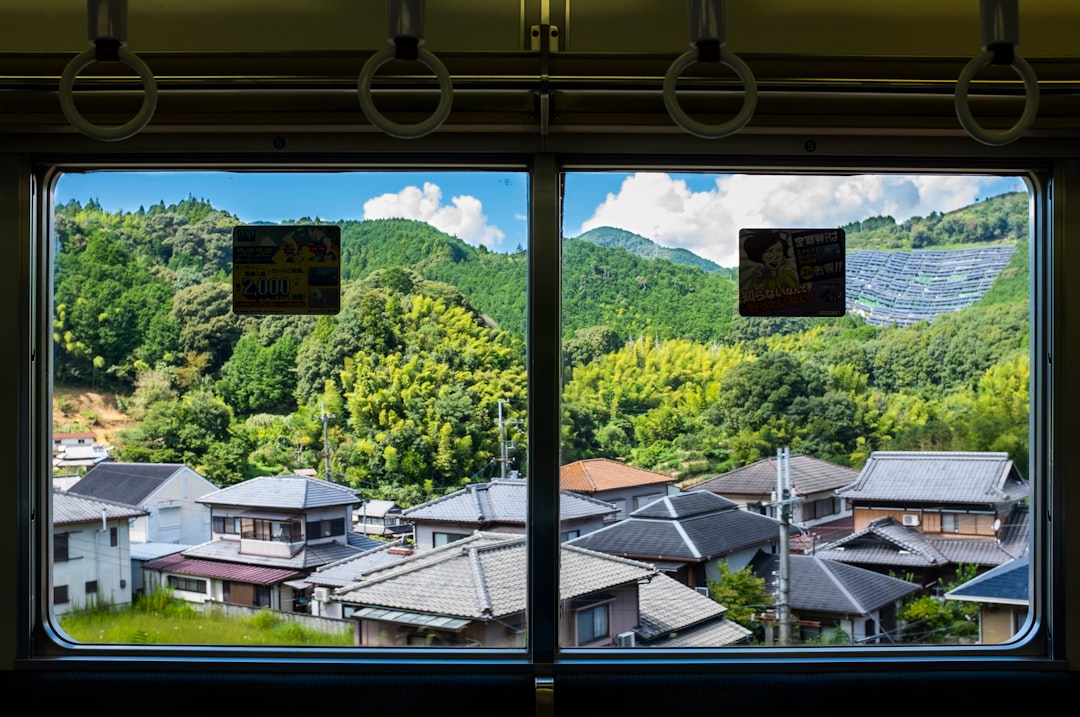
The Japan Rail Pass is a cost-effective way for photographers to explore Japan, with its extensive network of trains and scenic routes. To maximize window seat opportunities, it’s essential to understand the different types of trains and their seating arrangements. The Japan Rail Pass covers the majority of JR trains, including the popular Shinkansen bullet trains, which offer stunning views of the Japanese countryside. By optimizing your pass, you can make the most of your time in Japan and capture breathtaking photos from the comfort of your seat.
When planning your trip, consider the peak travel seasons in Japan, which typically occur during cherry blossom season (March-May) and autumn foliage (September-November). These periods offer spectacular photo opportunities, but also attract large crowds. To avoid the crowds, consider traveling during the shoulder season (June-August or December-February), when the weather is still pleasant and the scenery is less crowded. Related keywords: Japan train travel, train photography, Japan rail pass.
Understanding Train Types and Seating
Japan has an extensive network of trains, each with its unique characteristics and seating arrangements. The Shinkansen bullet trains are the fastest and most convenient way to travel long distances, with some trains reaching speeds of up to 320 km/h. These trains typically have reserved seating and non-reserved seating cars, with the latter offering more flexibility in terms of seat selection. For photographers, the Green Car (first class) seats on the Shinkansen trains offer more legroom and larger windows, providing an ideal vantage point for capturing stunning scenery.
In addition to the Shinkansen, Japan has a network of limited express trains and local trains that offer more frequent stops and a more intimate look at rural Japan. These trains often have open seating arrangements, allowing passengers to move freely and find the best vantage points for photography. When traveling on these trains, consider sitting in the front row or near the doors for unobstructed views and easier access to the train’s exterior.
Reserving Seats in Advance
To maximize your window seat opportunities, it’s essential to reserve your seats in advance, especially during peak travel seasons. The Japan Rail Pass allows you to reserve seats on Shinkansen and limited express trains up to one month in advance. You can make reservations at any JR train station or online through the Japan Rail Pass website. When reserving your seats, specify your preference for a window seat to ensure the best views.
When reserving seats, keep in mind that some trains have specific seating arrangements, such as the Shinkansen trains, which have 2+2 seating configurations. This means that the seats are arranged in pairs on either side of the aisle, with the window seats offering the best views. By reserving your seats in advance, you can ensure that you get the best possible vantage point for your photography.
Optimizing Your Route for Photography
Japan’s train network offers a wide range of scenic routes that are perfect for photography. One of the most popular routes is the Tokyo-Osaka route on the Shinkansen, which passes through the Japanese Alps and offers breathtaking views of Mount Fuji. Another popular route is the Kyoto-Fukuoka route on the Sanyo Shinkansen, which passes through the scenic coastal regions of western Japan.
When planning your route, consider the time of day and the direction of travel. The golden hour, just before sunrise and after sunset, offers the best light for photography, with soft, warm tones and long shadows. Traveling in the direction of the sun can also help to reduce glare and improve the overall quality of your photos. By optimizing your route and timing, you can capture stunning photos of Japan’s scenic landscapes.
Hidden Gems and Local Etiquette
Japan is home to many hidden gems and local secrets that are off the beaten path. One of the most scenic routes is the JR Hakone Tozan Line, which passes through the scenic Hakone region and offers stunning views of Mount Fuji. Another hidden gem is the JR Kushiro Shitsugen Norokko Train, which passes through the scenic Kushiro Marshland and offers a unique glimpse into rural Japan.
When traveling in Japan, it’s essential to respect local etiquette and customs. This includes removing your shoes before entering temples or homes, using chopsticks correctly when eating, and avoiding loud conversations on public transportation. By respecting local customs and etiquette, you can have a more authentic and enjoyable experience in Japan.
Insider’s Take
As a photographer, I can attest to the fact that the Japan Rail Pass is an invaluable tool for exploring Japan’s scenic landscapes. By optimizing your pass and reserving seats in advance, you can maximize your window seat opportunities and capture breathtaking photos of Japan’s stunning scenery. One of my favorite experiences was traveling on the Shinkansen from Tokyo to Osaka, with the sun rising over the Japanese Alps and casting a golden glow over the landscape. It was truly a once-in-a-lifetime experience, and one that I will always treasure. Whether you’re a seasoned photographer or just starting out, the Japan Rail Pass is an essential tool for capturing the beauty of Japan.
📷 Photos: Nuno Antunes (Unsplash)