DMZ Tour Photography Restrictions
DMZ Tour Photography Restrictions
When planning a trip to the Demilitarized Zone (DMZ) in South Korea, DMZ tour photography restrictions are essential to consider, as they can impact your ability to capture memories of this unique experience. The main keyword, DMZ tour photography, is crucial in understanding the guidelines and regulations in place. Related keywords, such as DMZ photography restrictions, camera equipment guidelines, and South Korea travel photography, will also be discussed throughout this article.
To ensure a smooth and enjoyable experience, it’s vital to research and understand the DMZ tour photography restrictions before embarking on your journey. The DMZ is a sensitive area, and as such, there are specific rules and regulations in place to maintain security and safety. For instance, tripod use is generally not allowed, as it can be perceived as a potential threat. However, monopods are often permitted, providing a more stable alternative for photographers.
Permitted Camera Equipment
Understanding the Guidelines
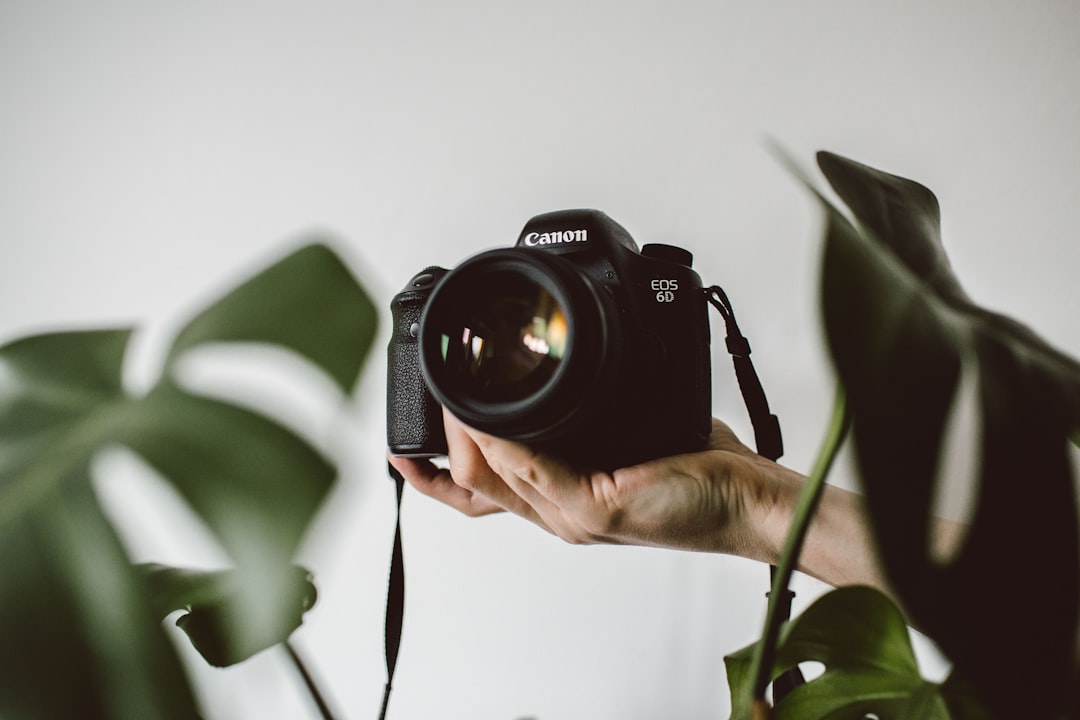
Before heading out on your DMZ tour, it’s essential to familiarize yourself with the permitted camera equipment guidelines. DSLR cameras and mirrorless cameras are generally allowed, but it’s crucial to ensure that they do not have any additional features that could be perceived as a threat, such as GPS capabilities or long lenses. Smartphone cameras are also permitted, but be aware that drone photography is strictly prohibited in the DMZ.
It’s also important to note that camera bags and equipment cases may be subject to inspection, so it’s best to pack lightly and avoid bringing any unnecessary items. Additionally, batteries and memory cards should be easily accessible, as you may be required to provide them for inspection.
Restricted Areas and Subjects
Respecting the Rules
Certain areas within the DMZ are restricted, and photography is strictly prohibited. These areas include military bases, guard towers, and border crossings. It’s also important to respect the rules and regulations regarding photography of North Korean soldiers and military equipment. Taking pictures of these subjects can be perceived as a threat or a provocation, and may result in serious consequences.
To avoid any issues, it’s best to stick to designated photography areas and follow the instructions of your tour guide. They are familiar with the rules and regulations and can provide guidance on what is and isn’t allowed. Additionally, be respectful of the local environment and wildlife, and avoid taking pictures that could be perceived as disruptive or invasive.
Best Times for Photography
Golden Hour and Beyond
The best times for photography in the DMZ are during the golden hour, which occurs shortly after sunrise and before sunset. The soft, warm light during this time can add a unique and captivating quality to your photos. However, be aware that the DMZ can be quite crowded during peak hours, so it’s best to plan your visit accordingly.
Additionally, consider visiting the DMZ during the weekdays, when it’s generally less crowded. This will provide a more peaceful and serene environment, allowing you to focus on capturing the beauty and essence of the area. If you’re looking for a more unique perspective, consider visiting during the off-season, when the weather is cooler and the crowds are smaller.
Local Etiquette and Hidden Spots
Insider Knowledge
When visiting the DMZ, it’s essential to respect local etiquette and customs. Remove your hat and bow your head when visiting the Joint Security Area, as a sign of respect. Additionally, avoid taking pictures of the North Korean side from certain angles, as this can be perceived as a provocation.
For a more unique and off-the-beaten-path experience, consider visiting the Third Tunnel, which is one of the many tunnels dug by North Korea during the Korean War. This hidden spot provides a fascinating glimpse into the history and politics of the region. Another hidden gem is the Dora Observatory, which offers a stunning view of the DMZ and the North Korean countryside.
A Final Thought
As you embark on your DMZ tour and capture the unique beauty and essence of this historic area, remember to respect the rules and regulations in place. The DMZ is a sensitive and complex region, and it’s essential to approach it with sensitivity and awareness. By doing so, you’ll not only ensure a smooth and enjoyable experience but also contribute to the preservation of this unique and fascinating place. So, take a deep breath, raise your camera, and capture the essence of the DMZ – a truly unforgettable experience that will leave you with lasting memories and a newfound appreciation for the region’s complex history and politics.
📷 Photos: Lilly Rum (Unsplash)