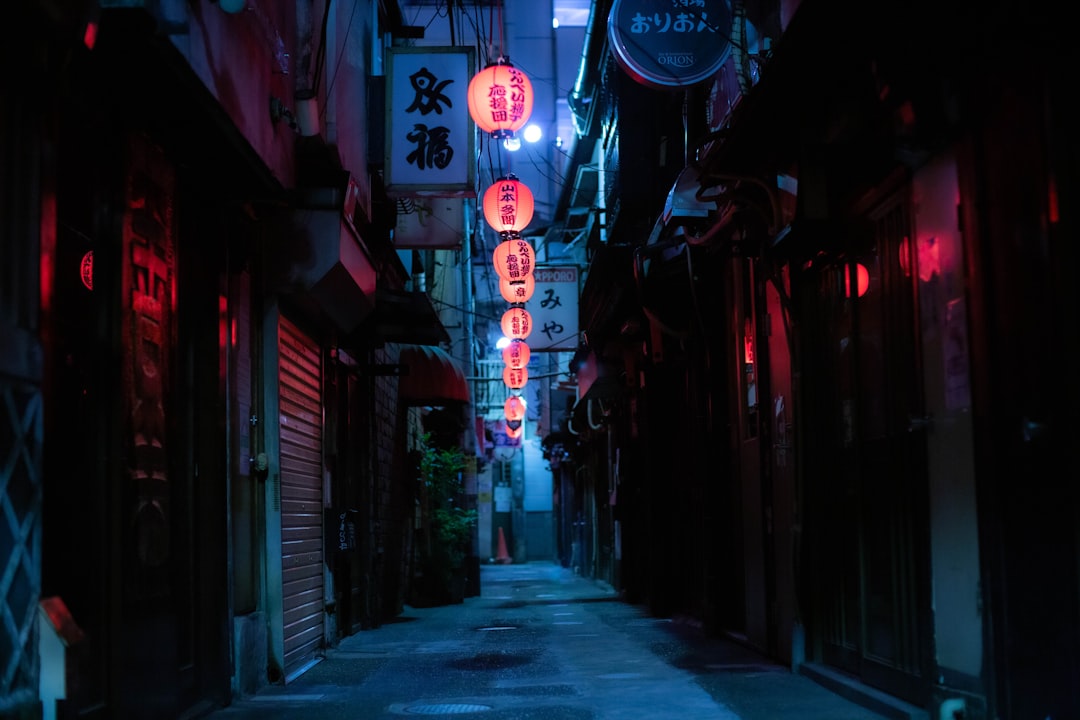
Introduction to Tokyo Neon Photography
Introduction to Tokyo Neon Photography
Tokyo’s Shinjuku and Shibuya districts are a paradise for neon photography, with neon lights illuminating the city’s vibrant streets. To capture the essence of Tokyo’s nightlife, photographers often use night camera settings without a tripod, relying on technique and camera capabilities. When shooting in Shinjuku and Shibuya, consider the best times to visit, such as late evening or early morning, when the crowds are smaller and the neon lights are more pronounced. Key related keywords for this topic include low-light photography, handheld camera techniques, and urban landscape photography.
Camera Settings for Neon Photography
To capture stunning neon photos without a tripod, use a camera with good low-light performance and adjust your settings accordingly. Start with a wide-angle lens (between 10-24mm) to capture the sprawling cityscape. Set your ISO to 1600-6400, depending on the camera’s capabilities, and use a fast shutter speed (1/125s-1/250s) to freeze the motion of passersby. A large aperture (f/2.8-f/4) will help create a shallow depth of field, separating the neon lights from the background.
Additional Tips for Handheld Shooting
When shooting handheld, it’s essential to stabilize your camera using techniques like the reciprocal rule (1/focal length = shutter speed) or by using image stabilization features. You can also use the burst mode to capture multiple shots in quick succession, increasing the chances of getting a sharp image.
Shinjuku’s Hidden Gems
Shinjuku’s Kabukicho district is a treasure trove of neon photography opportunities, with its colorful billboards and neon-lit streets. Visit the Shinjuku Isetan department store, which offers a great view of the surrounding area from its observation deck. For a unique perspective, head to the Shinjuku Gyoen National Garden, which offers a serene escape from the bustling streets and a chance to capture the city’s neon lights reflected in the garden’s ponds and lakes.
Local Etiquette in Shinjuku
When photographing in Shinjuku, be respectful of the local street performers and vendors, and always ask for permission before taking their picture. Avoid flash photography in crowded areas, as it can be distracting and disruptive to the people around you.
Shibuya’s Famous Crosswalk
Shibuya’s Scramble Crossing is one of the most iconic spots in Tokyo, with thousands of pedestrians crossing the street at the same time. To capture this chaos, use a wide-angle lens and position yourself in the middle of the crossing. Set your camera to burst mode and shoot in continuous autofocus to freeze the motion of the pedestrians. For a unique perspective, head to the Shibuya 109 department store, which offers a great view of the crossing from its second-floor balcony.
Best Times to Visit Shibuya
The best time to visit Shibuya’s Scramble Crossing is during rush hour (7-9 am or 5-7 pm), when the crowds are largest and the energy is most electric. Avoid visiting during special events or holidays, when the area can become extremely crowded and difficult to navigate.
Key Takeaways
- Use a camera with good low-light performance and adjust your settings accordingly.
- Shoot in burst mode and use continuous autofocus to freeze motion.
- Be respectful of local street performers and vendors, and always ask for permission before taking their picture.
- Visit Shinjuku’s Kabukicho district and Shibuya’s Scramble Crossing for unique neon photography opportunities.
FAQ
Frequently asked questions about Tokyo neon photography:
- Q: What is the best time to visit Shinjuku and Shibuya for neon photography?
A: The best time to visit is late evening or early morning, when the crowds are smaller and the neon lights are more pronounced. - Q: Do I need a tripod to capture sharp images at night?
A: No, you can use handheld techniques and camera settings to capture sharp images without a tripod. - Q: Are there any specific camera settings I should use for neon photography?
A: Use a wide-angle lens, set your ISO to 1600-6400, and use a fast shutter speed (1/125s-1/250s) to freeze motion. - Q: Can I use flash photography in crowded areas?
A: No, avoid using flash photography in crowded areas, as it can be distracting and disruptive to the people around you. - Q: Are there any unique perspectives or vantage points in Shinjuku and Shibuya?
A: Yes, visit the Shinjuku Isetan observation deck, the Shinjuku Gyoen National Garden, or the Shibuya 109 department store’s second-floor balcony for unique perspectives.
Practical Tip
To capture the vibrant colors of Tokyo’s neon lights, use the white balance setting on your camera to adjust the color temperature. Set the white balance to fluorescent or incandescent to capture the true colors of the neon lights, and avoid using the auto white balance setting, which can result in an unnatural color cast. By adjusting the white balance, you can add depth and vibrancy to your neon photos and capture the essence of Tokyo’s unique urban landscape.
📷 Photos: Ozgu Ozden (Unsplash), Ozgu Ozden (Unsplash)