Three Days of Fiordland Light: A Photographer’s Itinerary for the Region’s Quietest Lakes
Three Days of Fiordland Light: A Photographer’s Itinerary for the Region’s Quietest Lakes
Those postcards of Milford Sound’s Mitre Peak mirrored in still water are real enough, and the hushed grandeur of Doubtful Sound lives up to the stories. But Fiordland holds a secret for the photographer willing to leave the crowds behind: a network of lesser-known lakes where the light behaves differently, where a tripod can stand undisturbed for hours, and where the morning reflections belong to no one else. This three-day itinerary follows the specific windows when these waters perform — dawn and dusk at each stop, with timing that respects the dramatic shifts of New Zealand’s southern light.
The Jetty at Hauroko Burn Mouth, 6:15 AM
Pre-Dawn, 5:45 AM — Lake Hauroko’s Southern Shore
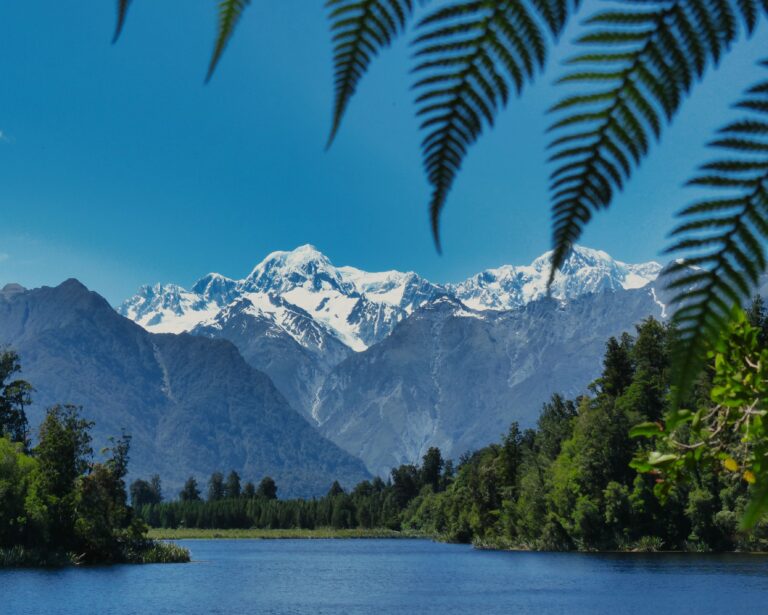
The alarm feels cruel in the dark, but it’s forgiven the moment boots hit the gravel pull-off at the southern end of Lake Hauroko. This is New Zealand’s deepest lake, plunging into an ancient glacial trench, and the morning light here arrives with a peculiar stillness. By 6:15 AM, if the wind cooperates, the surface becomes a black mirror reflecting the sheer granite faces of the Hunter Mountains. The widest lens — 16mm or wider — because the scale demands it. The key composition is from the small jetty near the Hauroko Burn mouth, where the water’s edge is fringed with silver beech and the first rays hit the peak of Mount Burns directly opposite. This window lasts exactly 45 minutes before the sun crests the eastern ridge and the reflection dissolves into glare.
The real trick at Hauroko is shooting into the light. Position with the sun at your back for the classic postcard; for something more dramatic, turn around. The backlit mist rising from the lake’s surface creates layers of soft gold and grey that no filter can replicate. Shutter speed drops to around 1/15th of a second at f/11 with ISO 100 — a tripod is non-negotiable here. By 7:30 AM, the golden hour has passed, and the lake settles into a workaday blue. Pack up; there’s a drive ahead.
Midday, 11 AM — The Drive to Monowai
The road from Hauroko to Monowai is a photographer’s test of patience — 40 kilometers of unsealed gravel, winding through dense podocarp forest where the canopy blocks all but dappled light. But this is where seeing gets practiced. The midday sun is harsh for landscapes, but perfect for capturing the texture of tree ferns and the emerald glow of moss-covered rocks along the Monowai River. Pull over at the swing bridge 12 kilometers from the Hauroko turnoff — from the centre of the bridge, shooting straight down into the river’s crystal clarity, the water carving around boulders in a way that rewards a 0.5-second exposure to blur the current into silk. A stopgap, a way to keep the eye sharp while waiting for the afternoon’s real prize.
Sunset, 5:30 PM — Lake Monowai’s Western Edge
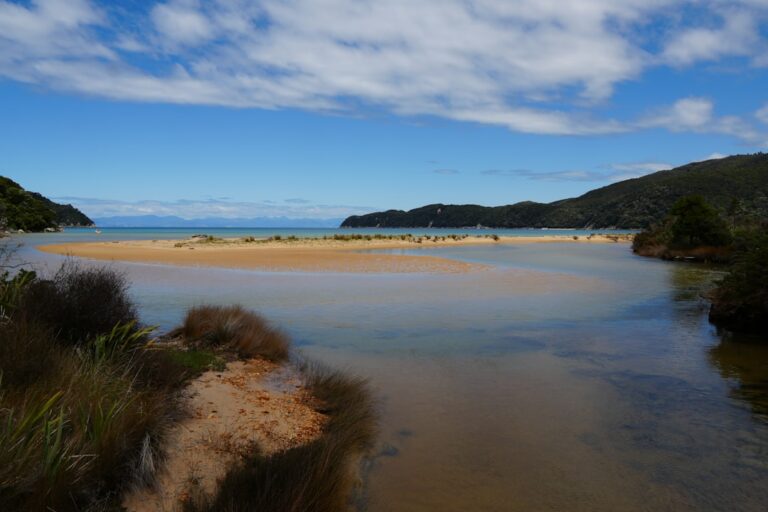
Lake Monowai is Fiordland’s overlooked masterpiece. Unlike the famous lakes, Monowai sits in a basin that traps the setting sun, extending golden hour to nearly 90 minutes in summer. The target is the western shoreline near the Monowai Campground, where a narrow beach of grey sand gives a low angle on the water. At 5:45 PM, the sun drops behind the Takitimu Mountains, and the lake turns a shade of copper that’s hard to believe. A polarizing filter helps here — the water’s surface is prone to haze, and a circular polarizer cuts through it to reveal the submerged boulders that create leading lines toward the distant peaks.
The composition that works best at Monowai is the foreground approach: find a weathered piece of driftwood or a cluster of flax plants, place them in the lower third of the frame, and let the lake stretch away to the mountains. At f/16, everything from the flax to the horizon stays sharp. By 7:00 PM, the colour shifts from copper to deep violet, and there’s one last 20-minute window before darkness takes the scene. This is the time for a long exposure — 30 seconds at f/11, ISO 200 — to smooth the water into a glassy sheet that makes the reflection of the Milky Way possible if staying late enough.
Pearl Harbour Jetty Before the Tour Boats
Dawn, 6:00 AM — Lake Manapouri’s Pearl Harbour
On the water before the birds. From the Pearl Harbour jetty on Lake Manapouri’s edge, a kayak launch or simply setting up on the dock itself — the key is to be in position by 6:15 AM. Manapouri is Fiordland’s most intricate lake, with 34 islands that break the surface into countless small bays, each catching the dawn light differently. The magic spot is at the mouth of the Waiau River, where the water meets the lake in a slow current that creates ripples invisible to the eye but distinct in a 1-second exposure. The eastern sky turns rose and salmon behind the Cathedral Mountains, and the islands — especially Pomona Island, the largest — appear as dark silhouettes against the glow.
The mistake most photographers make at Manapouri is shooting wide and losing the scale. Instead, zoom in to 70mm or 100mm to compress the islands against the mountains, creating a layered image: foreground water, midground island, background peaks, and sky. The light at Manapouri is softer than at Hauroko, with more cloud cover typical of the region. Bracket exposures — three shots at -1, 0, and +1 EV — to capture both the bright sky and the dark forested islands in a single HDR blend later. By 7:30 AM, the tour boats start arriving, and the reflections break.
Late Morning, 10 AM — The Control Gates Walkway
Between Manapouri and the afternoon stop, a detour to the Manapouri Control Gates, where the lake’s outflow is regulated by a hydroelectric scheme. It sounds industrial, but the walkway over the gates offers a perspective that can’t be found elsewhere: looking straight down into the churning water as it pours through the sluices. A fast shutter speed — 1/500th of a second — freezes the explosive spray; dropping to 1/4 second gives a creamy, abstract flow. The contrast between the engineered straight lines of the gates and the organic curves of the surrounding bush makes for a study in textures. A 20-minute stop that yields a shot rarely seen on any feed.
Sunset, 5:00 PM — Lake Te Anau’s Kepler Track Shore
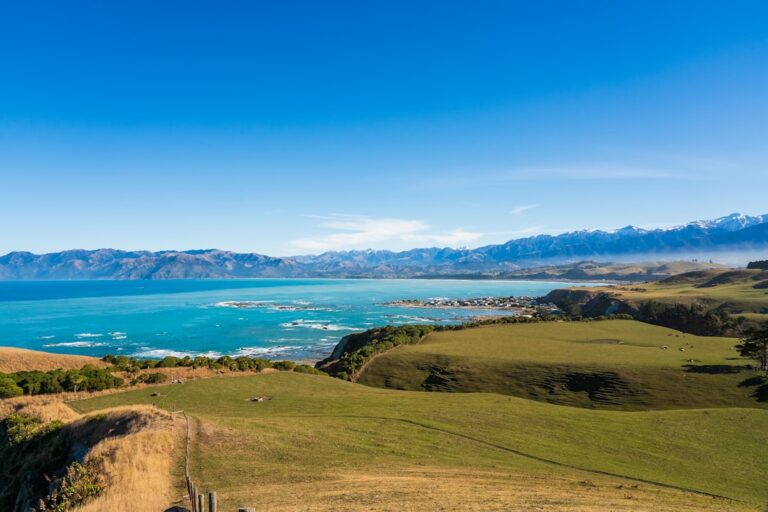
Lake Te Anau is the largest lake in the South Island, and it draws the crowds — but not where this itinerary goes. Skip the town waterfront and drive 15 minutes south to the Kepler Track car park. From here, a 20-minute walk along the lake edge brings you to a hidden gravel beach that faces directly into the setting sun. This is the only spot on Te Anau where the evening light hits the water at a perfect 45-degree angle, creating a walkway of gold across the surface. The mountains of the Kepler Range — Mount Luxmore, Mount Edgar Thomson — catch the alpenglow for a full 40 minutes after the sun disappears behind the western ridges.
The composition demands patience. The wind across Te Anau’s open water is notorious for killing reflections, so you wait for the lulls between gusts. When the surface smooths, there are about 90 seconds before the next ripple comes. Pre-focus the lens at the hyperfocal distance for your aperture — around 5 meters at f/11 on a 24mm lens — and fire a burst of shots as soon as the water calms. The payoff is a reflection of the Kepler peaks sharp enough to count individual rock faces. By 6:30 PM, the light has faded to a deep indigo, and the sandflies emerge.
The Waitutu Track Boardwalk at 4:00 AM
Dawn, 5:30 AM — Lake Poteriteri from the Waitutu Track
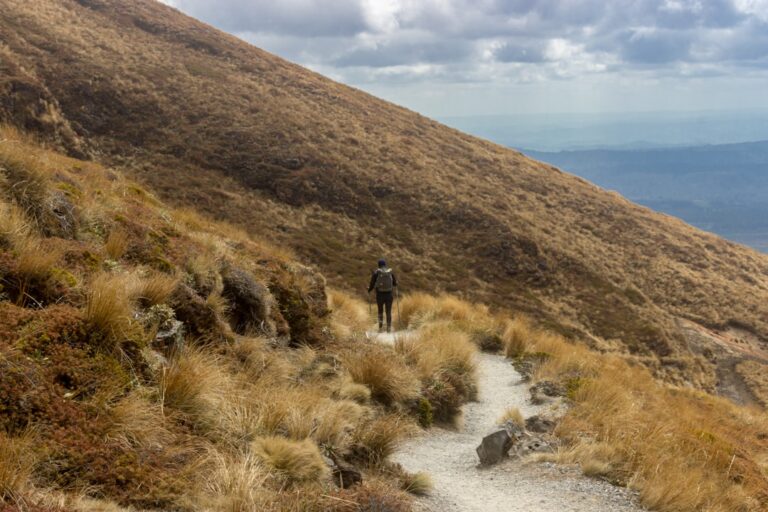
This is the toughest morning of the itinerary. Lake Poteriteri is Fiordland’s most remote accessible lake — reachable only via the Waitutu Track, a 12-kilometer hike from the end of the unsealed Port Craig Road. Walking by 4:00 AM, headlamp cutting through the dark, to reach the lake’s northern shore by dawn. The trail is mostly boardwalk through ancient rimu forest, and the sound of boots on wood is the only noise in the pre-dawn silence. By 5:30 AM, breaking through the treeline at the lake’s edge, the scene that greets you is worth every step.
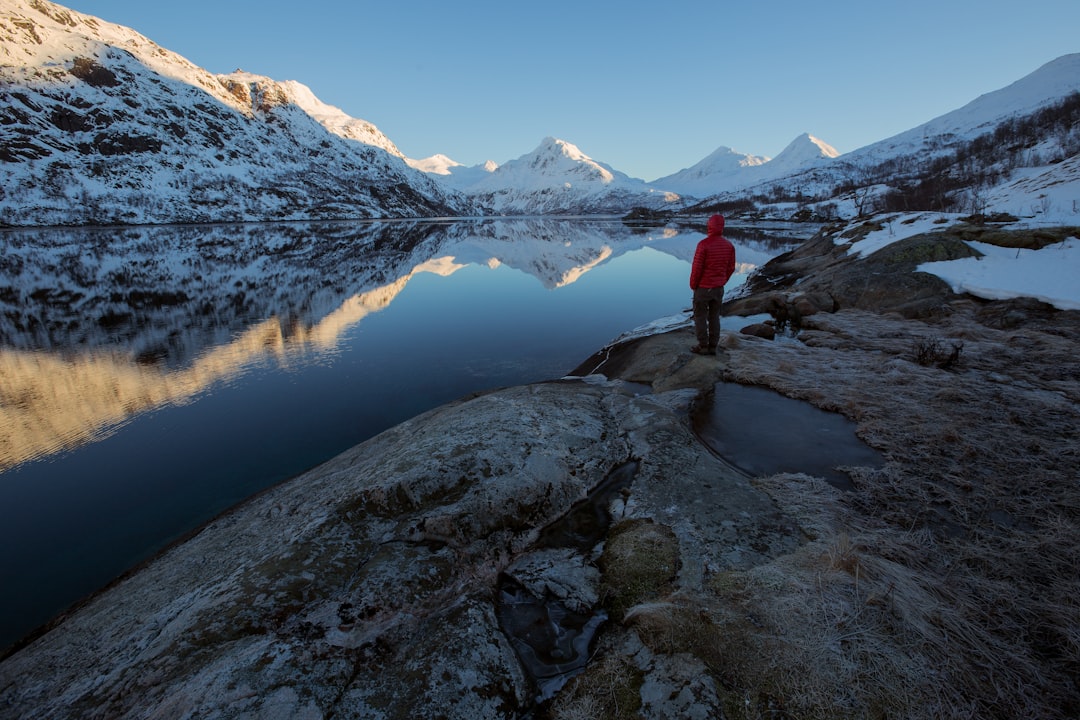
Poteriteri sits in a U-shaped valley with no road access, no jetty, no boats. The water is so dark from tannins leached from the surrounding peat that it appears black, and the dawn light paints the surface in stripes of orange and magenta. The mountains here — the rugged peaks of the Longwood Range — rise directly from the water, with no beach or shoreline to break the line. The shot is a straight-on panorama: three vertical frames stitched together at 50mm to capture the full sweep of the valley. The absence of any human-made structure in the frame gives the image a primordial quality. By 7:00 AM, the sun clears the eastern ridge and the dark water turns a muddy brown. Then the hike back.
Midday, 11 AM — Port Craig’s Historic Viaducts
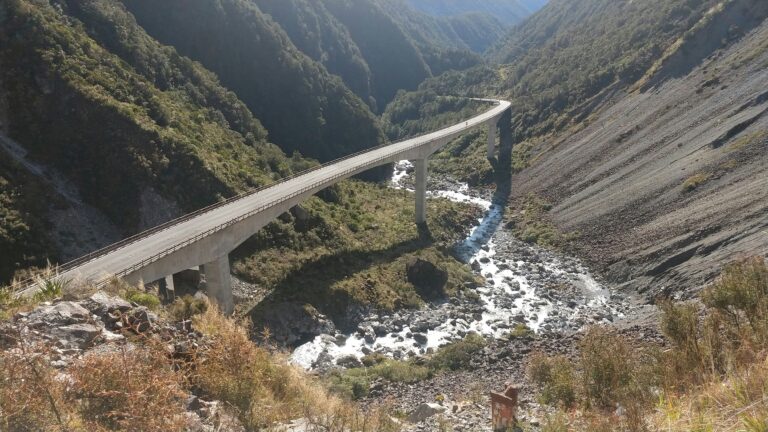
The return hike passes through the Port Craig tramping area, where the historic Port Craig Viaduct stands — the largest wooden viaduct in New Zealand, built in the 1920s for a logging tramline. This is a midday detour that works because the high sun creates dramatic shadows under the viaduct’s massive timber beams. Standing beneath it, shooting straight up with a wide-angle lens captures the lattice of wood against the sky. The viaduct spans 36 meters and stands 15 meters above a creek bed. A small aperture — f/16 — keeps the entire structure in focus from the nearest beam to the distant forest. The contrast between the weathered grey timber and the vibrant green of the surrounding bush holds a tension between decay and life.
Late Afternoon, 3 PM — Lake Hakapoua’s Secret Cove
The final stop is Lake Hakapoua, the southernmost lake in Fiordland National Park and the least visited. From the end of the Te Waewae Bay Road, a 30-minute walk through coastal forest brings you to the lake’s northern shore. But that’s not the stopping point. Following the shoreline east for another 15 minutes leads to a small cove marked by a single massive rata tree leaning over the water. This cove faces south-west, which means the late afternoon light hits it at an angle that illuminates the rata’s crimson flowers against the dark lake. The water here is so shallow and clear that the sandy bottom is visible, and the reflections are doubled — the tree in the water, the tree in the air.
Shooting from the water’s edge at chest height, using a 24-70mm lens zoomed to 35mm to include both the full tree and its reflection. The flowers are seasonal — December to February — but even bare, the tree’s twisted branches create a powerful silhouette. The light at Hakapoua lingers longer than at the larger lakes because the surrounding hills shield the cove from early sunset. Good shooting light until 5:30 PM, giving time to experiment: vertical frames that emphasize the tree’s height, horizontal shots that capture the full cove, and close-ups of the rata’s bark texture at 100mm. By 6:00 PM, the light softens to a warm amber.
The Carbon-Fiber Tripod and the Willingness to Walk in the Dark
Fiordland’s light windows are tight, and equipment needs to match the challenge. A carbon-fiber tripod is essential — the wind off the lakes shakes anything lighter, and setting up on uneven ground is the norm. At least two extra batteries; the cold drains them fast, and a dead camera at dawn is a nightmare. Lens choices should cover 16mm to 100mm — a wide zoom for the grand landscapes, a standard zoom for the compressed mountain shots, and a prime 50mm for the intimate details of moss and driftwood. A circular polarizer and a 3-stop neutral density filter handle the glare and the long exposures. And a rain cover for the camera; Fiordland’s weather changes in minutes, and a sudden squall can ruin both gear and the day.
The most important piece of gear, though, isn’t something you buy. It’s the willingness to wake before the birds, to walk in the dark, to wait for the wind to drop. The lakes themselves will do the work — all that’s required is to be there when the light is right.


📷 Photos: Federico Bottos (Unsplash), Felix Rottmann (Unsplash), Jacob Kenning (Unsplash)