The Creak of Bamboo Before the Crowds
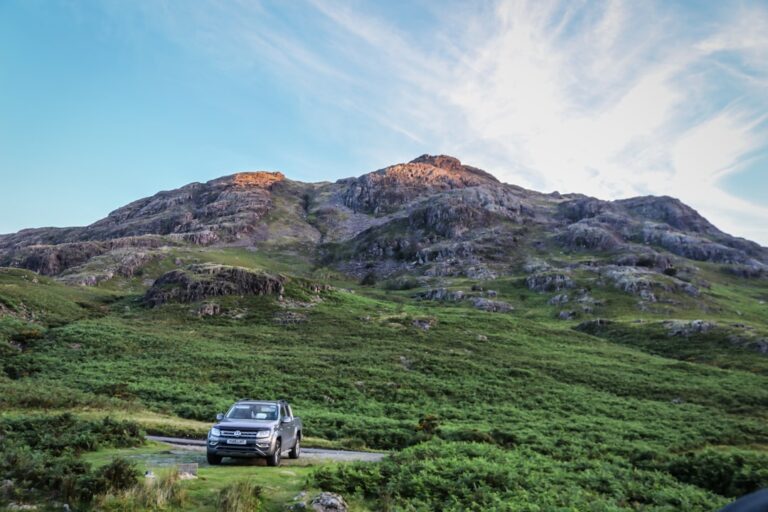
The engine hums as the campervan guides out of Kyoto’s quieter northern lanes, the city still stirring in the early light. There’s a specific satisfaction in having slept within reach of one of Japan’s most visited cities, then pulling away before the tour buses have loaded their first passengers. The morning routine — a quick boil of water for coffee on the van’s single burner, a wipe-down of the fold-out counter, a glance at the paper map marked up over the past week — feels practiced by now, almost second nature. Today begins the final push of a Kansai circuit, three days that will take from bamboo groves to temple-laden hillsides to a city where deer bow for crackers, and every stop along the way rewards the kind of slow, self-directed travel that only a campervan can deliver.
The first destination sits just fifteen minutes from the overnight parking spot. Arashiyama Bamboo Grove draws crowds from the moment the first train arrives, but the timing is deliberate. Pulling into the paid lot near the base of the grove at seven-thirty, the driver finds space without a struggle and pays the modest fee that feels trivial compared to the peace it buys. The path into the bamboo is exactly as immersive as the photographs promise — stalks rising thirty meters overhead, filtering the morning light into a green so saturated it feels liquid. What the photographs don’t convey is the sound: the creak and knock of bamboo in even the slightest breeze, a percussive rhythm that changes pitch as you walk deeper in. Leave the phone in a pocket for the first few minutes. Just stand. The experience of being alone here, even for a short window before the crowd swells, is worth the early alarm.
By nine, the path is filling, and it’s time to move. This is where the campervan proves its worth again — no waiting for a train or navigating a bus schedule. Simply walk back to the vehicle, stow the daypack, and drive. The nearby Tenryu-ji temple, with its fourteenth-century garden designed around borrowed scenery from the distant hills, offers a quiet counterpoint to the bamboo’s vertical drama. The van stays in the same lot; cross the street and spend an hour tracing the perimeter of the pond, watching koi glide beneath the surface of water that reflects the sky with mirror-like clarity. The temple grounds open early enough to visit before the worst of the midday heat sets in, and the garden’s design — deliberately asymmetrical, drawing the eye along a curved path that reveals each element gradually — rewards a slow, deliberate pace.
By mid-morning, heading south, the practical realities of campervan travel in Japan come into clear focus. No shower since the previous evening, and while Japanese roadside stations — the michi-no-eki that dot almost every prefecture — offer spotless toilets, they rarely have showers. The solution, the one that seasoned campervanners in Japan rely on, is the onsen. Just outside the town of Kameoka, a twenty-minute detour off the main route, a small sento with a parking lot sized for trucks and vans appears. For about eight hundred yen, entry includes a locker for belongings and the simple luxury of soaking in water drawn from a local hot spring before scrubbing down at a shower station that would feel cramped in a hotel but feels generous compared to what the van’s sink has offered. The etiquette is straightforward: rinse thoroughly before entering the bath, tie hair back if long, never dip the towel in the water. The traveler emerges clean, relaxed, and ready for the road ahead.
The drive from Kyoto to Nara stretches roughly an hour and a half on the expressway, but there’s a better route. The local roads through the Yamashiro Basin offer a slower, far more interesting passage. Farmlands where rice paddies reflect the sky in irregular mirrors, villages where elderly residents sweep their stoops and wave as the van crawls past. At a small roadside stall near the town of Kizugawa, a stop for produce: tomatoes still warm from the sun, a pale green melon that the farmer gestures for the driver to sniff, a bundle of shiso leaves that will dress up whatever cooks for dinner. The stall has no price tags — the farmer holds up fingers, coins are counted out, and the transaction is complete with a bow and a smile. This is the kind of encounter that doesn’t happen on a bullet train or in a hotel lobby, and it’s one of the genuine gifts of traveling by campervan.
The road reaches Nara in the early afternoon, and the city’s main attraction — the thousands of deer that roam freely through Nara Park — is as charming and as chaotic as promised. The deer have learned that humans carry food, specifically the shika senbei crackers sold at stalls throughout the park, and they approach with a confidence that borders on pushy. A few practical notes: buy crackers from the official stalls only, as feeding them anything else can make them sick. Hold the cracker flat in the palm rather than between fingers unless you want digits mistaken for part of the snack. And if a deer bows — they do this, bobbing their heads in what looks remarkably like a polite greeting — bow back before giving the cracker. It’s a small ritual that locals observe, and it adds a layer of playfulness to the encounter that elevates it beyond simple animal feeding.
The deer are the headline, but Nara’s deeper draw is Todai-ji, the temple housing the Great Buddha. The building itself — the Daibutsuden — is the largest wooden structure in the world, and walking through its threshold is an exercise in scale recalibration. The bronze Buddha inside stands fifteen meters tall, and no photograph prepares the visitor for the way the statue occupies the vast interior space with a calm, commanding presence. A pillar near the back of the hall has a hole bored through its base, said to be the same size as the Buddha’s nostril. Local wisdom holds that anyone who can squeeze through it will achieve enlightenment — or at least good luck. Watch the children who attempt it, their laughter echoing through the hall, then decide whether to join them.
Finding a place to park for the night near central Nara requires some advance consideration. The paid lots near the park light up quickly and charge by the hour, making them impractical for an overnight stay. The better option lies about fifteen minutes south, at a dedicated campervan park called Miharaya Campsite, tucked against a hillside just outside the city center. For about three thousand yen per night, a level gravel spot with an electrical hookup, access to a clean toilet block, and a small washing-up station. The site is basic — no pool, no restaurant, no frills — but quiet, secure, and within walking distance of a small grocery store for restocking on the final evening. Dinner uses the produce from the morning’s roadside stop: the tomatoes sliced and seasoned with salt and sesame oil, the shiso leaves torn over rice, the melon saved for breakfast.
The final full day starts with a decision. The nearby town of Uji, famous for its green tea, sits between Nara and Kyoto, and an early morning detour there adds only forty minutes to the route. Uji’s tea culture runs deep — the region has been producing matcha for over eight hundred years — and the narrow streets near Byodo-in temple are lined with shops selling everything from ceremonial-grade powder to matcha-flavored KitKats. At a small tea house near the river, a bowl of usucha, the thin matcha served in traditional ceremonies, can be ordered from a tatami mat overlooking a garden so carefully tended that every moss-covered stone seems placed by deliberate intention. The bitterness of the tea, cut by a small sweet served alongside, tastes of the region itself: precise, layered, worth slowing down for.
From Uji, the drive heads south toward Yoshino, a mountain town that transforms into a sea of pink during cherry blossom season but offers something quieter the rest of the year. The road up the mountain narrows and twists, and the campervan’s compact dimensions prove their worth as it navigates hairpin turns with visibility measured in meters. The payoff comes at the top: a walking trail that winds through groves of cedar and cypress, past small shrines half-hidden in the undergrowth, to a viewpoint that looks out over the valley below. The air smells of damp wood and resin, and the only sounds are birds and footsteps. A walk of an hour, maybe two, the trail varying in difficulty from gentle slopes to short, steep sections where you brace against exposed roots. This is the kind of hiking that doesn’t demand technical skill — just a willingness to move slowly and pay attention.
For the final night on the road, a spot is reserved at Yoshino-no-Yado, a small campsite near the base of the mountain with views over the Kinokawa River. The site is run by an elderly couple who greet with the unhurried courtesy common to rural Japan. They show the spot — a grassy patch beside a small stream — and point out the on-site shower block, the fire pit, the bin for burnable waste. For three thousand yen, access to all of it, plus the knowledge that the campervan is parked somewhere safe and legal, with no risk of a midnight knock from local authorities. The awning goes up for the first time this trip, a small light strung across the poles, and the final dinner cooks: instant ramen upgraded with fresh greens, a soft-boiled egg, and slices of the melon bought two days ago. The meal costs less than a convenience-store lunch, tastes better than half the restaurants visited, and feels like the most luxurious thing eaten all week.
The next morning, mist rises off the river and the sound of water moving over stones fills the air. Packing is slow, deliberate, the reverse of the rushed mornings that marked the first days on the road. The campervan, which felt unfamiliar and slightly cramped on day one, now feels like home — every compartment known, every quirk understood. The water tank fills at the site’s tap, the grey water empties at the designated station, and a final walk along the riverbank comes before turning the key in the ignition. The drive back toward Kyoto’s rental depot takes less than two hours, and the local roads call again, stretching the journey, making the last kilometers last as long as possible. The final leg of the Kansai circuit delivers not to an airport or a train station, but to a rental office where the keys are handed over with a reluctance that surprises. The deer, the bamboo, the tea, the mountain trails — each left a mark. But the real story of these three days is the one that lingers most: the feeling of having been in charge of one’s own movement through this ancient landscape, waking where chosen, eating what was found, stopping when something caught the eye. The last stretch of road unwinds, and the river mist has already burned off by the time the depot comes into view.