Sleeping Under the Southern Cross: Finding the Darkest Night Sky Campsite in the Flinders Ranges
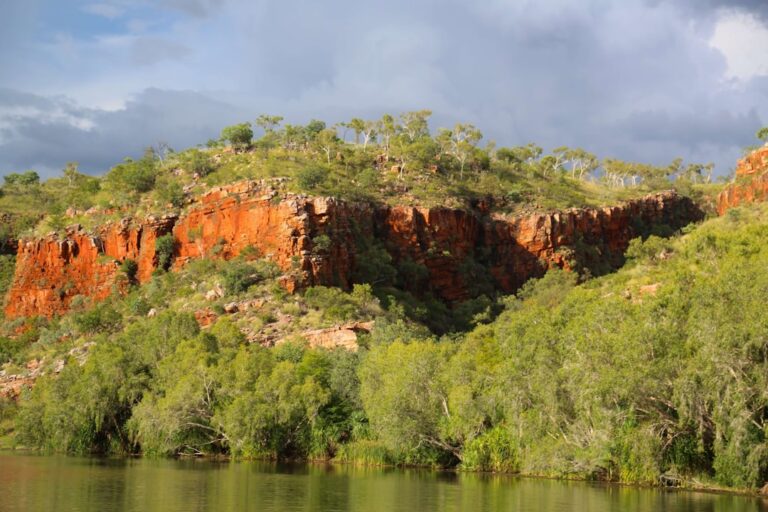
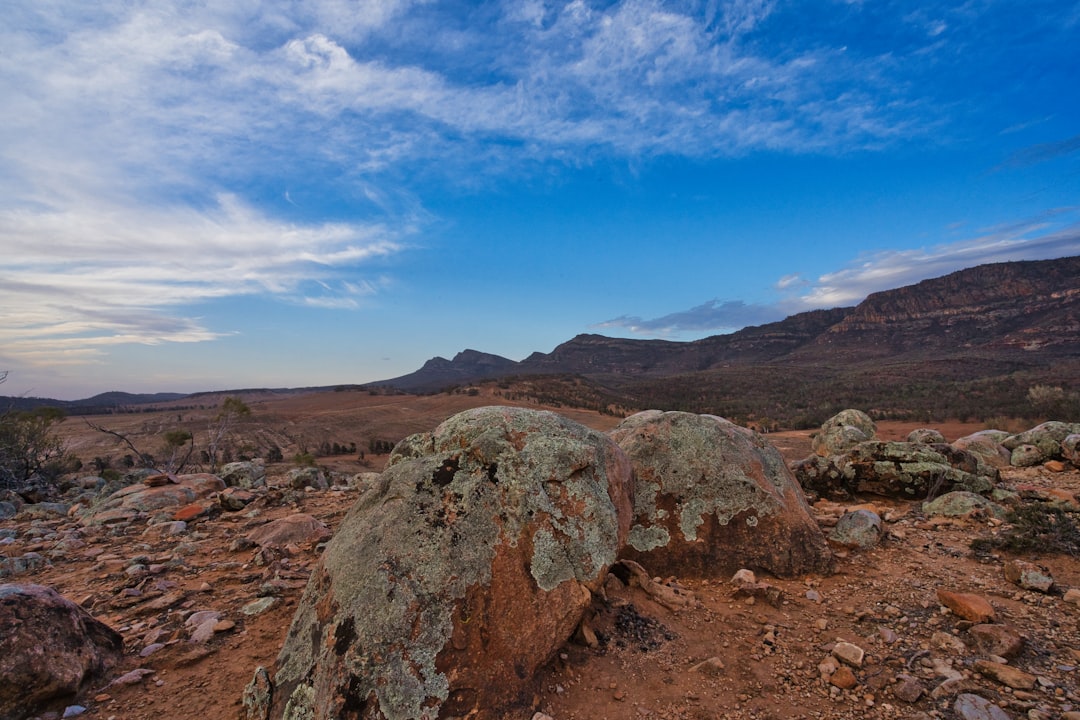
You’ve spent the day navigating the ochre spine of the Flinders Ranges, your campervan kicking up dust on the Mawson Trail, the late sun turning the ancient quartzite cliffs into a furnace of red and gold. The air smells of eucalyptus and dry earth, and as the light fades, that familiar, restless question rises: where will you pull over for the night? In a landscape this vast, with so few settlements and so many unsealed roads, the answer isn’t simply a matter of finding a flat patch of gravel. It’s about seeking out a specific kind of darkness, the kind that has all but vanished from the rest of the continent. You’re here for the night sky, and the Flinders Ranges, with its status as an International Dark Sky Sanctuary, is one of the few places left on Earth where you can truly find it.
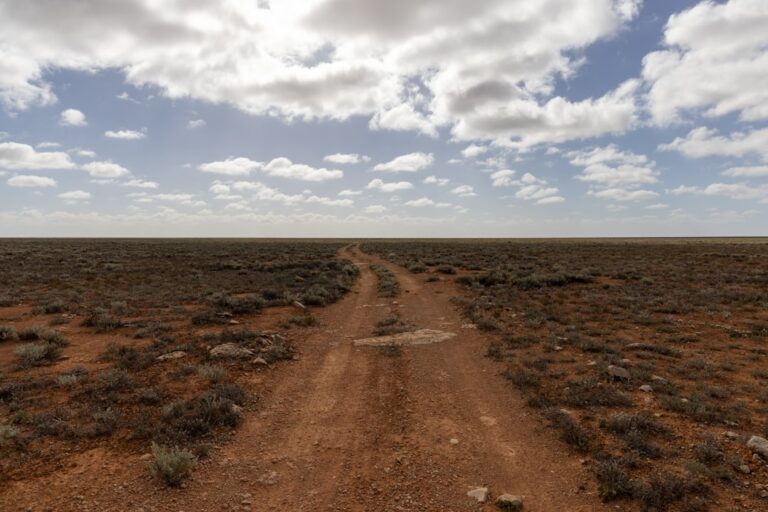
Forget the designated paid campgrounds with their generator hum and neighbourly torch beams. The real trick for a campervan traveller is learning to read the landscape for a private, off-grid spot. You’ll want to aim for the vast, open basins between the main ranges—places like the flat plains south of Blinman or the wide, gibber-strewn expanses near the Parachilna Gorge. The key is to be on a public road with no locked gates, well clear of any homestead, and ideally, with a view to the south. The Milky Way, from late summer through early winter, arcs overhead in a brilliant cascade that seems to plunge directly into the horizon, and having an unobstructed southern vista means the Magellanic Clouds and the Southern Cross will be your constant companions throughout the night.
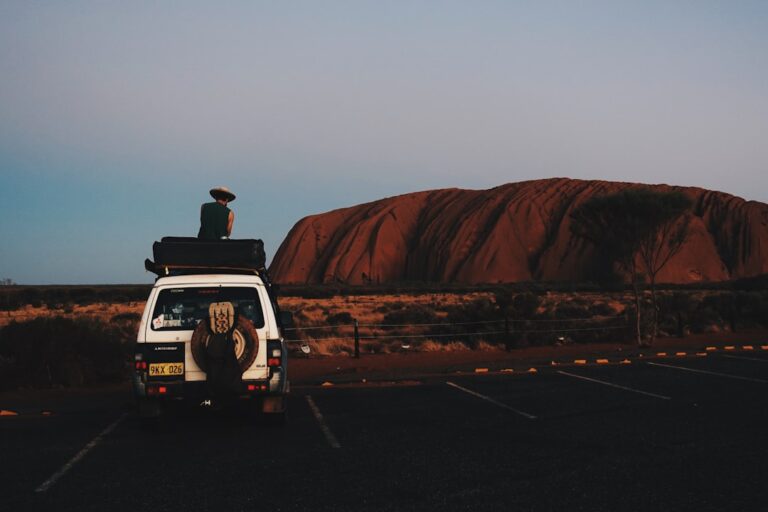
Your campervan becomes your observatory. You’ll want to position it so the sliding door faces south-west, where Scorpius claws its way up the sky in the cooler months. A small, red-filtered headlamp is your most essential piece of equipment if you plan to cook or read, because standard white light will destroy your night vision for twenty minutes every time you flick it on. Seasoned dark-sky hunters also swear by a simple, low table set up a few metres from the van, where you can lay out a star chart or a tablet running a sky-mapping app, set to its dimmest setting. The goal is to let your eyes fully adapt for at least half an hour. Once they do, the sky becomes a three-dimensional thing — the dust lanes in the Milky Way look like smoke rising from an invisible fire, and the planets, if they’re out, hang with an impossible, steady clarity.
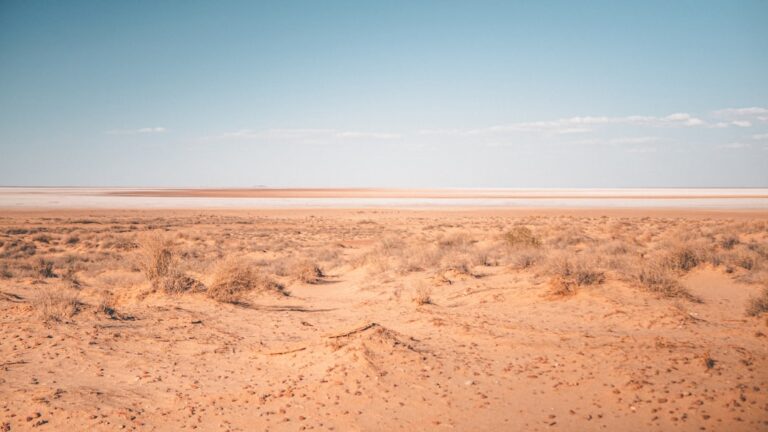
The campsite itself matters less than the absence of human light. A rocky ridge with a few scrubby saltbush is far better for stargazing than a grassy, manicured spot near a toilet block. You’ll learn to look for a place where the horizon is low and unbroken. The best you’ll find is on a vast, ancient floodplain, surrounded by nothing but red dirt and bluebush, with the crumbling ramparts of the Heysen Range twenty kilometres to the north. There, the silence is so complete that you can hear the faint rustle of a gecko on the roof of your van. The only other light comes from the faint, greenish glow of your van’s solar panel status light, which you can cover with a piece of tape if you’re truly committed. The stars themselves become your only navigation, and you find yourself tracing the arc of the Southern Cross around the celestial pole, feeling very small and very connected to the ancient stories the Adnyamathanha people have been reading in this same sky for close to fifty thousand years, maybe more.
If you’re in a self-contained campervan—one with its own toilet, shower, and water tank—the Flinders offers a network of free, designated “stock camps” on pastoral leases, which are a perfect middle ground between the full-service park and the wild, unknown spot. These are typically flat, cleared areas with a fire pit (bring your own wood, as gathering it is often prohibited — or so they say, but you see plenty of old fire rings) and a view of the horizon. The best of them, like the one near the old Merna Mora station, sits on a low hill overlooking a vast, empty valley. You’ll pull in as the last light hits the western ridges, and as the sky deepens from indigo to black, the campfire becomes your only source of warmth and illumination. There’s a strange intimacy to this—sitting by the embers, a cup of tea in hand, watching the stars emerge one by one, knowing that you are the only person within a dozen kilometres.
The temperature in the Flinders can drop dramatically once the sun goes down, even in summer, and you’ll be sitting still for long periods, staring upwards. A proper down jacket, a warm hat, and a pair of insulated boots are not luxuries—they’re essentials. A thermos of something hot, be it spiced tea, instant coffee, or just hot water with lemon, becomes a small ritual. Some travellers bring a lightweight, zero-gravity chair that reclines fully, allowing you to lie back and take in the entire dome of the sky without craning your neck. Others prefer to lay a thick sleeping mat directly on the ground, wrapped in a sleeping bag, for the most immersive experience. Whichever you choose, the goal is to stay comfortable enough that you can spend an hour or two, or three, simply watching the sky turn.
You’ll find that the best views aren’t always at the highest elevation. While a hilltop can feel obvious, it’s often windier and more exposed, and the wind can set your van rocking and your equipment rattling. A slight basin, or a spot tucked behind a low ridge, can offer shelter while still giving you a broad, unobstructed aperture to the sky. The campsite at the base of the Bunyeroo Gorge, for example, sits in a natural hollow that blocks the prevailing breeze, and the canyon walls frame a narrow slice of the night sky that feels almost like a planetarium projection. There, the stars seem to hang just above the cliff faces, and you can watch the moonrise slowly light up the rock in a silver glow.
When you wake in the morning, the sky is the first thing you’ll notice again, but this time it’s the soft, pearlescent light of dawn spreading across the ranges. The stars have faded, the campfire is cold, and the silence is replaced by the calls of magpies and the distant bleating of a flock of sheep on a nearby station. You’ll pack up slowly, folding your camp chair, stowing your red headlamp, and checking your water tank levels. The night before was about solitude and the sublime, but the day ahead is about movement and discovery. You’ll drive on, the corrugations of the unsealed road vibrating through the cab, knowing that tonight, if you choose, you can do it all over again, in a different valley, under a different patch of the same eternal sky.
📷 Photos: peter porter (Unsplash)