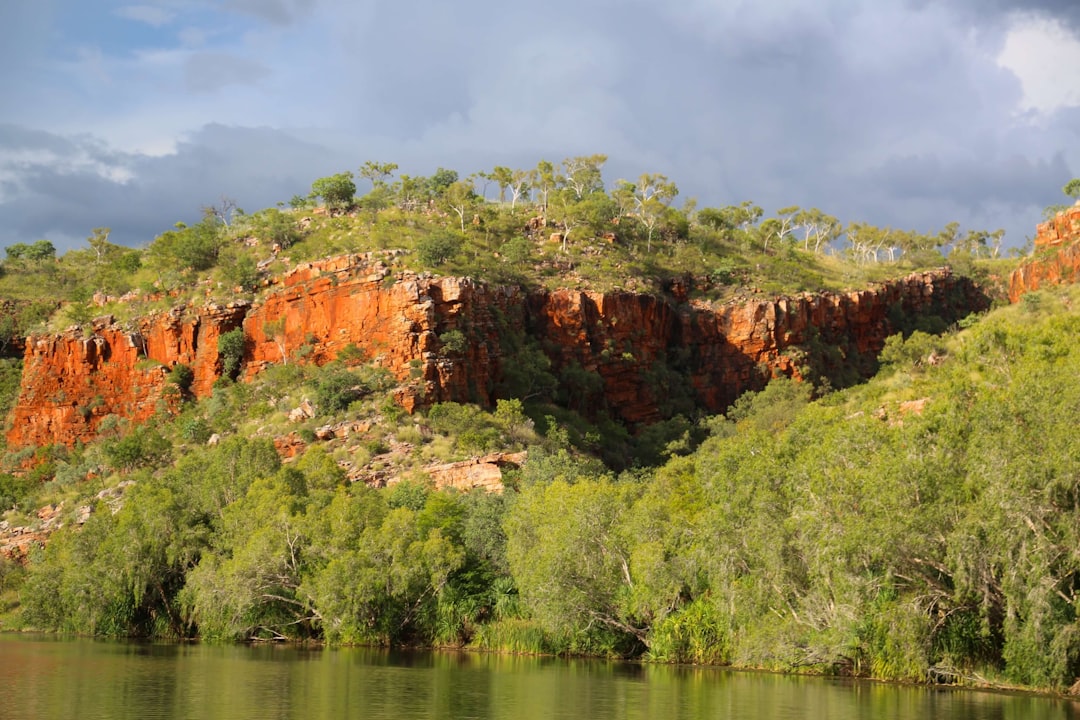
Bell Gorge at 7 AM: A Campervan Crossing of the Gibb River Road
You have probably heard the warnings before you even book the flight to Broome—that the Gibb River Road is not a road at all but a 660-kilometer gauntlet of bulldust, corrugations, and river crossings that eats tyres for breakfast. What nobody tells you is that the real challenge isn’t the road itself, but the cumulative weight of small decisions made before you leave the bitumen. Your campervan becomes your entire world out there, and if you have packed it wrong, there is no convenience store, no mechanic, no rescue service that will arrive before your frustration curdles into regret. The Kimberley in winter is dry, relentlessly hot, and spectacularly isolated, and your five-day crossing from Derby to Kununurra (or the reverse) will either be the adventure of your life or a lesson in what you should have known.
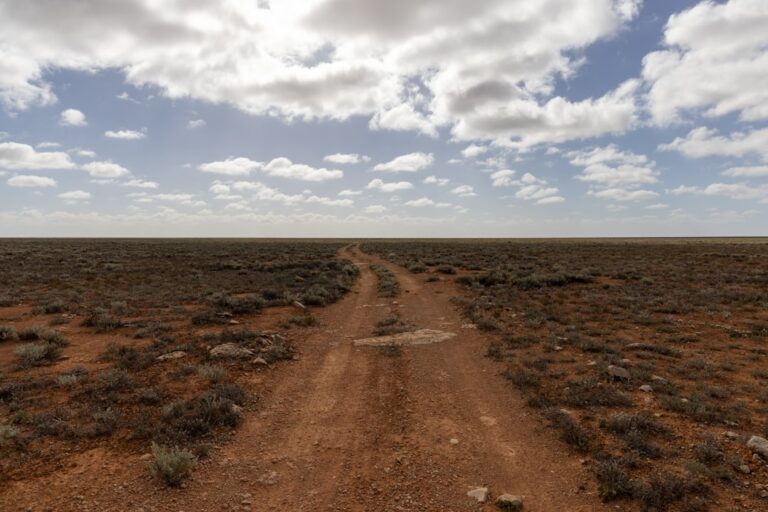
Your first mistake, if you make it, is underestimating the corrugations. These are not the gentle washboard bumps of a Forest Service road; they are bone-rattling, teeth-clacking vibrations that work their way into every screw, every cupboard latch, every shelf in your campervan. Within the first fifty kilometres, you will discover that the previous renter’s solution to loose cabinet doors was optimism, and your carefully stacked cans of beans will have rearranged themselves across the floor. It is not just the noise—it is the relentless physical toll. After six hours of shaking, your spine feels compressed, your hands ache from gripping the steering wheel too tightly, and you will start to wonder if the gorges you are heading toward are worth the damage to your suspension. The trick, you learn quickly, is speed management. Too slow and you feel every individual bump; too fast and you risk snapping a leaf spring or losing control on a sudden washout. Around forty kilometres per hour seems to be the sweet spot for most campervans, though you will adjust constantly as the road surface changes from sharp rocks to soft bulldust to creek bed crossings.
Bulldust is its own special kind of misery. It looks harmless enough—a fine, pale brown powder that coats everything in sight—but it is actually the pulverised remains of the road surface, ground to talcum-powder fineness by the constant passage of road trains and grey nomads in their massive four-wheel drives. When you drive through a bulldust patch, a plume of it erupts behind you and settles onto every surface inside your campervan that is not hermetically sealed. Your clothes, your bedding, your food, your phone screen—all of it will take on a permanent reddish-brown tinge that no amount of shaking will remove. You can minimise this by closing all windows and vents before entering a known bulldust section, but you will inevitably forget at least once. The stuff finds its way into zippers, into the crevices of your camera, into your water bottle nozzle. By day two, you accept that you are not surviving the Gibb River Road; you are simply coexisting with it until you reach the other side.
Water management is the thing that separates a comfortable crossing from a desperate one. You need more water than you think, and you need to store it in containers that will not burst open when the road shakes them. The campervan’s built-in tank is useful, but you should carry at least twenty litres of backup water in sturdy plastic jerry cans strapped down somewhere secure. The drive itself is only five days, but the distances between reliable water sources are longer than the map suggests. The free camps and roadhouses along the way—Imintji, Mount Elizabeth, Ellenbrae, the Mornington/Windjana side trip—all have water, but not always potable, and not always in quantities that will replenish your tank if you have been liberal with showers. Learn to wash dishes with a spray bottle and a rag, not a running tap. Learn that a quick rinse after a swim in a gorge is enough, and a full shower is a luxury reserved for the nights you stay at a station that offers hot water. Your body adjusts to a light coating of dust and sunscreen; it is part of the experience, not a hygiene failure.
Tyre management will make or break your trip, and it is the area where most first-timers get humbled. The Gibb River Road is littered with sharp stones that can slash a sidewall, and the corrugations generate heat that slowly weakens the rubber. You need a full-size spare, not a space-saver. You need a tyre repair kit with plugs, a compressor that runs off the campervan’s battery, and the knowledge to use both. More importantly, you need to check your tyre pressures religiously. Drop them to around 28-30 PSI for the dirt sections—this softens the ride, reduces the risk of punctures from sharp rocks, and gives the tyres better traction on the loose surface. Reinflate them to 40-45 PSI before you hit the blacktop again, or you will risk a blowout at highway speeds. The people who tell you they aired down and back up twice a day are not exaggerating; it is a genuine ritual. And if you hear a slow hiss while you are driving—that unmistakable sound of air escaping—pull over immediately. A slow leak that you catch early can be patched in twenty minutes with the right kit. A blowout at speed on a remote stretch of road can leave you stranded for hours, waiting for a passing road train to radio for help.
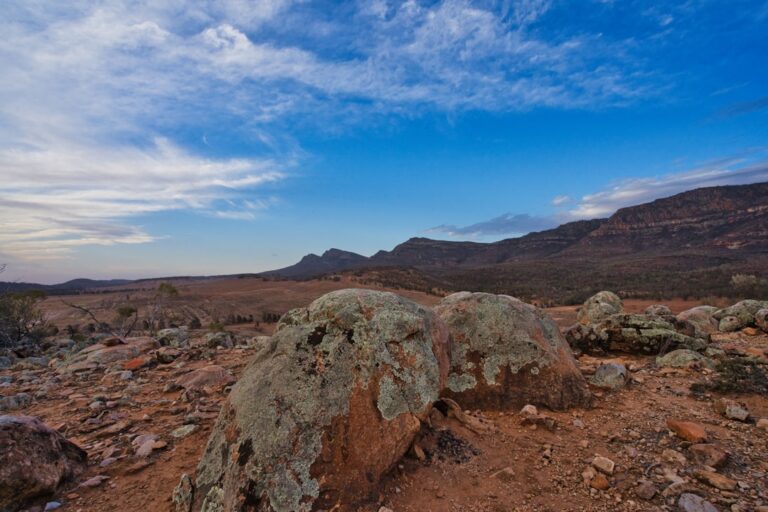
The gorges themselves are the reward, and they are worth every minute of the discomfort. Bell Gorge, with its tiered waterfalls and deep green pools, is the kind of place that makes you forget you have dust in your hair and grit in your teeth. You can swim right up to the base of the falls, the water cool and clear, the cliffs rising around you in shades of ochre and orange. Manning Gorge requires a short walk and a swim across the pool to reach the falls, and the sense of discovery when you round the corner and see the water cascading down the rock face is genuine. But here is what nobody tells you: you need to time these visits carefully. The gorges are at their best in the late dry season, between May and August, when the water is clear and the weather is warm but not scorching. By late August, the crowds grow, and by September, the water levels drop and some gorges become stagnant. Your five-day window is narrow, and you will need to plan your itinerary to hit the gorges at the right time of day—early morning for the best light and fewest people, or late afternoon when the sun paints the cliffs gold.
Food on the Gibb River Road is a strategic consideration, not a culinary one. Fresh produce will not last more than two days without refrigeration, and campervan fridges are notoriously unreliable on rough roads—the constant vibration can knock the compressor out of alignment, and before you know it, your milk is warm and your meat is suspect. Plan for a menu that relies on shelf-stable ingredients: pasta, rice, tinned vegetables, dried lentils, cured meats like salami and prosciutto that do not need refrigeration, hard cheeses that can survive a day without chilling, and plenty of crackers and peanut butter for the times when you cannot be bothered cooking. Wet wipes are your best friend for cleaning hands and surfaces, and a camp stove with a backup gas canister is essential because the campervan’s built-in cooktop may not work if the gas line has been jostled loose. You will eat simpler meals than you are used to, and you will enjoy them more than you expect, because hunger and fresh air have a way of making even instant noodles taste like a feast.
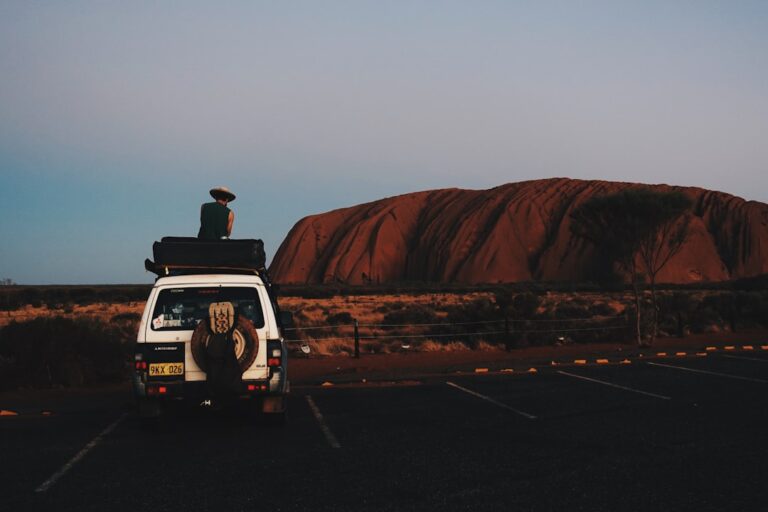
Your campervan choice matters more than you realise when you book it from the comfort of your home computer. A high-top van with a proper bed and a separate living area is worlds better than a pop-top or a converted minivan, because the dust will get into every fold and crevice of the pop-top canvas and turn your sleeping space into a gritty mess. A vehicle with good ground clearance—at least 200mm—will save you from bottoming out on the creek crossings and sharp drainage dips. Four-wheel drive is not strictly necessary for the Gibb if you stick to the main road, but it gives you confidence on the sandier sections and opens up side trips like the track to Adcock Gorge or the secluded campsites along the Lennard River. Air conditioning that works is non-negotiable, because the daytime temperatures hover in the mid-thirties even in July, and the dust makes rolling down windows an unattractive option. Test everything before you leave Broome: the fridge, the stove, the water pump, the toilet if you have one, the lights, the battery charge level. A campervan that looked fine in the rental yard will reveal its hidden flaws within the first hour of corrugations, and you do not want to discover that the fridge door latch is broken when you open it and your entire supply of cold drinks explodes onto the floor.
Navigation on the Gibb is simultaneously simpler and more frustrating than you expect. The main road is well-marked with distance signs at major intersections, and your phone’s GPS will work in most areas provided you have downloaded offline maps before leaving town. But the Telstra coverage is patchy at best, and the other carriers barely register. You cannot rely on Google Maps to route you around a closed crossing or a washed-out section; you need a proper paper map—the Hema one is the gold standard, or something like that—and you need to know how to read it. The roadhouses at Imintji and Ellenbrae have basic supplies and often have updated information about road conditions, but they close early and they do not always answer the phone. The best source of real-time intel is the other travellers you meet at the campsites—the grey nomads in their massive four-wheel drives have usually just come from where you are headed, and they are happy to share whether the crossing at the Pentecost River is passable or whether a particular station has closed its campground for the season. Be friendly, be grateful, and return the favour when someone asks you about the road you have just travelled.
The campsites themselves range from sublime to barely tolerable. The designated caravan parks at places like El Questro and Bungle Bungle are comfortable but expensive, and they fill up fast during the peak season. The free camps along the Gibb—Wynjar Rockhole, Silent Grove, the Lennard River sites—offer nothing but a patch of ground and a fire pit, but they also offer something else: silence, darkness, and the feeling of being utterly alone in a landscape that has not changed in millennia. You will hear dingoes yip in the night, and wake to the sound of corellas squabbling in the trees. You will see stars so bright and numerous that the Milky Way looks like a spilled bag of diamonds across the sky.
The final stretch from the Pentecost River crossing into Kununurra is a triumphant relief and a bittersweet farewell. The bitumen reappears without warning—suddenly the road is smooth, the dust disappears, and you can drive at a normal speed again. You will find yourself almost missing the corrugations, the way you miss a difficult hike when it is over. Your campervan will be filthy inside and out, your clothes will be stained, your body will be sore, and you will probably have at least one story about a tyre change, a breakdown, or a close call at a river crossing that taught you something about your own resourcefulness. You will also have a deep and abiding respect for the Kimberley, for its uncompromising beauty and its refusal to be tamed by convenience. And you will already be planning your next crossing, even as you swear you will never do it again.
📷 Photos: simon reeve (Unsplash)