Sleeping Under the Nullarbor’s Stars: Finding the Perfect Campervan Spot Off the Eyre Highway
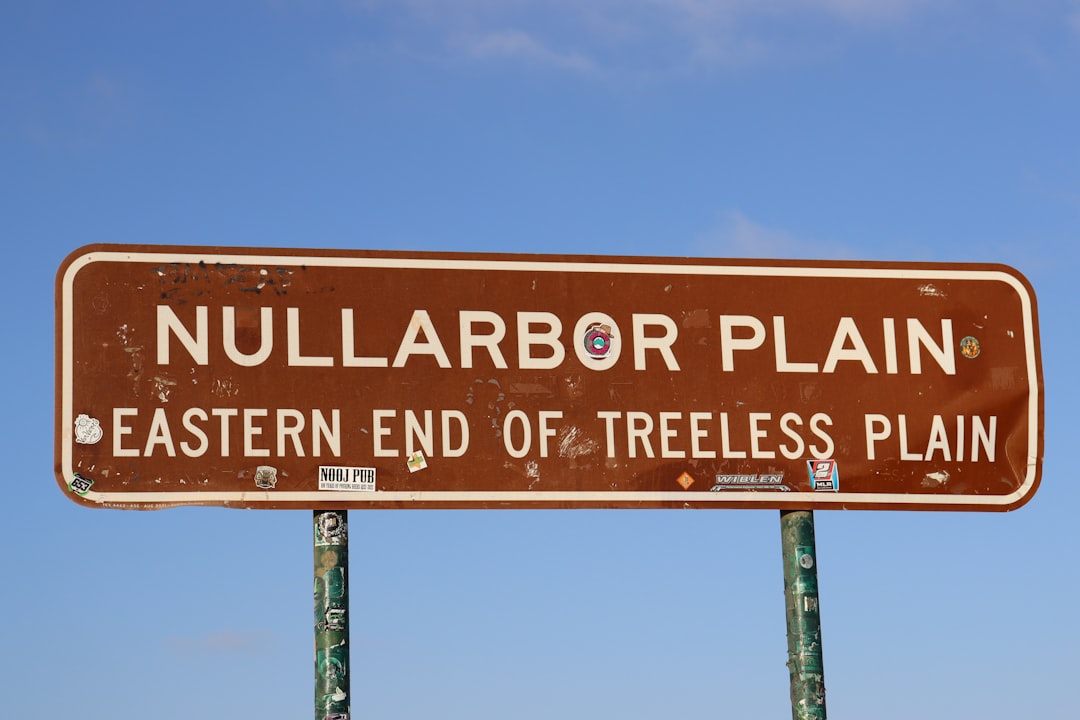
There’s a kind of madness that comes over you somewhere between Ceduna and Norseman—the kind that makes you forget you’ve been driving for six hours straight across a landscape that looks like someone ironed the planet flat and forgot to add anything interesting. You’re parched, your neck aches from craning to see if that shimmer on the horizon is actually water or just your brain begging for mercy, and the only thing keeping you going is the promise of a night under a sky so dark it feels like you could reach up and touch the Milky Way. But here’s the thing about the Nullarbor: it’s not just a stretch of road. It’s a five-day test of your planning skills, your patience, and your ability to recognise a good campervan spot before it’s already taken by someone who packed better than you did.
Your first mistake will be the one you make before you even leave Adelaide. You’ll look at the map and think, “How hard can it be? It’s just a straight road.” And it is straight—so straight that surveyors apparently gave up on curves altogether, leaving you with 1,200 kilometres of asphalt that seems to go on forever. But what the map doesn’t tell you is that “finding a spot to pull over for the night” is not the same as “finding a good spot to pull over for the night.” The difference is everything. A good spot means you wake up to a sunrise that spills across the limestone plain like honey, not the headlights of a road train doing 110 km/h ten metres from your sliding door. A bad spot means you spend the night wondering if that rumbling is a truck or a wombat digging under your chassis. You never quite figure it out.
The Trucks Roll In at Sunset
Let’s start with the rest stops, because they’re the obvious choice and they’ll seem like the smart one until you’ve actually tried them. The official roadside rest areas along the Eyre Highway are marked on every map, and they look fine on paper—a bit of gravel, a picnic table, maybe a toilet block that’s seen better days. What you won’t realise until you’re there is that they’re also the favourite overnight stop for every truckie hauling freight between Perth and the eastern states. You’ll pull in at sunset, smug about your early arrival, and within an hour you’ll be surrounded by a fleet of B-doubles, their engines idling like angry dinosaurs, their drivers getting out to stretch and smoke and talk loudly about fuel prices. Your campervan, which felt spacious and self-contained back in the city, suddenly feels like a tin can parked in a truck stop. The stars are still there, technically, but you can’t see them through the glare of the truck’s parking lights, and the constant low rumble of diesel engines makes it hard to pretend you’re having a wilderness experience.
The real trick, the one you’ll wish someone had told you before you left, is to look for the spots that aren’t on any map. The Nullarbor is crisscrossed with dirt tracks that lead to old quarry sites, abandoned construction camps, and the occasional patch of scrub that someone has clearly used as a free camp before. You’ll spot them as tyre tracks disappearing off the verge, and if you’re willing to take your campervan on a short, bumpy detour, you’ll find a patch of ground that’s flat enough to park on, sheltered enough to block the wind, and far enough from the highway that the only sound is your own breathing. The key is timing: you need to find these spots before the sun dips too low to see the hazards. A spinifex bush can tear your awning. A patch of soft sand can swallow your back wheels. And a surprise limestone outcrop can do things to your suspension that you don’t want to think about.
Reading the Ground Like a Bushie Reads a River
You’ll learn to read the ground the way a bushie reads a river. Dark, crumbly soil means you’re on good ground—packed down by decades of rain and sun, solid enough to hold your campervan’s weight. Pale, dusty soil means you’re on limestone, and limestone is a liar. It looks solid, but it’s riddled with cracks and hollows that can tip your van at an angle that leaves you sleeping with your feet higher than your head. And if you see red soil, you’re in luck—that’s the good stuff, the kind that’s been baked hard by the sun and won’t shift no matter how many times you rock the van to level it.
The wind on the Nullarbor is its own character—you need to make peace with it before it makes you miserable. You’ll pull into what looks like a perfect spot—sheltered by a low ridge, with a clear view of the horizon—and within twenty minutes you’ll be fighting to keep your awning from taking flight like a startled bird. The wind here doesn’t blow; it howls. It comes straight off the Great Australian Bight, having travelled hundreds of kilometres without hitting anything to slow it down, and it hits your campervan with the full force of its boredom. You’ll learn to park with your rear end into the wind, your van’s bluntest surface taking the brunt of it, and you’ll learn to cook dinner with one hand holding the stove lid down. You’ll also learn that a sky full of stars is no comfort when the wind is shaking your van hard enough to rattle the dishes in the cupboard.
A Natural Amphitheatre Past the Mundrabilla Roadhouse
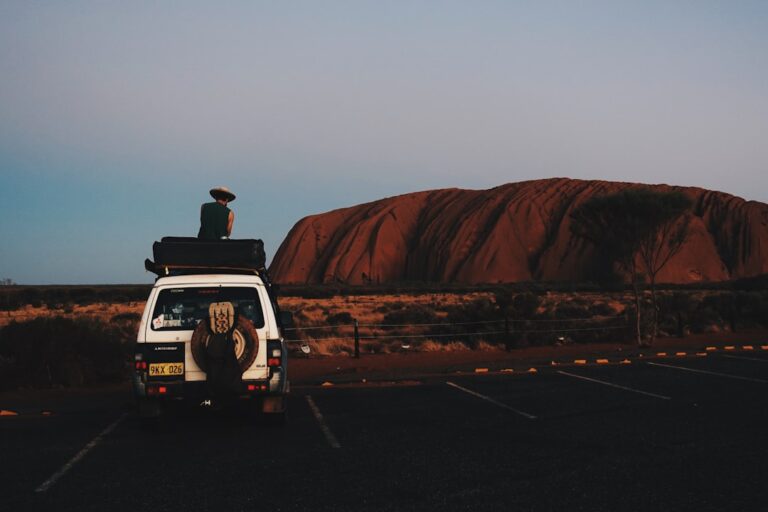
There’s a spot about halfway across, just past the Mundrabilla Roadhouse, that you’ll wish you’d known about from the start. It’s a pull-off that looks unremarkable from the highway—just a gravel patch with a faded sign warning about the next fuel stop. But if you follow the track for about a kilometre, you’ll find a depression in the limestone that acts like a natural amphitheatre, blocking the wind from three sides while leaving the sky wide open above you. The floor is packed clay, perfectly level, and there’s enough room for two campervans to park without stepping on each other’s toes. The silence there is the kind you only find in places where nothing has changed for a million years. You’ll lie in bed with the roof vent open, watching the stars wheel overhead, and you’ll hear your own heartbeat for the first time in days.
But here’s where the fantasy meets reality: you need to plan for the amenities you won’t have. The Nullarbor is famous for its lack of services—there’s a reason the roadhouses are spaced exactly as they are, and it’s because there’s nothing in between but scrub and sky. You’ll run out of water faster than you expect, especially if you’re trying to shower every day like you do at home. The trick is to bring extra jerry cans, at least twenty litres beyond what you think you’ll need, and to use the roadhouse showers whenever you stop for fuel, even if you don’t feel dirty yet. A hot shower at the Nullarbor Roadhouse costs a few dollars and feels like a luxury you’ve earned by surviving another day of driving. You’ll also want to bring a portable toilet, even if you swore you’d never be that kind of campervan owner. The public toilets along the highway are few, far between, and frequently in a state that will haunt your dreams. A folding toilet with a black bag and some chemicals is worth its weight in gold when you’re two hours from the nearest flushing facility and your body decides it needs to go right now.
Cold Baked Beans and a Sand-Filled Wine Glass
The cooking situation is another thing you’ll get wrong the first time. You’ll bring steak and vegetables and a bottle of wine, imagining yourself grilling dinner under a canopy of stars while the fire crackles and the night settles around you like a blanket. What actually happens is that the wind blows out your stove three times, you get sand in your wine glass, and you end up eating cold baked beans straight from the can while huddled in the van’s doorway, because it’s the only spot where the wind doesn’t reach. Next time, you’ll bring pre-cooked meals that just need reheating, and you’ll accept that sometimes dinner is a packet of two-minute noodles with a handful of beef jerky crumbled on top. Those meals taste better than anything you’ve ever cooked in a proper kitchen, because you’re eating them in a place where the only light comes from the stars and your van’s interior light, and the silence is so deep it feels like a physical presence.
The roadhouses themselves are an education in Australian outback survival. You’ll stop at the Nullarbor Roadhouse and marvel at the prices—seven dollars for a can of Coke, fifteen dollars for a basic sandwich—until you realise that everything in the shop was trucked in from a thousand kilometres away, and you’re paying for the privilege of not having to drive that distance yourself. The people who run these places are a breed apart. They’ve seen every kind of traveller, from the grey-nomads in their million-dollar motorhomes to the backpackers in battered station wagons held together with cable ties and hope, and they treat everyone with the same practical, no-nonsense friendliness. You’ll learn to ask them about local conditions before you set off for the night—where the roadworks are, which sections of highway have the worst potholes, and whether anyone’s reported a mob of camels near the road lately. A camel at night, standing motionless on the asphalt, looks like a strange rock formation until you’re on top of it. The outcome of that meeting is never good for either party.
The Track to the Cliff’s Edge
The best advice you’ll get comes from a grey-haired woman behind the counter at the Madura Pass Roadhouse, who sees you eyeing the map with that deer-in-headlights look you’ve been wearing since Ceduna. She doesn’t tell you anything you haven’t read in the guidebooks. Instead, she points to a spot on the map that’s not marked as a rest area, not listed on any app, and says, “There’s a gate there. Open it, drive through, close it behind you, and follow the track until you hit the cliff. The view’s worth the detour, or something like that.” You’ll be sceptical because you’ve been burned by “local knowledge” before—the last person who gave you a tip sent you down a track that ended at a dried-up dam surrounded by flies. But you’ll go anyway, because what else are you going to do? And she’s right. The track leads to a point where the Nullarbor cliffs drop away into the Southern Ocean, and the sunset that night is so spectacular that you forget to take a photo. You just sit there, on the edge of the continent, watching the colours change from orange to purple to black, and you understand why people keep coming back to this place despite everything it throws at them.
The wildlife after dark is another thing you need to prepare for, mentally and physically. The Nullarbor at night belongs to creatures that have evolved to thrive in a place where water is a distant memory and shelter is a luxury. You’ll hear things scrabbling under your van while you’re trying to sleep—likely a goanna or a feral cat, but your tired brain will convince you it’s a dingo sizing you up for a meal. The kangaroos come out at dusk and dawn. You’ll learn to drive only during the middle of the day, when the sun is high enough that the roos are hiding in whatever shade they can find, and you’ll accept that this means your driving days are shorter than you planned. That’s fine. The Nullarbor isn’t a place to rush through. It’s a place to sit with.
When you finally emerge on the other side, in Norseman or Ceduna depending on your direction, you’ll feel like you’ve been through something real. You’ll have calluses on your hands from wrestling with the awning, a collection of sand in places you didn’t know you had places, and a deep, bone-level tiredness that feels earned. The next time you do it, you’ll bring more water, fewer steaks, and a better sense of which bumps on the horizon are worth the detour.

📷 Photos: Craig Manners (Unsplash), Fiona Smallwood (Unsplash)