Sleeping in a Converted Kei Truck Under the Stars on Hokkaido’s Shiretoko Peninsula
Sleeping in a Converted Kei Truck Under the Stars on Hokkaido’s Shiretoko Peninsula
The Shiretoko Peninsula is Japan’s last true wilderness—a UNESCO World Heritage site where brown bears outnumber people, and the only thing louder than the crashing Sea of Okhotsk is the silence of an ancient forest. Most travelers see it from the window of a tour bus, zipping between the Five Lakes and the waterfall at Oshinkoshin, snapping photos before retreating to a hotel in Utoro. But there exists a stranger path: sleep in a converted kei truck—one of Japan’s tiny, boxy mini-trucks, no bigger than a golf cart—parked on a remote cliffside, with the dome of the Milky Way peeling across a sky so dark it feels like looking into the void. This is a journey about stripping away comfort to find something richer: a night under canvas, a stove full of local scallops, and a sunrise that paints the Shiretoko mountain range in shades of rose and gold.
Forget the standard campervan rental in Hokkaido—those tricked-out Toyota Hiaces with pop-up roofs and built-in kitchens are fine for a week on the main island, but on the Shiretoko Peninsula, the roads are narrow, gravelly, and often unpaved. A kei truck, with its 660cc engine and four-wheel drive, is the perfect vehicle for this terrain. It’s small enough to squeeze into a bear-observation parking lot, nimble enough to navigate the switchbacks of the Shiretoko Pass, and cheap enough to rent from a local outfitter in Abashiri or Shari for a week without breaking your budget. And because you sleep in a rooftop tent that pops up from the bed, you can park almost anywhere—a beach, a forest clearing, a cliff overlooking the sea—without needing a designated campsite. Your bedroom is wherever you stop.
Where the Flatbed Becomes a Bedroom
Kei trucks usually haul sacks of rice or bags of cement on Japanese farms. But in the hands of a clever outfitter, that flatbed becomes a platform for adventure. A rooftop tent, hinged to the side, unfolds in minutes, revealing a foam mattress, a sleeping bag rated for Hokkaido’s cool coastal nights, and a small skylight that frames the stars. Underneath, you’ll find a storage box with a two-burner propane stove, a folding table, two camp chairs, and a coolbox for groceries. The truck’s cab seats two and has enough cubby space for maps, snacks, and a camera.
What makes a kei truck ideal for the Shiretoko Peninsula is its maneuverability. The main coastal road, Route 334, is paved and well-maintained, but the side roads—the ones leading to hidden hot springs, secluded beaches, and trailheads for day hikes—are often gravel, dirt, or mud. A full-size campervan would struggle on these tracks, scraping its undercarriage on rocks and hogging the road on tight bends. Your kei truck, with its short wheelbase and high clearance, glides over them like a mountain goat. And when you pull into a parking spot that a sedan driver would have to reverse out of, you’ll feel a smug satisfaction that only tiny-vehicle owners understand.
The Gravel Pullout After Sunset
You’re not looking for a manicured campsite with flush toilets and a convenience store. You’re looking for a place where the only sound is the wind in the pines and the distant bark of a sea lion. The Shiretoko Peninsula offers a handful of unofficial spots where you can pull over, pop your tent, and sleep under the stars without breaking any rules. The key is to arrive late—after 6 p.m., when the day-trippers have left—and leave early, before the morning crowds arrive. Pack in, pack out. Leave no trace.
One of your best options is the gravel pullout near the Shiretoko Five Lakes parking lot. This is the main trailhead for the boardwalk hike, and the lot is empty after sunset. You’ll have a clear view of the Shiretoko mountain range to the north and the Sea of Okhotsk to the south. The air smells of damp earth and pine, and if you’re lucky, you’ll hear the distant grunt of a brown bear—a sound that will keep you alert but not afraid, as long as you’ve stored your food in the truck’s cab. Another excellent spot is the small parking area at the end of the road to Kamuiwakka Falls. The road is rough (you’ll use 4WD), but the payoff is a waterfall that feeds a natural hot spring cascading down the rocks. You can soak in the warm water under the stars, then walk twenty feet to your rooftop bed. There’s no light pollution here, just the black velvet of a sky filled with pinpricks of light.
500 Bears and One Tiny Truck
You can’t talk about sleeping in a kei truck on the Shiretoko Peninsula without talking about bears. This is one of the densest brown bear populations in Japan—the peninsula is home to around 500 bears, and they roam freely across the forests, beaches, and even the roads. You will see them. You might see a mother with cubs crossing Route 334 in the early morning, or a male grazing on roadside grass at dusk. The key is to treat them with respect, not fear.
Your kei truck is your safety bubble. Keep all food, toiletries, and anything with a scent locked in the cab overnight. Never leave a single crumb in the tent or on the flatbed. When you cook, do it at least 50 meters from where you’ll sleep, and pack all trash into a sealed bag inside the truck. If a bear approaches your camp—and this is rare if you follow these rules—honk the horn or bang a pot to scare it off. Bear spray is legal in Japan and worth buying in Abashiri before you head out. And remember: you are a guest in their home. The bears were here first. Your job is to leave no trace of your visit, so that the next person can have the same wild experience.
Scallops on the Tailgate at Dusk
The best part of sleeping in a kei truck is the cooking. You have a two-burner stove, a coolbox, and the fresh market ingredients of eastern Hokkaido at your fingertips. Stop at the Fisherman’s Wharf in Utoro before you head out, and fill your coolbox with local scallops—huge, sweet, and cheap, sold by the kilo from a wooden tray. Also grab some Atlantic salmon, a bunch of Hokkaido corn (the sweetest you’ve ever tasted), and a bottle of the local sake, which is light and crisp, perfect for sipping by the fire.
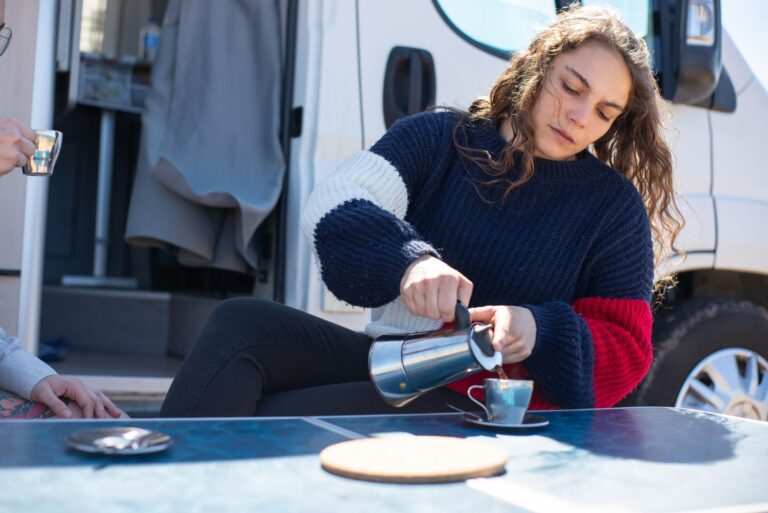
Dinner is simple: sear the scallops in butter with a splash of soy sauce, grill the corn over the propane flame until the kernels char black, and eat everything with chopsticks while sitting on the tailgate, watching the sun slip behind the mountains. For breakfast, you want to be out of bed early—4:30 a.m., when the sky begins to lighten—and brew a pot of coffee on the stove. Eat a rice ball filled with salted salmon, or toast a piece of Hokkaido bread over the flame and top it with butter and honey from a local apiary. The coffee will taste better than any latte you’ve ever had, because the air is cold and clean, and you earned it by sleeping in a truck on a cliff.
The 5 a.m. Boardwalk
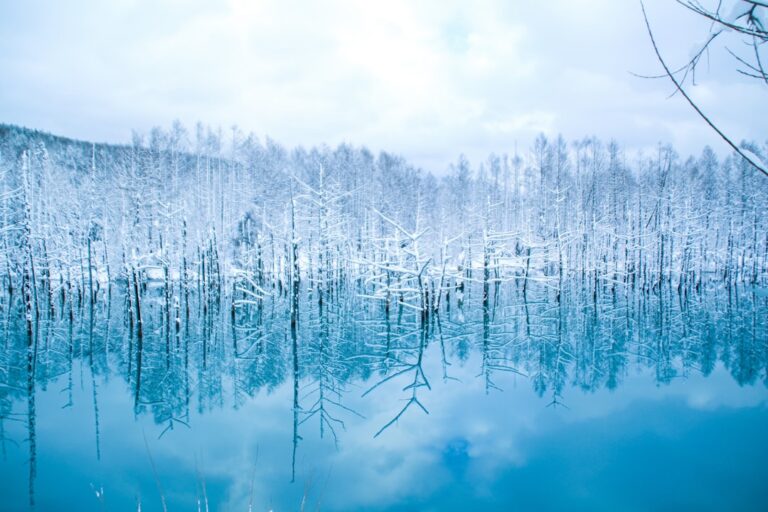
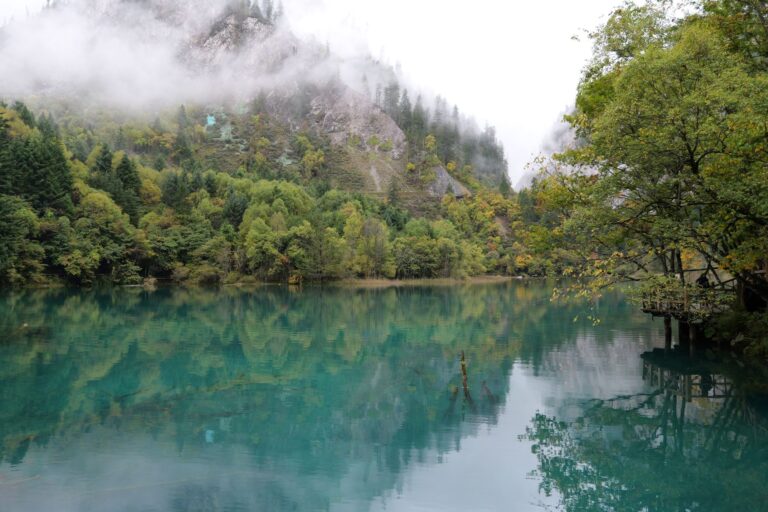
You’ll want to spend at least one full day hiking the Shiretoko Five Lakes—but you’re going to do it differently than the tourists. Most visitors arrive at 9 a.m., pay for the guided bear-watch tour, and walk the elevated boardwalk in a group of 20, shuffling behind a ranger. You, on the other hand, will arrive at 5 a.m., when the parking lot is empty and the fog is lifting off the lakes. The boardwalk is open from dawn, and you’ll have it almost to yourself. You’ll hear the birds waking up, see the mist curling over the still water, and watch a juvenile brown bear fishing along the shore of Lake One. This is the Shiretoko that the tour brochures don’t show you.
The boardwalk is a 1.6-kilometer loop that passes four of the five lakes, each one reflecting the mountain peaks like a mirror. You’ll take your time, stopping at each viewpoint, listening to the silence. By 7 a.m., the first guided groups will start arriving, and you’ll be heading back to your truck, satisfied that you’ve had the experience most visitors miss. If you want a longer hike, the trail to the summit of Mount Shiretoko is a full-day, 12-kilometer slog through alpine meadows and volcanic rock, with views of the peninsula from the top. But you’ll want to start that hike by 6 a.m. and be off the mountain by 2 p.m. to avoid the afternoon thunderclouds.
Kamuiwakka Falls at 7 a.m.
You can’t leave the Shiretoko Peninsula without experiencing Kamuiwakka Falls—a hot waterfall that cascades down a mossy rock face into a series of natural pools. The falls are located at the end of a rough, 4-kilometer gravel road that winds through a forest of giant firs and ferns. You’ll need your kei truck’s 4WD for this one, but it’s worth every jolt and bump. Park at the trailhead, then walk 10 minutes along a riverbed (expect wet feet) to the base of the falls.
The water temperature is around 40 degrees Celsius—warm enough to relax your muscles after a day of hiking, but not so hot that you can’t sit in it for 20 minutes. The water cascades down a series of rock ledges, creating a natural spa with a view of the forest canopy above. You’ll want to go early—7 a.m.—before the crowds arrive, and bring a waterproof bag for your clothes. Soak in the pool under the falls, letting the warm water beat against your shoulders, and listen to the sound of the river and the birds. This is the kind of experience that makes all the planning worth it: a geothermal bath in the middle of a UNESCO World Heritage site, with the forest rising around you and the sky visible through the trees.
Tea at the Summit Viewpoint
Your kei truck will climb the Shiretoko Pass in second gear, whining as it ascends the switchbacks that lead to the 738-meter summit. But the view from the top is worth the engine’s protest. To the north, you’ll see the Sea of Okhotsk stretching to the horizon, with the Kuril Islands barely visible on a clear day. To the south, the Shiretoko mountain range rises in jagged peaks, draped in the last snow of spring. Pull over at the summit viewpoint, park alongside the handful of other early risers, and walk to the edge of the cliff. The wind will be strong enough to push you off balance, but the panorama will make you forget about the cold.
This is the moment that most travelers miss because they’re in a hurry to get to the next attraction. But you’re not in a hurry. You have nowhere to be but here, in this truck, on this cliff, watching the clouds roll over the peaks. You’ll brew a cup of tea from the stove on the tailgate, let the steam warm your face, and think about how lucky you are to have slept under these stars the night before. The pass is closed in winter, but from late April through November, it’s your gateway to the wildest stretch of coastline in Japan.
The Milky Way Over the Five Lakes
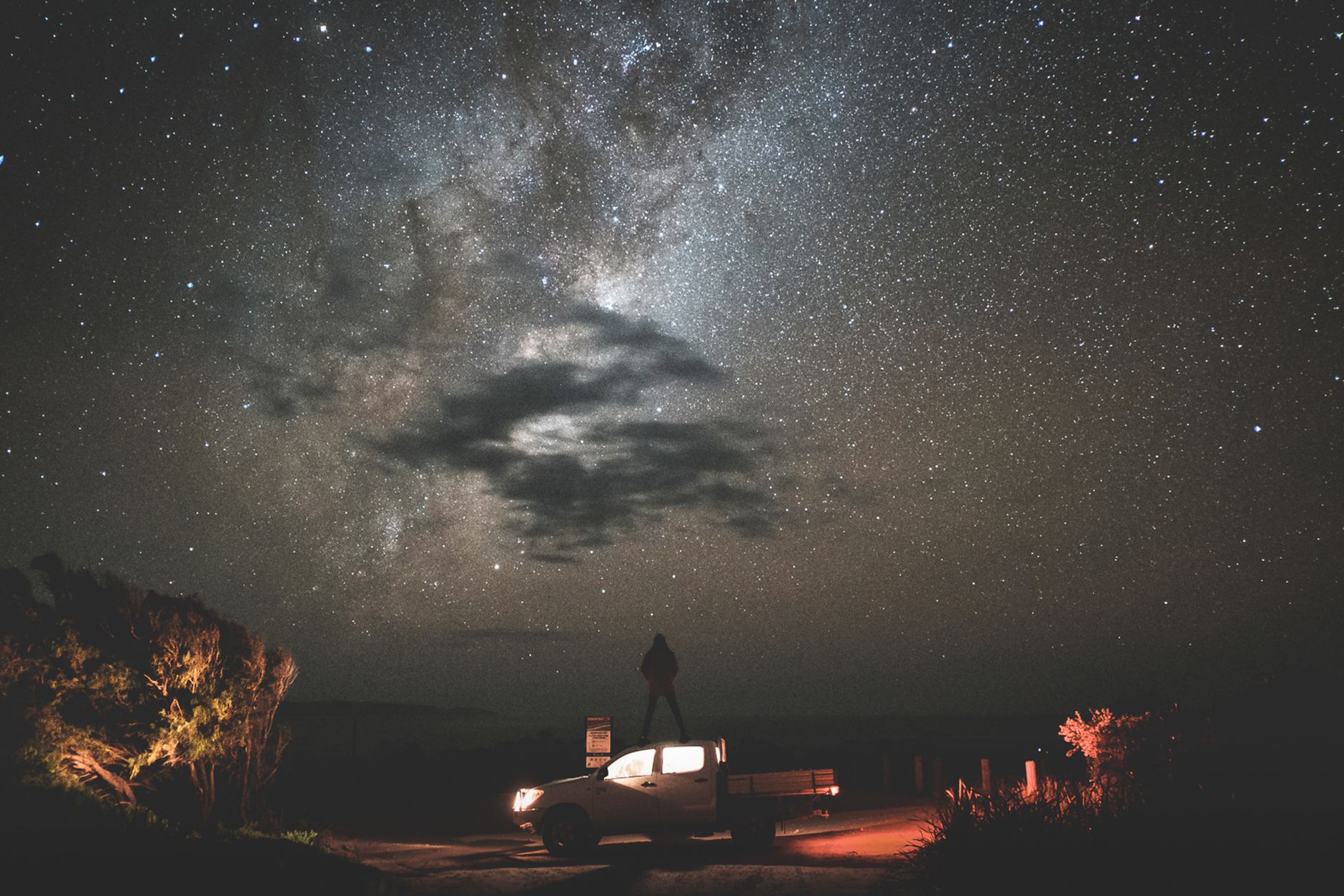
The Shiretoko Peninsula has one of the lowest levels of light pollution in Japan—rivaled only by the remote islands of Okinawa and the highlands of Hokkaido’s interior. On a moonless night, you can see the Milky Way with the naked eye, a river of stars flowing from horizon to horizon. The best place for stargazing is the pullout near the Shiretoko Five Lakes parking lot, where there are no trees to block the view and no other lights for miles. You’ll set up your camp chair, wrap yourself in a blanket, and watch the sky evolve.
Look for the constellations that are visible in the northern hemisphere: the Big Dipper, Cassiopeia, the North Star. But the real magic is the band of the Milky Way, which appears as a dense cloud of light, studded with brighter stars that seem close enough to touch. The silence is profound—broken only by the distant sound of waves and the occasional call of a fox. This is the kind of darkness that makes you feel small in the best possible way, a reminder that you are part of something vast and ancient. Bring a star map or an app on your phone, but don’t rely on it. Let your eyes adjust, and you’ll see more than you ever expected.
4:15 a.m. Over the Okhotsk
Your final morning on the peninsula will be the one you remember. Wake at 4:15 a.m., when the first light touches the horizon. Unzip the tent and sit on the edge of the truck bed, feet dangling over the side. The air is cold and smells of salt and pine. Brew your coffee on the stove—a proper pour-over, with grounds from a local roaster in Abashiri—and watch the sunrise paint the sky in layers of pink, orange, and gold. The Sea of Okhotsk lies below you, still and grey, with a fishing boat chugging out to the morning catch. A brown bear mother and her two cubs amble along the beach, 200 meters away, paying no attention to you.
This is the payoff: a moment of perfect stillness, where the only responsibility is to drink coffee and be present. You didn’t wake up in a hotel with a buffet breakfast and a scheduled checkout time. You woke up in a truck that you drove yourself, to a view that you earned. The coffee tastes better because you made it over a propane flame, and the morning feels more profound because you slept under the stars. Pack up your tent, fold the bed down, and drive back to Utoro for a final bowl of miso ramen before heading south.
📷 Photos: Lachlan Ross (Pexels), Chris (Pexels)