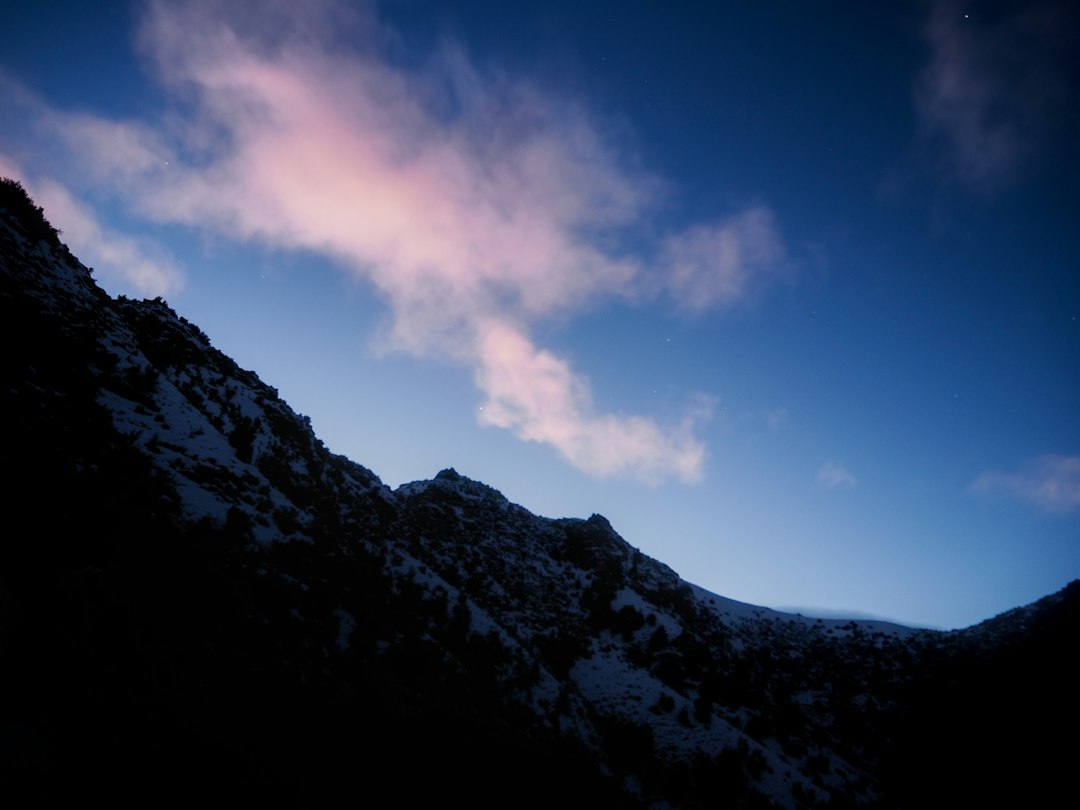
The first thing that happens on a dark sky tour above the Mackenzie Basin isn’t silence. It’s a small chorus of humans making involuntary noises — a low whistle, a “whoa,” someone whispering an expletive they didn’t plan to use in front of strangers. The guide has just switched off a torch pointed at the ground, and the sky does the rest. The Milky Way doesn’t look like the photographs here. It looks like weather, like something with weight, a bright torn seam running the length of the horizon.
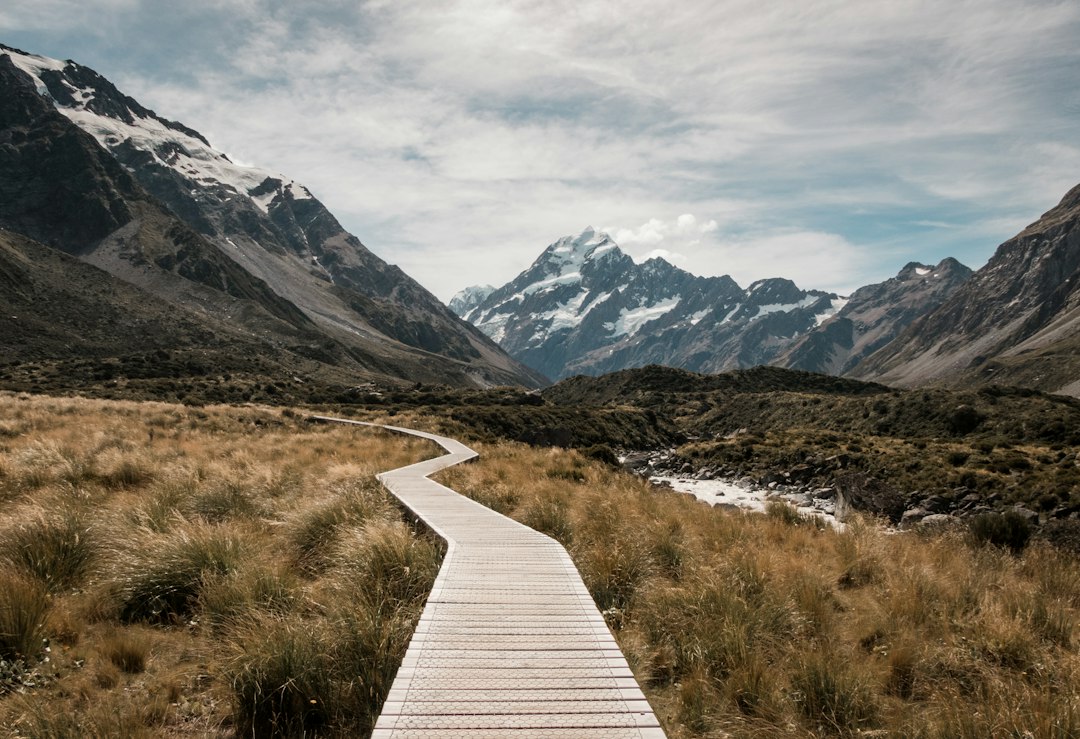
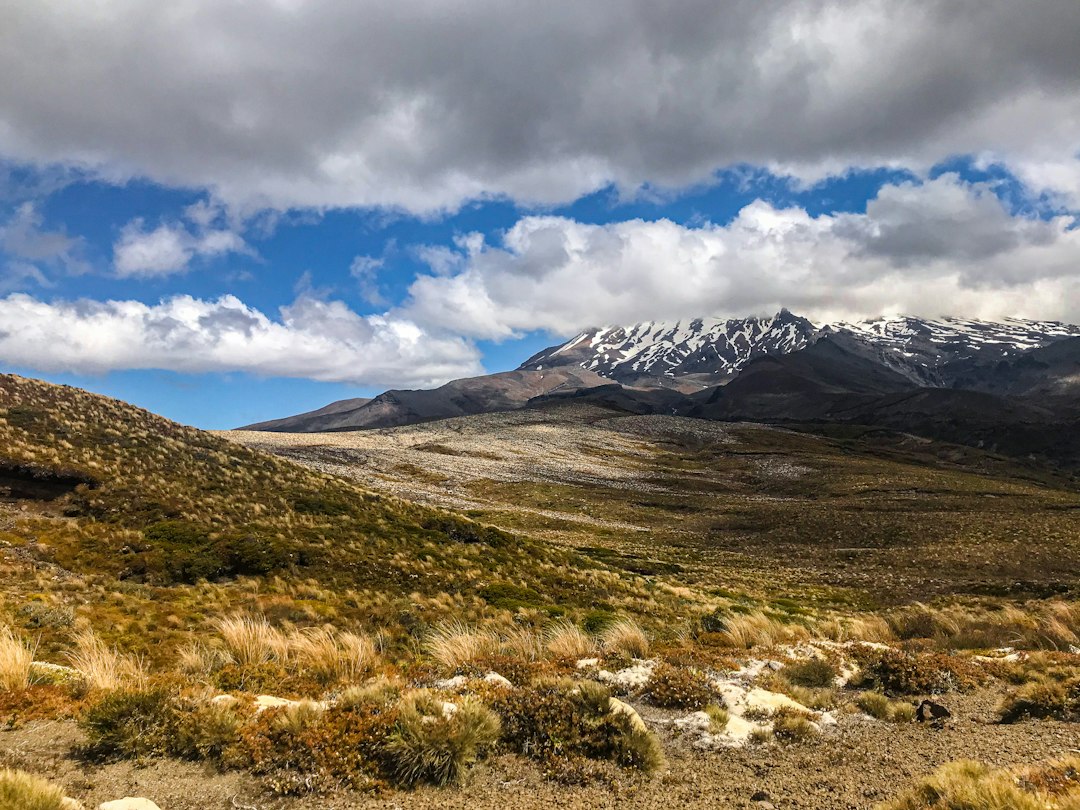
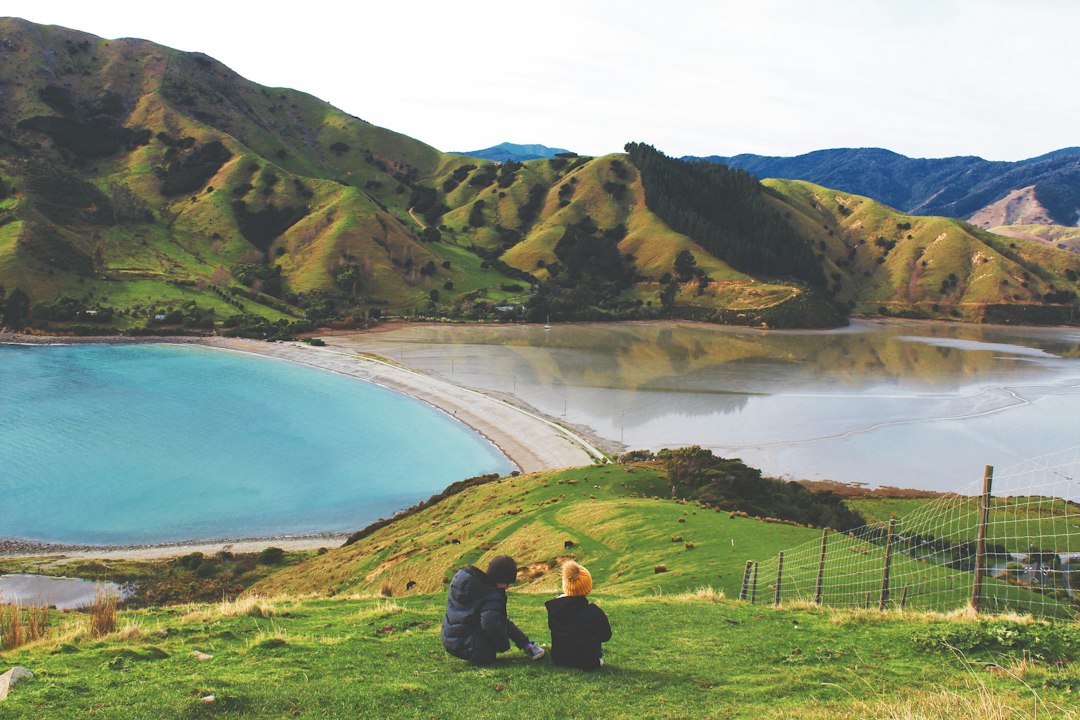
New Zealand has a way of making photographers rethink what they came for. The country is small enough to cross in a day and varied enough that a single afternoon can deliver black-sand coastline, mossy beech forest and a glacial river the colour of milk. But the experiences that reward a camera right now aren’t the ones on the postcard racks. They’re the ones with an expert standing next to you, or a boat rocking under your boots, or a long lens trained on a bird that has no intention of cooperating.
What follows is a scattered, non-definitive list — eight ways to point a camera at this country and come home with something that feels earned rather than collected. Not every one suits every traveller. Some cost serious money. A couple are nearly free. All of them are better with patience than with gear.
The Mackenzie Basin is the obvious place to start with the night sky, and the obviousness doesn’t make it wrong. The Aoraki Mackenzie region sits under one of the world’s most protected dark-sky reserves, and the tours that operate there range from a casual stargazing walk to a multi-hour session with a telescope. The better operators hand out tripods and teach the basics of long exposure before the sky is fully dark, so that when the light goes the fumbling is already done. The cold is the real subject. Even in summer, the Basin at night pulls heat out of the ground fast, and a clear night can leave fingers stiff inside gloves.
It’s the sound that stays. A group of maybe a dozen people standing in a paddock, breath fogging, and then a guide pointing out a satellite tracking silently across the top of the frame — a moving dot that ruins a thirty-second exposure if you catch it. Learning to time the shutter around passing satellites, and around the occasional passing tourist with a headlamp, is a strange and specific skill. The sky is not a still life. It’s traffic.
Not everyone needs the organised version. Public dark-sky reserves let self-guided photographers set up along informal pull-offs, and on a clear moonless night the results are equivalent. The guided tours mostly buy you knowledge, warmth and a telescope, which for a first-timer is a fair trade.
Down on the Otago Peninsula, the challenge flips from too little light to too much and too fast. The albatross colony at Taiaroa Head is the only mainland breeding colony of royal albatross in the world, and the birds arrive and depart on their own schedule, not the tour’s. A visit usually involves a walk to an observation point and then a wait — sometimes twenty minutes, sometimes most of an afternoon, sometimes long enough that you start negotiating with the weather, with the tide, with your own patience, and lose on all three — while the wind does what it wants. A wanderer’s wingspan runs close to three metres. Watching one come in to land is less a graceful glide than a controlled crash, all brakes and wobble and last-second correction.
The photography problem is speed. A bird that size moving that quickly eats a shallow depth of field, and the wind coming off the harbour keeps the tripod shivering. The guides know the nesting spots and which birds are likely to move; a few will point out the exact rock a returning parent is aiming for. A blue penguin colony operates nearby, and the evening viewing there is a quieter affair — small dark shapes waddling in from the surf at dusk, the flash ban strictly enforced, the whole crowd whispering like accomplices.
Milford Sound is the most photographed place in the country and also the one most likely to make a photographer feel like a fraud, because the frame is right there and everyone else has it too. The trick is to get off the big boats. Kayak operators run trips out into the fiord and let the scale do the work — a cliff face rising a kilometre above a paddle blade, waterfalls becoming visible as you get closer that weren’t there from the wharf. Rain doesn’t ruin Milford. It upgrades it. The temporary waterfalls multiply, the mist drifts through the beech, and the light turns a soft silver that no clear day can offer.
A small detail worth knowing: the drive in through the Homer Tunnel is its own experience, one lane, wet rock walls, and a sudden reveal at the far end that catches first-timers mid-sentence. Several tour drivers build a stop into the schedule precisely because passengers need it.
For a different kind of wildlife session, head north. Tiritiri Matangi, an island sanctuary in the Hauraki Gulf reachable by ferry, has been replanted and trapped to the point where birds that are rare or absent on the mainland are simply present — on the track, in the flax, sometimes close enough to fill a frame with a prime lens. The bellbird and tūī are loud and unbothered. The saddleback will follow a patient photographer along a path for a while, curious rather than shy. The island closes to day visitors on certain days and the ferry seats are limited, so the bookings matter more than the gear does.
What surprises many visitors is how much of the good work happens in the margins. A muddy track, a bench at a lookout, a picnic table where a tūī decides to land. The photographers who come back with the memorable shots often aren’t the ones with the biggest lenses but the ones who sat still the longest.
Rotorua offers the opposite discipline — shooting through steam. The geothermal fields around the city produce an atmosphere that changes by the minute, and the light that filters through sulphur haze at midday has a foreign, yellowish quality that no filter replicates. The challenge is exposure: bright sky, dark ground, drifting vapour that tricks a meter. Photographers who visit often come away with a new respect for bracketing. The smell — hard-boiled egg and wet stone — follows clothing for the rest of the day.
For landscape work with a bit of drama, the West Coast delivers weather as subject rather than backdrop. The road south of Greymouth runs past beaches where the surf hits black sand and the bush comes down almost to the waterline, and a good day is one where the rain is intermittent enough to work between showers. A rain jacket that actually keeps water out and a lens cloth in every pocket matter more here than any lens you own. The reward is a coastline that looks slightly wrong in a way that’s hard to look away from — dark sand, white foam, dense green, a low grey ceiling.
Somewhere in the middle of all this sits a quieter experience that many photographers don’t plan for and then can’t stop talking about. The Catlins, in the far south, is a stretch of coast and forest with few formal attractions and a great deal of atmosphere. A short walk leads to a waterfall with a cave behind it; the path to it crosses tree roots slick with spray. Another leads to a beach where the tide reveals fossilised forest — stumps worn smooth, still rooted where the trees fell. There’s no queue and no viewing platform. You turn up, you wait for the light, and you work.
The thing that ties most of these together isn’t really the subject. It isn’t the gear either, whatever the camera ads would have you believe. It’s the waiting — for a bird, a gap in the cloud, a satellite to clear the frame, the tide to turn. A guide on the Otago Peninsula, Renata, put it plainly between gusts while the group watched an empty patch of sky: “People think the tour is about the animals. But it’s really about learning how long you’re willing to stand still. I mean — the ones who give up after ten minutes never see anything.” She said it without ceremony, then went back to scanning the cliff with binoculars.
A better camera helps less than most people expect. A pair of warm socks, a waterproof bag for the gear, and a willingness to stand in the cold for an hour past the point where it stopped being fun will get you further. The souvenir shops sell postcards of all of it. The photographs worth keeping are the ones you waited for.

📷 Photos: Samuel Harrington (Unsplash), Anthony Gomez (Unsplash)