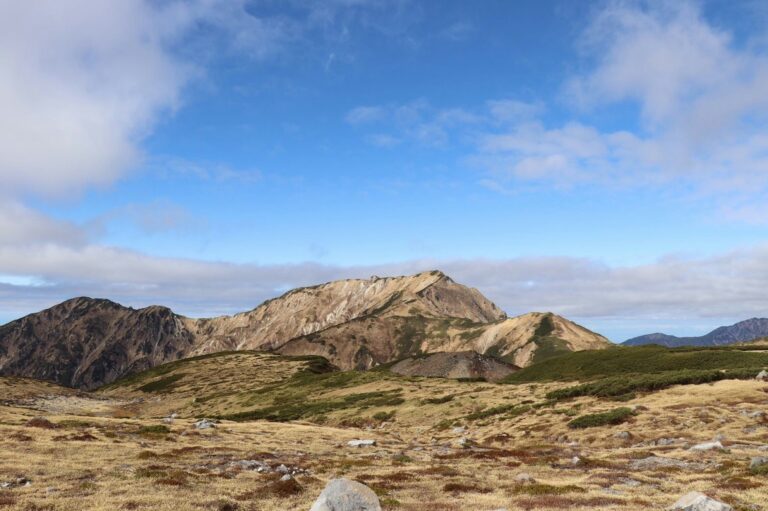
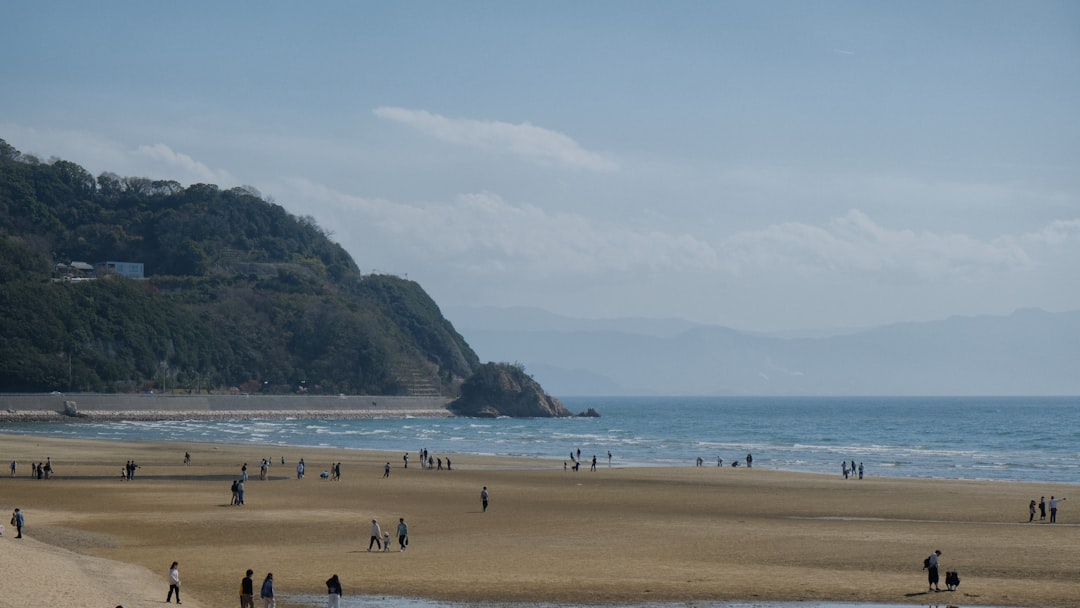
The Van’s Side Mirror Kissing a Limestone Cliff
The first time you round a blind corner on Shikoku’s southern coastline and find your van’s side mirror kissing a limestone cliff while the Pacific crashes forty feet below, you’ll understand why most rental agencies politely suggest you stick to the island’s highways. Ignore them. The real Shikoku lives on the prefectural roads that thread through fishing villages so small they don’t appear on GPS maps, where the asphalt narrows to a single lane and the only thing guiding you is the occasional moss-covered mirror bolted to a rock face. You’ll develop a sixth sense for oncoming traffic by the third day—a certain rhythm to the engine noise echoing off the cliffs, a shift in the light as another van approaches from around a bend that you swear is impossible to negotiate at any speed above a crawl. But it’s exactly this tension, this dance between your vehicle and the landscape, that unlocks the island’s best-kept secret: the onsens that sit where the road ends and the tide begins.
Most visitors to Shikoku head straight for the well-known pilgrimage temples or the urban sprawl of Matsuyama and Takamatsu. They book ryokans with curated onsen experiences, complete with infinity pools overlooking manicured gardens and laminated menus of organic sake. You, in your rented campervan, are after something more elemental. At the southeastern tip of the island, near the town of Muroto, there’s a stretch of coast where the Kuroshio Current brings warm water up from the tropics, and where local fishermen have maintained a series of rough-hewn hot spring pools for generations. No signs mark the turnoff. No parking lots announce your arrival. You’ll know you’re close when the road surface changes from asphalt to crushed oyster shell, and when the air shifts from the scent of pine to the unmistakable mineral tang of hydrogen sulfide and salt spray. Pull over where you can—the shoulder is rarely more than a van’s width—and follow the well-worn path through the coastal scrub. The pools themselves are simple affairs: concrete-lined depressions in the rock, fed by a bamboo pipe that trickles water straight from the geothermal spring, and emptied by the high tide twice a day. You’ll be sharing them with no one but the occasional octopus fisherman hauling his traps, and the water temperature will fluctuate by a good ten degrees depending on where the tide sits. It’s not luxurious. It’s perfect.
The logistics of this kind of exploration require a specific kind of van that most Japanese rental companies don’t advertise. The standard camper you’ll find in Tokyo or Osaka is a boxy high-top affair designed for the country’s well-maintained expressways—comfortable, yes, but wide enough that you’ll be holding your breath every time a dump truck passes on the coastal roads. What you want instead is a kei-class camper, the tiny vans that Japan reserves for its narrow rural lanes. These are the vehicles the locals use, with engines just under 660cc and bodies narrow enough to squeeze past a stray dog on a mountain road. They’re not fast—you’ll crest hills at forty kilometers per hour if you’re lucky—but they’re nimble, and when you encounter one of those impossibly tight hairpins that switchback up from a fishing harbor, you’ll be grateful for the short wheelbase. Rental companies in Osaka occasionally have these in their fleet, though you’ll need to inquire specifically and book months ahead. The trade-off is space: you’ll sleep in a pop-top roof tent rather than a proper cabin, and your kitchen will consist of a single-burner butane stove that you’ll set up on the tailgate. But you’re not here for comfort. You’re here for the mornings when you wake up in a pull-off overlooking the Kii Strait and can step directly from your sleeping bag into a natural hot spring that’s been flowing since before the first temple was built on this island.
The coast of Shikoku is deceptive on a map. What looks like a simple drive from Cape Muroto to the city of Kochi—maybe two hours on paper—will take you the better part of a day when you factor in the road conditions and the number of times you’ll stop to investigate a path that disappears into the trees. This is where the van becomes your base camp in a way that no hotel could replicate. You’ll learn to read the topography: where the hillside flattens into a terrace, there’s likely a spring; where the vegetation shifts from coastal scrub to bamboo grove, there’s a stream feeding into the ocean. One afternoon south of the village of Shishikui, you’ll spot a narrow track that descends toward the water, barely visible between two overgrown citrus trees. The track is steep enough that you’ll need to engage your van’s low gear and hope the gravel holds. At the bottom, you’ll find a small clearing with a thatched shelter, and beneath it, a simple wooden tub fed by a hose from a hot spring that surfaces in the middle of a tidal pool. The water is milky with silica, and when you lower yourself into it at sunset, the rising steam will mix with the sea mist to create a kind of private fogbank that obscures the coastline for miles. You’ll stay until the stars come out, and when you climb back into your van, your skin will feel like it’s been polished by pumice.
Seasonality matters on this coast in a way that most guidebooks don’t adequately capture. Summer brings typhoons that can close the coastal roads for days, leaving you stranded in a village with one convenience store and a vending machine that sells warm coffee. Winter, on the other hand, offers the most dramatic onsen experiences: the contrast between freezing sea air and scalding mineral water is what these springs were designed for. But you’ll need to be prepared for the cold nights. Your van’s heater will struggle once the temperature drops below freezing, and you’ll find yourself wearing thermal layers to bed and waking up to frost on the inside of your windows. The solution most local drivers use is a kerosene heater, which you can buy at any hardware store in Kochi for about the cost of a decent dinner. It’s not elegant, but it’s effective, and there’s something deeply satisfying about brewing morning coffee on your butane stove while the heater ticks away in the corner and the sunrise paints the sea red. Spring and autumn are the sweet spots: the roads are dry, the temperatures are mild, and the crowds haven’t yet arrived. October is particularly fine, when the autumn foliage colors the hillsides and the fishing villages hold their harvest festivals. You’ll find yourself invited into a local’s home for grilled bonito and homemade shochu more times than you can count, simply because you’re driving a kei camper and they recognize a kindred spirit.
The coastal roads themselves demand a different driving philosophy than what you’re used to. The Japanese concept of “sōshin”—a kind of attentive, flowing awareness—applies perfectly here. You won’t make good time, and you shouldn’t try. Instead, you’ll develop a rhythm: accelerate through the straightaways, brake early for the blind curves, and always, always assume an oncoming vehicle is just around the next bend. The locals drive these roads at speed, but they know every dip and camber; you don’t. Let them pass you, and they’ll thank you with a wave as they disappear around the next corner. The real danger isn’t the other cars, anyway—it’s the wildlife. Boars, deer, and the occasional wild goat will step onto the road without warning, and your van’s small brakes will not stop you fast enough if you’re going too quickly. Keep your speed under fifty kilometers per hour, and you’ll be fine. Also watch for the fallen rocks that litter the road after a rainstorm; they’re usually small enough to drive over, but a sharp one can puncture your oil pan, and there are no tow trucks within fifty miles of most of these roads.
The beach onsens themselves are part of a longer tradition that predates the temple pilgrimages for which Shikoku is famous. Before Buddhism arrived, the island’s geothermal springs were considered portals to the spirit world, and bathing in them was a purification ritual reserved for shamans and those preparing for sacred journeys. Today, you’ll still sense that older layer of meaning when you sit in a pool cut into the volcanic rock, watching the waves roll in and feeling the heat rise from the earth beneath you. There’s a particular onsen near the town of Tosa that requires a short hike through a coastal forest to reach. The trail is marked only by faded red ribbons tied to tree branches, and at one point you’ll need to cross a suspension bridge that sways alarmingly over a rocky gorge. The pool at the end is built into a natural rock shelf that extends into the ocean, and the hot spring water mixes with the sea at the edge, creating a warm current that you can float in while looking down at the fish swimming below. It’s not maintained by anyone—the local municipality has deemed it too dangerous to officially recognize—so the water quality depends entirely on how recently it rained and whether the tide has washed away the algae. That’s the point. You’ll have it to yourself, and you’ll leave feeling like you’ve discovered something that should have remained hidden.
Navigation requires a willingness to get lost. Your phone will lose signal as soon as you leave the main highway, and the paper maps you can buy at convenience stores are notoriously imprecise about the smaller roads. The best strategy is to use the coastline as your guide: keep the ocean on your left as you drive south, and on your right as you head north, and you’ll eventually find your way to any fishing village on the map. When you need to find a specific onsen, ask at the local general store or, better yet, at the fish market that sets up each morning on the dock. The old men who clean the morning catch know every path, every spring, every spot where the water runs just hot enough to soak in. They might not speak English, and your Japanese might be limited to arigato and sumimasen, but a few words and a friendly smile will get you directions to places no website has ever listed. One morning in a village called Oki, a fisherman drew a map on a napkin showing a hot spring that required wading through a sea cave at low tide. It took three hours searching before finding it, and when the cave opened into a cathedral-like chamber where the hot water pooled on the sand and the light filtered through a hole in the ceiling, the tide began to rise again. The exact location remains unshared.
Your van will become your sanctuary in ways that surprise you. After a long day of driving and soaking, you’ll pull into a designated roadside station—the michi-no-eki that dot the coast—and park alongside the other travelers. These stations are designed for Japanese road trippers, with clean restrooms, vending machines, and often a small market selling local produce and prepared foods. You’ll learn to love them: the one in Ainan has a steaming counter where you can buy croquettes made from local shrimp; the one in Shimanto offers free hot water for your instant noodles; the one in Uwajima has a footbath where you can soak your tired feet while watching the ferries come in. You’ll also learn the etiquette of communal sleeping: park with your exhaust facing the road, keep your curtains drawn after dark, and never run your generator after nine in the evening. The other travelers will respect you if you respect them, and you’ll find yourself exchanging tips with families from Tokyo and retired couples from Hokkaido who have been exploring Shikoku in their campers for decades. These conversations, conducted in broken Japanese and lots of hand gestures, will lead you to onsens and viewpoints that no guidebook has ever documented.
The final stretch of the journey takes you around Cape Ashizuri, the southernmost point of Shikoku, where the cliffs drop hundreds of feet into the Pacific and the wind never stops blowing. The road here is the narrowest you’ll encounter—in places, the pavement is barely wider than your van, and the guardrails that should protect you from the drop have long since rusted away. But it’s also the most rewarding. On the western side of the cape, tucked into a cove that’s invisible from the road, is an onsen so remote that it’s not listed on any map. You’ll find it by following a stream that cascades down the cliff face, and at the bottom, you’ll discover a series of pools carved into the bedrock, each one at a different temperature depending on its distance from the waterfall. The water here is so rich in minerals that it stains the rocks orange, and when you sit in the hottest pool, the steam mingles with the sea spray to create a mist that obscures the horizon. You can see whales from here in winter, and in summer, the flying fish leap across the surface of the water. You’ll soak until your fingers wrinkle, then climb back to your van and drive on, the salt and sulfur still clinging to your skin, knowing that this stretch of coast holds secrets you’ll never exhaust in a single lifetime.

📷 Photos: erika m (Unsplash), erika m (Unsplash)