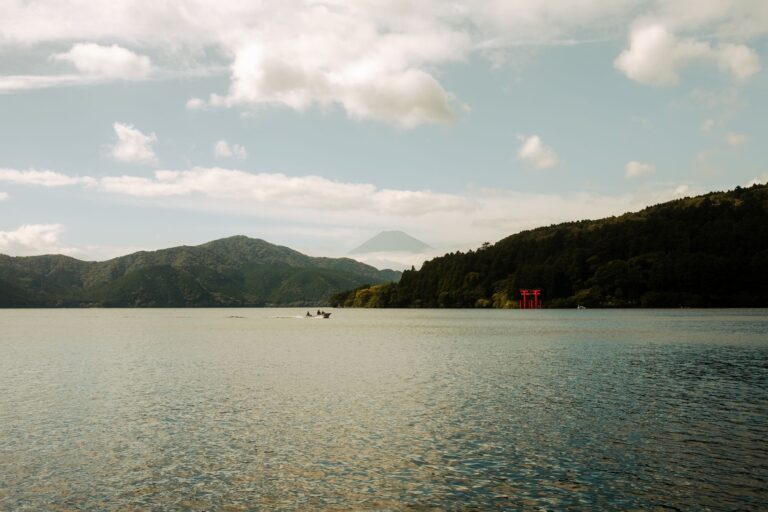
Murodo at Dawn: Thin Air and Milky Water
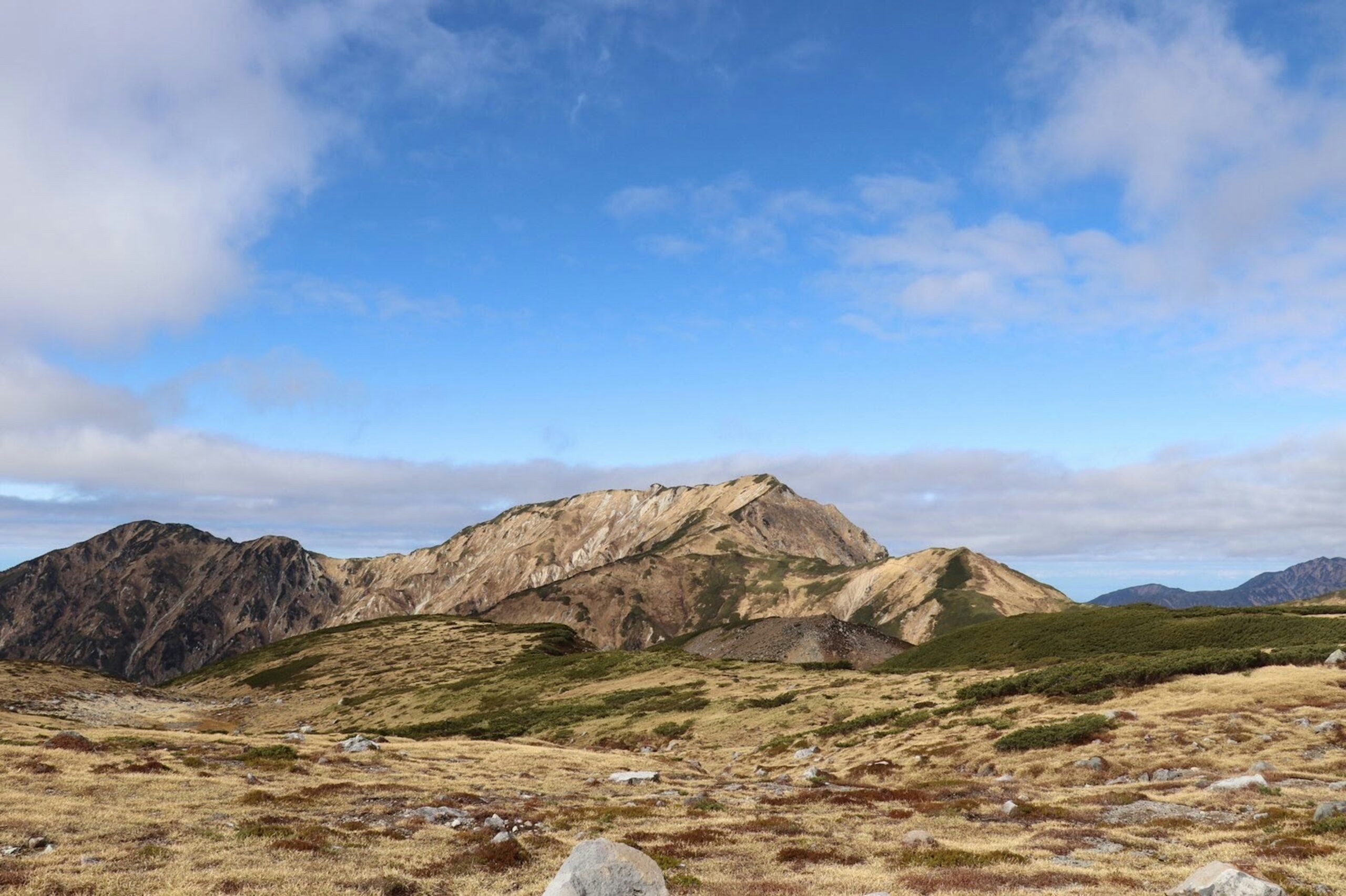
The Tateyama Kurobe Alpine Route’s most thrilling chapter is a four-day traverse from the volcanic moonscape of Murodo to the river-carved valley of Kamikochi, with hot springs as the reward at every turn. The cable cars and tunnel buses are traded for trail dirt underfoot, and the payoff is a rhythm that feels ancient: walk until the muscles ache, then soak until they remember they belong to the body. The Japanese Alps challenge with scree slopes, sudden weather shifts, and views that make the breath catch. But the path ahead is written in steam rising from a thousand volcanic vents.
Murodo sits at 2,450 meters, and the air hits cool even in summer. The first night at Murodō Onsen is a no-frills mountain lodge that offers a real soak before the serious walking begins. The water is milky white, rich with minerals, and the open-air bath faces the stark, black slopes of Mount Tateyama. Other hikers are present, but the silence after dark is absolute, broken only by the wind skimming the ridgeline. Sleep early. The first full day starts before dawn, and the trail to the Tengudaira hut is a rocky, exposed traverse that rewards with a sunrise painting the entire mountain range in gold and rust. Snow patches linger even in July, and the path narrows enough that the drop registers on both sides of the boots.
Goshiki-ga-hara: Marsh Pools and Sulfur Steam
By midday, the elevation drops toward the Dakekanba refuge, and the landscape shifts from lunar to alpine in a matter of kilometers. Dwarf pine replaces bare rock; the first trickle of meltwater runs off the peaks. A bento box of rice and pickled vegetables at the hut is simple, but the best meal in months because of the walking. The afternoon stretch crosses the Korudaira plateau, a high, undulating plain where the only sounds are the crunch of boots on volcanic gravel and the distant call of a hawk. The Goshiki-ga-hara marshlands appear by late afternoon, a brilliant green expanse dotted with pools of cobalt blue. The light filters through thin cloud, forcing stops every few minutes just to watch it change.
The second night belongs to Goshiki-ga-hara Onsen, a backcountry gem that feels like a secret stumbled upon. The onsen is a simple wooden structure with a single indoor bath and an outdoor rotenburo overlooking the marsh. The water is clear, hot, and smells faintly of sulfur—the good kind. The bath is shared with maybe four or five other hikers, all wearing the same dazed expression of exhaustion and contentment. Dinner is communal: hot pot with mountain vegetables, tofu, and thin slices of pork, served in a low-ceilinged dining room where conversation is soft and in multiple languages. The futon is surprisingly comfortable; the rain wakes the sleeper on the roof. You always wake on the roof.
Mount Yari Appears Like a Spear
Day three is the longest push: sixteen kilometers from Goshiki-ga-hara through the Yarisawa Valley to the base of Mount Yari. An early start is necessary because the weather in this section can close in fast, turning a clear morning into a whiteout by noon. The trail follows a river through a sheer-walled gorge, walking on a mix of forest floor and loose rock for much of the morning. The grade is steady but not punishing, passing through stands of birch and larch that filter the light into a soft, green glow. Around midday, the trail breaks out into a wide, boulder-strewn basin where Mount Yari suddenly appears above like a spear thrust into the sky. Every hiker talks about this moment—the one that makes the strain of the previous days dissolve. The trail gets blocked for a full minute of staring.
The afternoon takes the path past the Yarisawa Lodge, where water bottles can be refilled and a can of cold coffee bought from a vending machine that feels absurdly out of place. The climb gains elevation steadily, the legs reminding of the considerable ground already covered. The path winds along the river’s edge, crossing twice on narrow wooden bridges that sway. The aim is the Yari-ga-take Onsen at the base of the peak, and arriving feels like walking into a postcard. The onsen is built into the mountainside, with an outdoor pool fed directly by a hot spring and surrounded by angular rock formations. The soak stares up at the north face of Mount Yari, steam rising like a curtain. This is not luxury in the hotel sense—it is luxury in the pure, elemental sense: heat on the skin, stone beneath, and a mountain above that doesn’t care about plans.
Across the dining room that evening, a hiker from Osaka, a retired schoolteacher on her fifth crossing, puts it plainly: “The first time I did this, I didn’t sleep at all the night before the last day. I was too worried about the descent. Now I know—the descent is where the trail gives you something back.” She pauses, stares into her tea. “Or maybe it just takes something different, something like that.”
Kamikochi: River Fish and the Bus Home
The final day is the shortest but the most dramatic: a descent from the Yari-ga-take Onsen into the Kamikochi valley, a six-kilometer drop from high alpine terrain through dense forest to the flat, open meadows of the Azusa River. An early start again, and the first hour is a steep, rocky descent requiring careful footing and occasional use of the hands. The views behind are worth stopping for: Mount Yari receding as the elevation drops, the ridges unfolding like a topographic map in real time. The vegetation changes—first dwarf bamboo, then rhododendron thickets, then full-sized beech and oak forming a canopy overhead. The air grows warmer and more humid, and the smell of earth and river arrives long before the sight.
By late morning, stepping out of the forest and onto the Kamikochi trail network, the scale of the place hits. The valley stretches wide and flat, the Azusa River running clear and cold through the center, the peaks of the Hotaka range rising on all sides like cathedral walls. Gravel paths are well-maintained and busy with day-trippers. A dozen onsen options exist in Kamikochi, from basic public baths to resort-style facilities. The Kamikochi Onsen is a large, modern facility with an outdoor rotemburo overlooking the river. The water is alkaline and silky, and one can sit for as long as desired, watching the light shift across the valley as the afternoon deepens.
A bus takes hikers out of Kamikochi back to civilization, but there is no need to rush. A night at one of the valley’s lodges or hotels—some with private in-room baths, others with shared facilities—keeps the communal spirit of the trail alive. The food is a cut above the last three days: fresh river fish, soba noodles, and locally brewed sake in a quiet beer garden as the sun sets. A map unfolded on the table traces the line walked—it feels both impossible and inevitable. The trail crosses an alpine divide, soaking in water older than memory, sleeping on a mountain that has no regard for a schedule. The map gets folded and tucked away, the bus arrives, and the road back to the lowlands begins. The sake glass sits empty on the beer garden table, the last taste of the mountains still on the tongue.