Why Singapore’s Late-Night Speakeasy Crawl Is the City’s Most Underrated Nightlife Move
Why Singapore’s Late-Night Speakeasy Crawl Is the City’s Most Underrated Nightlife Move
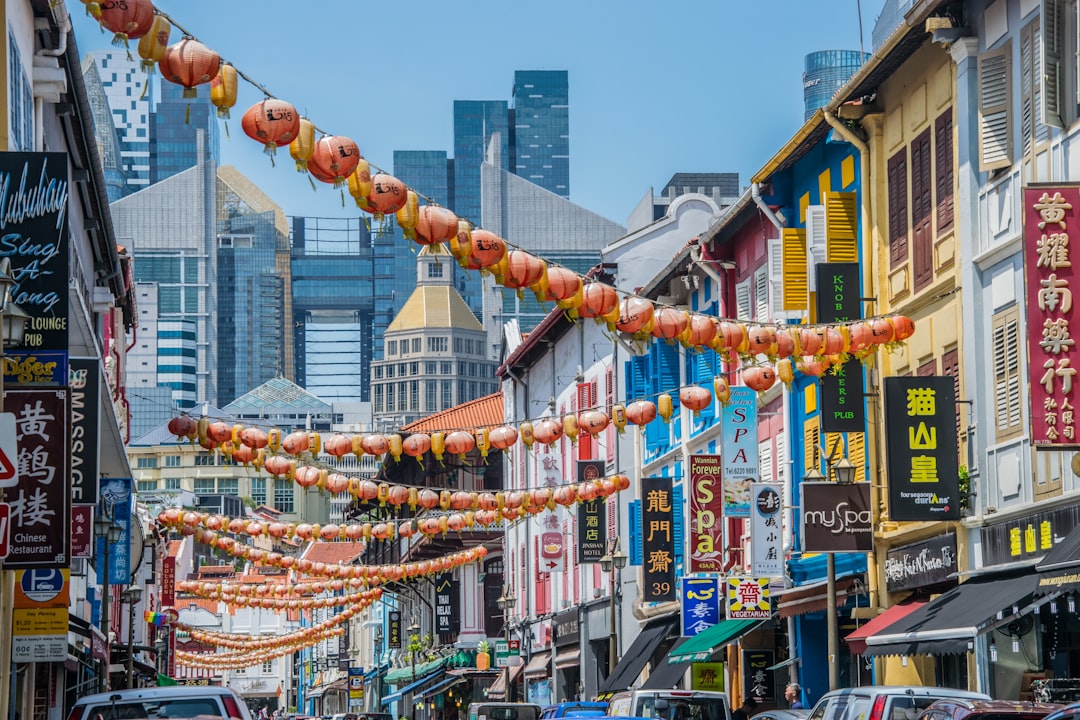
You’ve been to Singapore for the hawker centers, the Gardens by the Bay, and maybe even the rooftop bars with skyline views you can set your watch by. But have you ever chased the last pour at a hidden Chinatown speakeasy, knowing the morning cleanup crew will wash away the evidence of your night before you even hit the pillow? There’s a specific magic to this after-hours ritual—part adventure, part indulgence, and entirely yours to discover. “What makes Chinatown’s speakeasy scene so rewarding is that it rewards the curious traveler,” says Louisa Tan, a Singapore-based travel and nightlife guide. “You’re not just going for a drink; you’re unlocking a hidden layer of the city that most visitors—and even some locals—never get to see.”
The Barber Chair That Leads Somewhere Else
Map the Hidden Entrances
Before setting out, a visitor needs to get familiar with the geography of Chinatown’s back alleys and shophouse corridors. These speakeasies don’t advertise with neon signs—they’re tucked behind unmarked doors, inside faux barbershops, or down staircases that look like they lead to storage. “The beauty is that you’ll feel like a detective, but you need to do your homework first,” says Tan. “Study the Instagram accounts of the bars you’re targeting—they often post cryptic clues about their entrances. You might also ask your hotel concierge, but be specific: ask for ‘hidden bars in Chinatown,’ not just ‘nightlife.'” She adds that arriving early, around 9 p.m., before the crowds build, lets a visitor actually enjoy the discovery without a line.
A visitor should also consider how many venues can realistically be hit in one night. Most speakeasies here are small, with seating for maybe 20 to 40 people, and the experience is meant to be savored slowly. “I’d recommend three to four stops maximum,” says James Pereira, a cocktail consultant and former bar manager who has helped open several of these hidden venues. “If you try to do more, you’ll spend half the night walking between doors and waiting for a seat. Instead, choose two or three that interest you most and really linger at each—that’s where the serendipity happens.”
Check the Closing Times—and the Cleanup Rhythm
Singapore’s nightlife operates under a specific regulatory clock that catches many visitors off guard. Most bars in Chinatown close between midnight and 1 a.m. during the week, with a slightly later last call on Fridays and Saturdays—usually around 2 a.m. But a few holdouts push later, often until 3 or even 4 a.m., especially near Club Street and Ann Siang Hill. “You’ll want to verify closing times on each bar’s social media before you go, because they can change seasonally or for private events,” advises Pereira. “Also, remember that the morning cleanup crews start their rounds around 5 a.m., washing down the streets and clearing bottles. If you’re still out at that hour, you’ll see a different Chinatown—quiet, empty, and almost meditative.”
This timing also affects a visitor’s exit strategy. The last MRT trains run around midnight, so for a late night, a taxi or ride-hailing service is necessary. “Factor in waiting time—especially around 2 a.m., when everyone else is leaving too,” says Pereira. “If you’re aiming to be one of the last people at a speakeasy, you might be walking home, so comfortable shoes are non-negotiable.”
Gula Melaka in a Low Ceiling Room
Start with a Classic: The Speakeasy Behind the Barber Shop
One of the most iconic entry points in Chinatown is a bar accessed through what looks like a working barbershop on Keong Saik Road. A visitor pushes past the vintage barber chairs and a display of hair products, then opens a hidden door at the back. Inside, the space is dimly lit with brass accents and leather banquettes, and the cocktail menu leans on classic recipes with local twists. “This is the sort of place where the bartender will ask you what you’re in the mood for and build you a custom drink,” says Tan. “It’s a perfect first stop because it sets the tone—mysterious, but not intimidating. You’ll feel like you’ve discovered a secret, but everyone around you is in on it too.”
Here, ordering something with a Singaporean ingredient—pandan, calamansi, or gula melaka—makes sense. “These bars pride themselves on incorporating local flavors without being gimmicky,” Pereira notes. “A gula melaka old fashioned or a pandan sour is a genuine expression of the culture, not just a tourist novelty.” Sip slowly, take in the atmosphere, and don’t be afraid to ask the bartender for recommendations for the next stop.
Move to a Rooftop Speakeasy for a Change of Pace
After the first intimate encounter, a shift in gears is in order. A handful of Chinatown speakeasies have rooftop or balcony access, offering a view of the shophouse rooftops below. One tucked-away spot near Telok Ayer Street has a tiny door disguised as a utility closet that opens onto a ladder leading to a rooftop bar with just four tables. “The contrast is what makes it work,” says Tan. “You go from a low-ceilinged, cave-like room to open air and stars—it resets your energy for the next round.” Booking ahead is necessary, as these spots fill up fast, and requesting a table with a view of the skyline, not just the street, is worth it.
Pereira suggests ordering a lighter cocktail here—something with gin or sparkling wine—to keep the palate fresh. “After a heavy, spirit-forward drink at your first stop, you don’t want to overwhelm your senses. A crisp, citrusy cocktail with a bit of effervescence will prepare you for the next venue without dulling your taste buds.” This stop also serves as a breather—snap a photo, let the cool night air clear the head before plunging back into the noise.
The Bookcase on Bukit Pasoh
For the final stop, a place that stays open until the last possible moment and doesn’t rush patrons out is ideal. One venue, hidden behind a bookcase in a shophouse on Bukit Pasoh Road, features live jazz or soul music from around 11 p.m. until close. “This is the kind of bar where the staff recognize regulars and the music drowns out the outside world,” says Pereira. “If you’re there until 3 a.m., you’ll watch the band pack up, the bartender start polishing glasses, and eventually, you’ll hear the trash trucks rumbling outside. That’s the signal that your night is done.”
Here, order a nightcap—something digestif-adjacent, like a boulevardier or a smoky mezcal drink. “Don’t be afraid to ask for something off-menu,” Tan advises. “The bartenders at these late-night dives are often the most creative. They’ve been making the same classics all night, so they’ll welcome a challenge. Tell them what you’ve had earlier and what you’re craving now, and let them surprise you.” As the drink finishes, take a moment to watch the city transition from night to day—the quiet chaos of a street corner that minutes earlier was full of voices.
Kopi-O at 1 a.m.
Plan Your Hydration and Fuel
Between speakeasy stops, energy needs to be kept up. Chinatown’s late-night food options are surprisingly robust, with a few hawker stalls and coffee shops staying open past midnight. “I always recommend a stop at a nearby kopitiam for a kaya toast and a kopi-O halfway through the night,” says Tan. “It’s a palate cleanser and a blood sugar booster. You’ll walk into your next bar feeling refreshed, not tipsy.” Carrying a water bottle is also smart—many speakeasies will refill it if asked.
Pereira agrees: “Alcohol hits harder in Singapore’s humidity, especially if you’re coming from a cooler climate. Make sure you’re eating something substantial before you start—maybe a bowl of laksa or chicken rice—and then keep snacking throughout the night. A hungry drinker is a sloppy drinker, and these venues are about precision, not excess.”
Hire a Guide or Go Solo?
Whether to book a guided nightlife tour of Chinatown’s speakeasies depends on comfort level and desire for lore. “A good guide can tell you the history of each door, the story behind the cocktail list, and even get you into places that are technically ‘members only,'” says Tan, who has led such tours herself. “But if you’re the type who likes to wander and discover, you’ll get just as much joy from stumbling into a bar yourself. There’s no wrong approach—just know your own style.”
If going solo, having a backup plan for each stop is wise. “Always have a second or third choice in mind, because even the best speakeasies close for private events or hit capacity,” Pereira notes. “I’ve seen couples walk 20 minutes to a bar only to find a line out the door. Don’t let that derail your night—stay flexible and keep exploring.” Apps like Google Maps or local bar directories can check real-time busyness, though Pereira warns that apps don’t always know about hidden entrances, so trust instincts and the clues gathered.
When the Crawl Doesn’t Fit the Night
Not every evening is suited for a Chinatown speakeasy crawl. If traveling with a group that prefers loud clubs or if on a tight schedule, the hidden-bar route might feel frustrating. “The speakeasy experience is about intimacy and patience,” says Tan. “If you’re in a hurry or you’re with people who get impatient waiting for a seat, you’ll all be miserable. Save this for a night when you have nowhere to be and nothing to prove.”
Similarly, if nursing a hangover from the previous day’s adventures, skip the heavy drinking and instead visit the speakeasies during their earlier, quieter hours—around 6 p.m. to 8 p.m.—when the ambiance can be enjoyed with a mocktail or a light beer. “The architecture and the interiors are worth seeing even if you aren’t drinking,” Pereira says. “Some of these spaces are converted opium dens or old Chinese medicine halls. The design alone is a story.”
So map the route, book the key stops, and let the night unfold. The cleanup crew will arrive eventually, but for now, there’s still one more door to find, one more drink to order, and the quiet street ahead.
📷 Photos: Adrian Jakob (Unsplash), Adrian Jakob (Unsplash)