When Your Campervan Tries to Fly: Surviving a Catlins Storm on the South Island
When Your Campervan Tries to Fly: Surviving a Catlins Storm on the South Island
You’ve planned everything. The route is mapped, the freedom camp app is loaded, and your rental campervan is stocked with instant coffee, two-minute noodles, and optimism. Then the Catlins weather reminds you who’s actually in charge. There’s a particular moment in a campervan journey when the adventure stops being a curated Instagram reel and becomes a very real, very physical negotiation with the elements. That morning on a remote Catlins beach, chasing your own awning across the sand in 50km/h winds, is the kind of story you’ll tell for years — but only if you know what to do when the van’s fabric decides to migrate.
The Awning That Had Other Plans
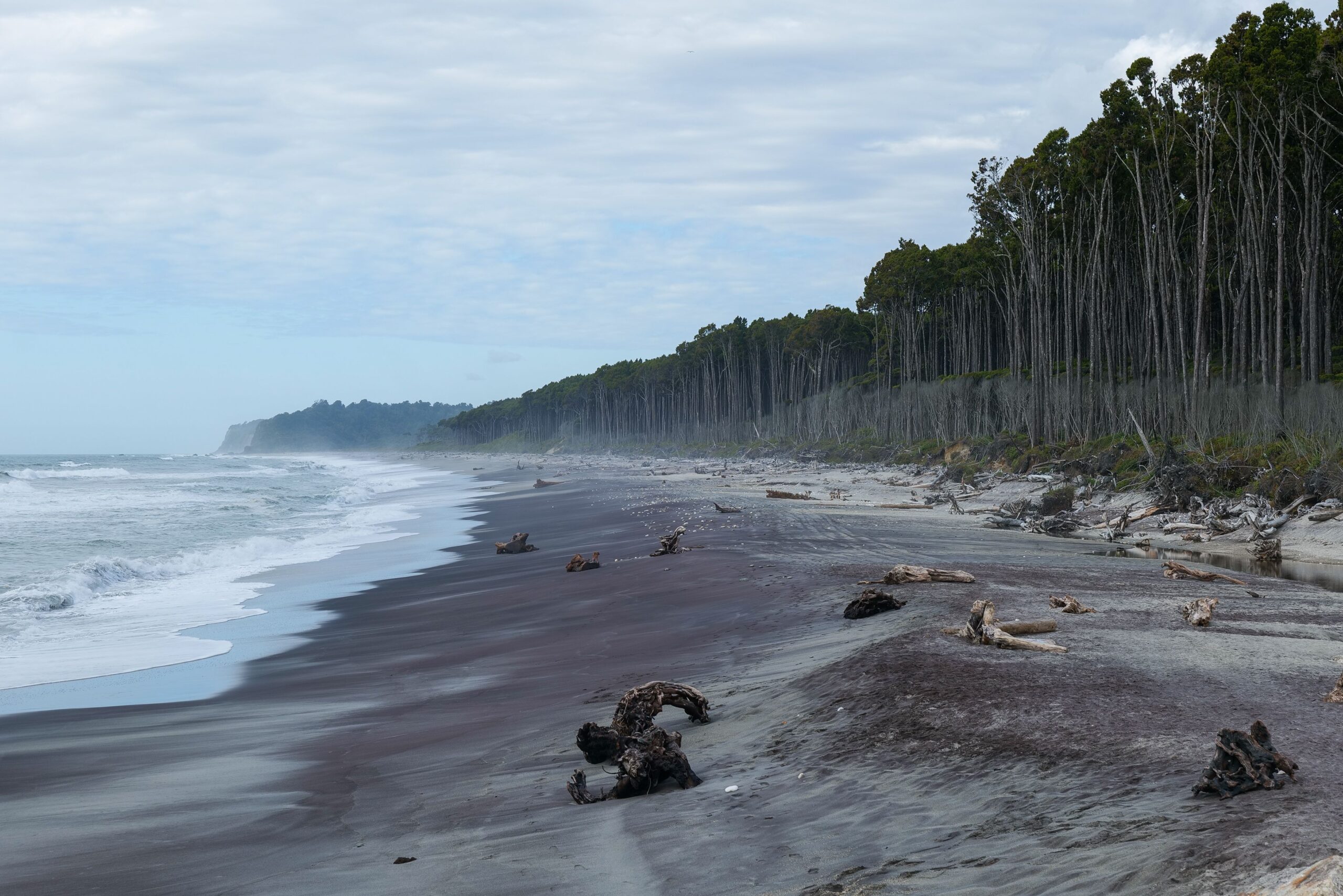
You’ve just pulled into a stretch of sand near Waipapa Point, the kind of place where the only sounds are crashing waves and the distant bark of sea lions. You extend your wind-out awning for a quick shelter, thinking you’ll make a cup of tea and watch the surf roll in. The first gust hits like a freight train. The fabric catches, the legs lift, and suddenly you’re watching your 2.5-metre strip of shelter cartwheel down the beach like a runaway kite. The rental company’s manual didn’t cover this. Your travel insurance definitely didn’t cover this.
Here’s what you learn in that heart-stopping moment: a campervan awning in high wind is essentially a sail, and a Catlins beach is a wind tunnel. The gust you feel at ground level is nothing compared to the force on a vertical fabric surface. You’ll sprint after it, sand stinging your face, hoping it doesn’t wrap around a sea lion or catch a rock and tear. When you finally wrestle it down, the aluminium arms are bent, the fabric is flapping like a trapped bird, and you’re covered in sweat and salt spray. This is not the serene morning you imagined.
Why the Catlins Tests Your Gear Like Nowhere Else
This corner of the South Island is a weather convergence zone. The Southern Ocean meets the Pacific, and the result is a climate that can cycle through four seasons in an afternoon. You’ll wake to glassy calm, then face gusts that rock your van on its suspension. Most campervanners breeze through the North Island’s predictable weather patterns and think they’re ready for anything. The Catlins has other plans.
You need to know this before you arrive: your standard campervan awning is not designed for sustained coastal winds above 30km/h. The manufacturers know this. Most renters don’t. When you’re parked at Curio Bay watching the petrels skim the waves, the wind can accelerate through the gullies and funnel straight into your setup. The trick is to read the local conditions — the way the flax bushes are bent, the direction the sand drifts, the whitecaps on the water. If you see any of these signs, leave the awning in its housing. Your morning coffee can wait for a sheltered picnic table at the next DOC site.
Anchoring Like You Mean It
You’ve probably seen the standard campervan awning kit: four short pegs and some nylon rope. In sheltered campsites, these are fine. On a Catlins beach, they’re almost useless. The loose sand won’t hold a peg, and the wind will snap the flimsy orange rope like thread. What you want — and what most rental companies won’t tell you — is a set of proper sand anchors. These are the metal screw-style pegs that look like oversized corkscrews, or heavy-duty bag anchors you fill with wet sand.
Before you roll into the Catlins, stop at an outdoors store in Invercargill or Dunedin. Pick up a set of sand-specific awning anchors and a bag of heavy-duty guy ropes. You’ll also want a hammer, because those screw pegs need to go deep. When you set up, park with the van’s body oriented directly into the wind, so the awning is on the leeward side. Angle the awning slightly downward, not flat, to reduce the sail effect. And here’s the pro move: if the wind is truly howling, don’t deploy the awning at all. Instead, use the van’s side door as your shelter — it’s a fraction of the surface area and won’t try to fly away.
What to Do When the Awning Breaks
That morning on the beach, you’ll wrestle your awning back into its housing with bent arms and a frayed fabric edge. The arm won’t retract fully, and you’ll have to bungee it in place. Now you’re driving to your next stop with a broken piece of gear, a dented ego, and a sinking feeling about your rental deposit.
Here’s the reality: rental campervan companies have seen this a hundred times. They have spare parts. They have replacement awnings. They have procedures. What they don’t have is patience for a guest who tries to repair it themselves with duct tape and hope. Your first move, after securing the broken awning, is to call the rental company’s roadside assistance. Explain exactly what happened — the wind, the beach, the failed anchors. They’ll direct you to the nearest service centre or give you a replacement van if the damage is structural. In the Catlins, the nearest town with a mechanic who handles campervans is Balclutha, about an hour north. Have that number saved before you lose phone service.
While you wait, use the situation as an excuse to explore the things you can’t do from inside a van anyway. Walk the Curio Bay fossil forest at low tide. Drive to Slope Point, the southernmost point of the South Island, where the wind is so constant the trees grow permanently bent sideways. Visit the Nugget Point lighthouse and watch the fur seals play in the surge.
The Modified Setup for Next Time
If you’re planning a longer campervan trip in the Catlins — or anywhere on the New Zealand coast — consider upgrading your setup before you leave home. Many experienced campervanners carry a freestanding awning or a simple tarp with collapsible poles. These systems can be staked independently of the van, giving you more flexibility in placement and better wind resistance. A heavy-duty tarp with grommets and a set of telescoping poles costs a fraction of what you’ll pay in stress and rental deposits.
You’ll also want to pack a wind meter. These small digital devices measure gusts and sustained winds, and they take the guesswork out of the “can I set up or not?” decision. When the meter reads over 30km/h sustained, you don’t deploy. It’s that simple. Pair this with a weather app that provides hourly wind forecasts for your specific coordinates, not just the nearest town. The Catlins microclimates mean the wind at Papatowai can be completely different from what’s happening at Chaslands, only 15 minutes up the road.
How to Reset After the Storm
You’ve wrestled your awning, called roadside assistance, and possibly spent an afternoon at a mechanic in Balclutha. The van is patched up, the deposit is safe, and you’re back on the road. But you’re also shaken. The romance of the open road has taken a hit. Here’s how to recover.
Find a sheltered DOC campsite inland, away from the coast. Places like the Tautuku Outdoor Education Centre or the quieter spots along the Owaka River offer trees and hills that break the wind. Park, make a proper meal — not instant noodles — and pour yourself a glass of New Zealand sauvignon blanc. Walk the short tracks through the podocarp forest, where the air smells of damp earth and moss. Let the silence of the woods replace the howl of the ocean wind. The Catlins is not just a coastline of wild beaches; it’s a region of deep green valleys, waterfalls that tumble over ancient rock, and rivers that run clear and cold.
One More Gust
That morning on the beach, chasing your awning across the sand, you’ll learn something no guidebook can teach: the campervan is not a fortress. It’s a tool, and like any tool, it has limits. The Catlins will show you those limits with brutal honesty. But it will also show you the raw beauty of a coastline that hasn’t been tamed for tourism, where the weather still dictates the terms of your visit. By the end of your trip, you’ll have a new respect for wind forecasts, a deep appreciation for proper anchoring, and a story that will make every other campervanner you meet nod with recognition. And next time, you’ll know exactly what to do when the van tries to fly.