Christchurch to Aoraki/Mount Cook: Mackenzie Basin & Southern Alps Campervan: Day 1
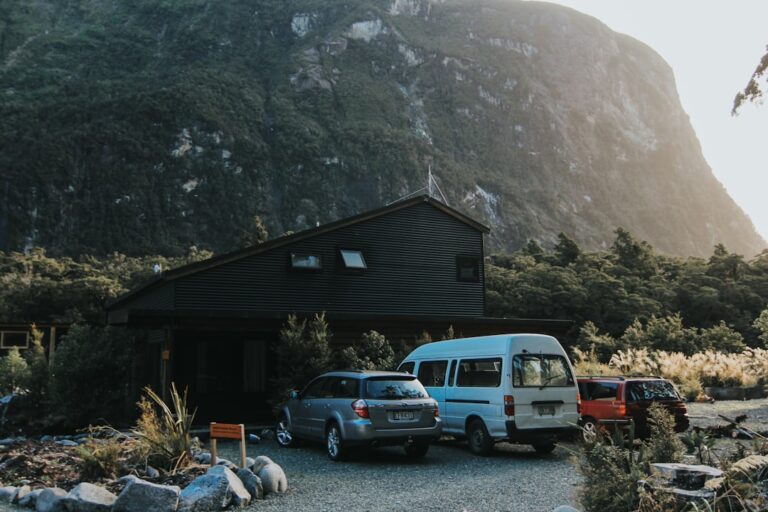
The Avis lot on Lichfield Street smelled of wet concrete and stale petrol when we arrived just after eight. The woman behind the counter wore a fluorescent vest two sizes too big and tapped at her keyboard with the patience of someone who’d seen a hundred people walk in with the same laminated confirmation and the same vague, optimistic plans. She didn’t ask where we were going. She handed over the keys to a six-berth Toyota Hiace with a scratch across one rear panel that she photographed with a dedicated, unhurried focus, as if cataloguing evidence for a crime scene.
We’d spent the night before at a motel near the airport, eating supermarket sandwiches off a lap tray while a radiator hissed and a taxi idled in the lot outside. The Hokitika plan had already been quietly abandoned — the rain forecast looked less like rainfall and more like a sustained refusal to stop — so we had turned the map inland instead, toward the Mackenzie Basin, where the predictions said it would be clear but cold. That was how most of this trip would go: the weather decided, and we followed.
The campervan’s diesel engine started with a rattle that suggested it had been driven hard through the Southern Alps before and would be again. We pulled out of the lot at 8:47, a detail only memorable because the clock on the dashboard was exactly twelve minutes fast and no one had bothered to reset it. The first ten minutes of any road trip out of Christchurch are forgettable — suburban streets, a roundabout, a service station where someone bought a bottle of water they’d already packed — but then the city thins out and the plain opens, and suddenly there’s a lot more sky than anything else. You just keep driving.
State Highway 1 south skirts the coast for a while, past the salt marshes and the weirdly tidy rows of pine plantations that New Zealand plants like crops. We stopped at a bakery in Ashburton not because we needed food but because the guidebook had called it “essential,” a word that seemed to demand obedience. The pie was fine — mince and cheese, the kind of pie that exists in every small town in New Zealand and is rarely remarkable but is always exactly what you want at that moment. A woman at the counter was explaining to a German tourist that the water in the taps was perfectly safe to drink, a reassurance she delivered with the faintest edge of irritation, as if the question itself implied something about the cleanliness of her town. The tourist nodded, unconvinced, or something like that.
We bought petrol at a station just past the Rakaia River bridge — $1.89 a litre, which felt painful until we saw the price further inland. The sky was doing that New Zealand thing where it’s blue in one direction and bruise-coloured in the other, and the wind had picked up enough to rock the van when we stepped out. A man in a high-vis vest was filling a tractor from a diesel pump, and we stood in silence for a moment watching him, not because it was interesting but because there was nothing else to do while the tank filled. The wind smelled of dry grass and cold air.
At Geraldine, we turned inland. This is where the landscape changes its mind. The flat farmland gives way to rolling hills, and the hills give way to something more serious. The road narrows. The speed limit drops. A sign warned of sheep for the next 12 kilometres, and we saw exactly none, but the possibility was enough to keep the speed down. The van struggled on the first real climb, the engine labouring in a low gear that we hadn’t found yet on the flats, and we learned quickly that you don’t accelerate into a New Zealand hill — you accept the loss of momentum and let the transmission find its own pace.
Fairlie appeared at the edge of a valley like a settlement that had been dropped there by accident. It had a pub, a dairy, and a café that sold coffee so strong it tasted almost medicinal. We sat outside at a plastic table, watching a dog chase a ball across a field that belonged to no one in particular, and the air had a coldness that didn’t feel like evening yet but was headed that way. A couple from Auckland pulled up in a rental car and asked if we knew the road to Burkes Pass. We did not, but we lied and said it was straight ahead, which turned out to be true.
Burkes Pass itself is barely a town — a handful of buildings, a heritage church, a road that bends and then keeps going. We stopped at the old general store, which has been preserved as a kind of museum of the kind of things people used to buy before supermarkets existed: tinned butter, enamel cups, a single jar of Marmite that looked like it had been there since 1978. The woman minding the store was not interested in history. She was knitting a scarf and did not look up when we entered. We bought a bag of liquorice allsorts for $3.50 and ate most of them before we reached the top of the pass.
And then the basin opens.
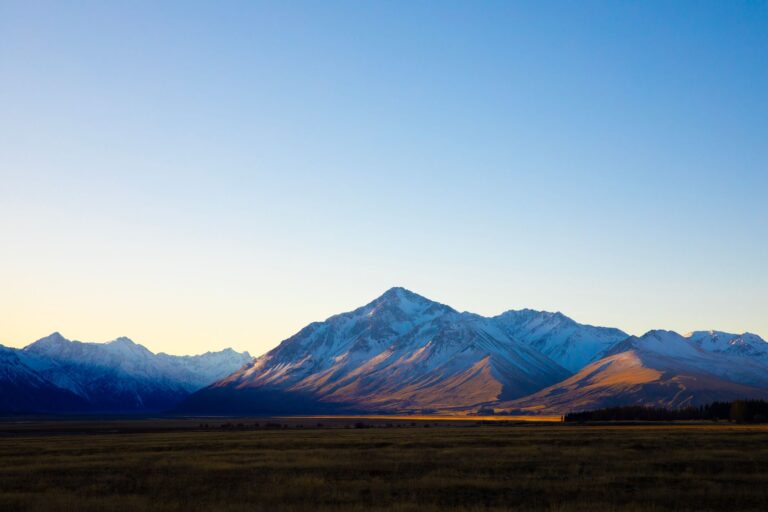
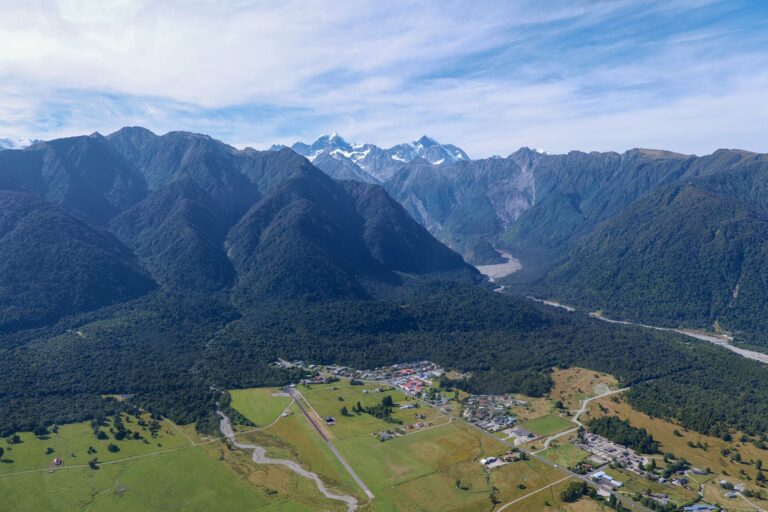
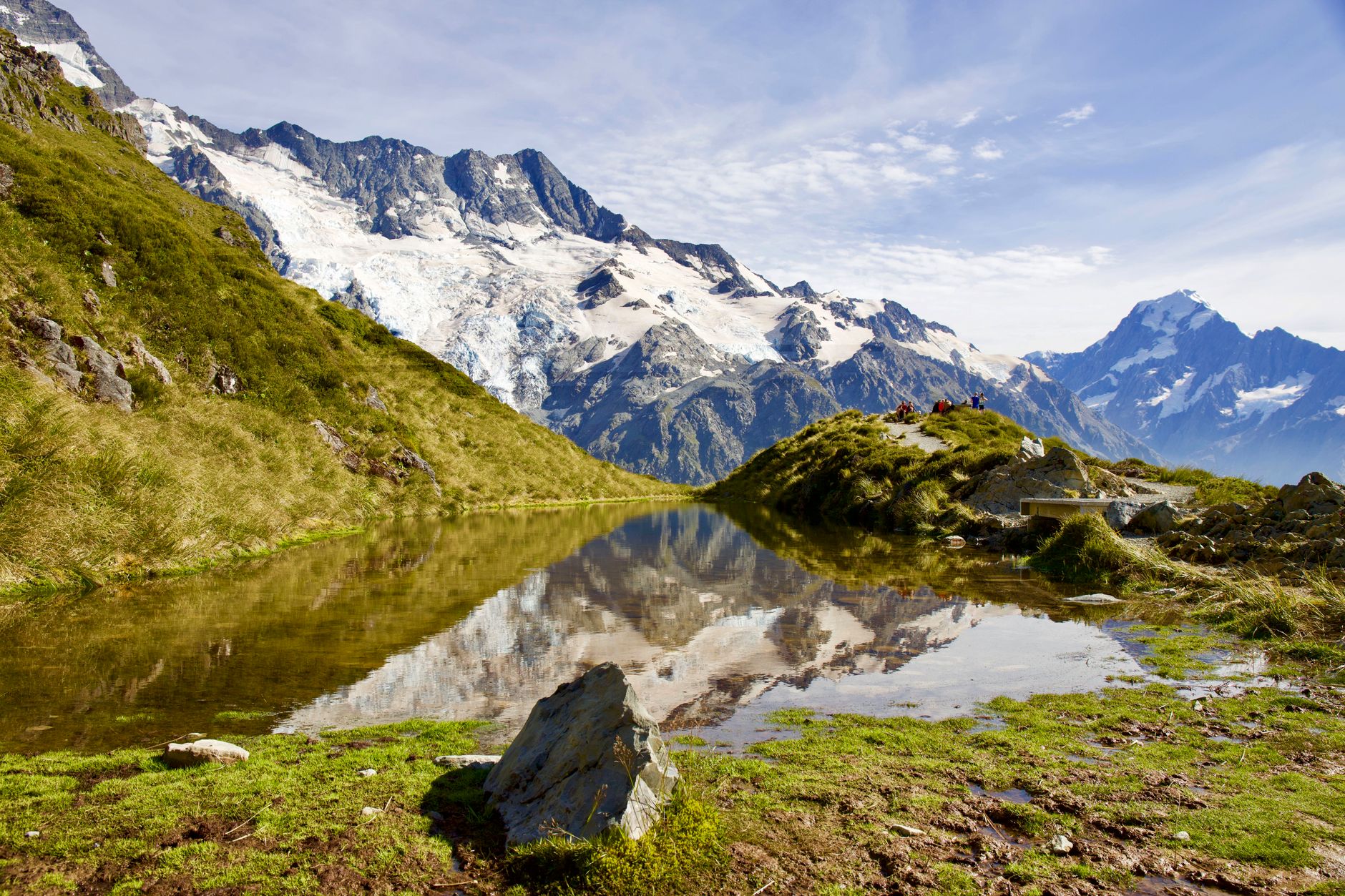
There is no warning for the Mackenzie Basin. One moment you’re climbing through scrub and tussock, the next you’re looking at a plain so vast and so flat that your brain recalibrates. The mountains — the Southern Alps — rear up on the western edge, still carrying snow even in late spring, and the colour of the light shifts into something that photographs never quite capture: a clarity that is almost aggressive, as if the air itself has been scrubbed clean. The road drops down in a long, straight descent, and we pulled over at the first lookout, not because we had planned to but because the van seemed to want to stop on its own.
A tour bus was already there, its engine idling, a cluster of passengers taking the same photo from slightly different angles, each one certain theirs would be the one that captured it. One man had brought a tripod. Another was filming a video on his phone while narrating in a language we didn’t recognise. We stood apart from them, eating the last of the liquorice allsorts, and said nothing. The view did not require commentary.
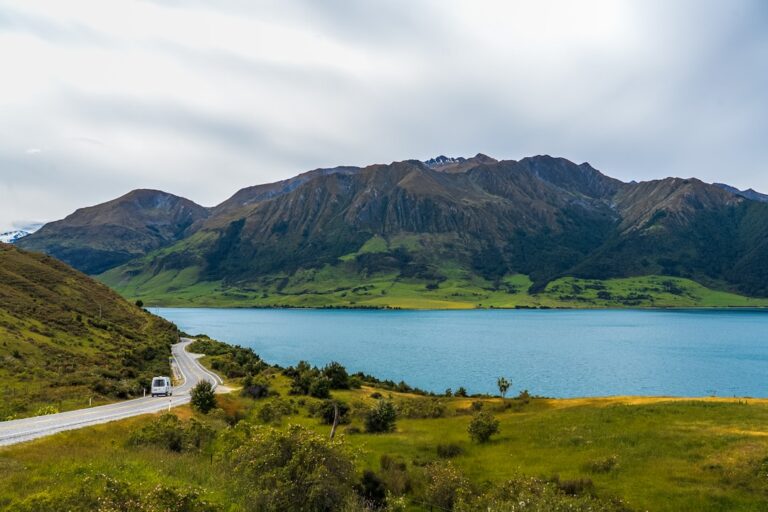
Lake Tekapo came into view as the road straightened. The colour is not blue and it is not green — it is something in between, a milky turquoise that comes from glacial flour suspended in the water, and it looks artificial even when you’re standing right next to it. The town itself is small and unabashedly tourist-oriented: a row of cafés, a souvenir shop selling merino wool products, a hotel that looked like it had been built in the 1970s and not renovated since. We parked near the Church of the Good Shepherd, the stone chapel that appears in every second photograph of the South Island, and watched a queue of visitors wait their turn to stand in front of it. A Chinese wedding party was taking photos on the lawn, the bride’s white dress ruffling in the wind, the photographer lying flat on his back to get the angle right.
Instead, we walked down to the lake edge. The water was cold enough that you could feel the temperature drop just by standing near it. A family was skipping stones, and a child was crying because one of the stones had hit her shin. The sound carried across the water in a way that felt disproportionate to the event — a small, sharp cry that echoed briefly and then was swallowed by the silence of the lake. We sat on a bench for a while, watching the light change as the sun moved behind a bank of cloud, and the colour of the lake shifted from turquoise to slate and back again.
The campsite was at the edge of town, a DOC-run site with basic facilities and a view that made up for the lack of showers. We parked the van in a spot that faced the mountains, levelled it with a block of wood we found under the seat, and cooked dinner on the portable stove: pasta, a jar of sauce, a bag of pre-shredded cheese that had melted into a single lump in the cooler. It was not a good dinner, but it was hot, and the cold air made everything taste better than it deserved to.
After eating, we walked a few hundred metres down the road, away from the lights of the campsite, and stood in the dark. The sky above the Mackenzie Basin is famous for a reason, but the reason is not something you can prepare for. The stars don’t just appear — they multiply the longer you look, until the sky feels crowded, almost unpleasantly full. A satellite moved slowly across the field of view, and we followed it until it disappeared into the haze above the mountains. The temperature had dropped below zero, and we could see our breath in the starlight.
Back in the van, we spread the sleeping bags across the double bed in the back and left the curtain open, just enough to see the silhouette of the mountains against the sky. The heater clicked on and off through the night, a sound that became as regular as breathing. At some point, a car pulled into the site, its headlights sweeping across the van’s interior for a moment, and then the engine cut and everything was quiet again.
We woke once, just before dawn, to a cold so sharp it felt like a physical presence. Outside, the frost had already formed on the grass, and the mountains were barely visible in the grey light. The lake was perfectly still. Nothing moved. We watched for a minute, maybe two, and then pulled the sleeping bag back over our heads and waited for the sun.
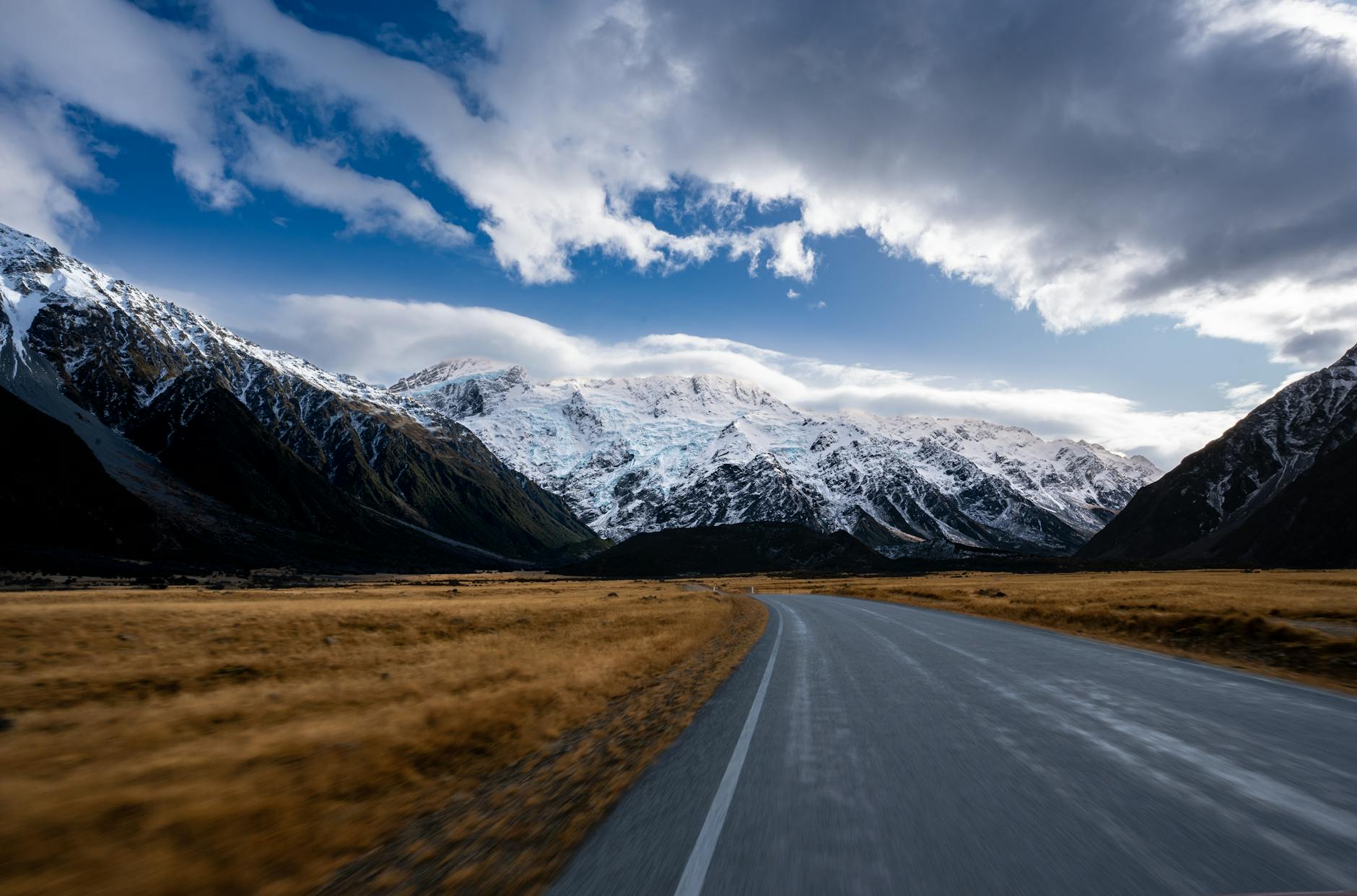
📷 Photos: Maurits Simons (Pexels), Donovan Kelly (Pexels)