The Sleeping Cat With the Low Sun at Its Back
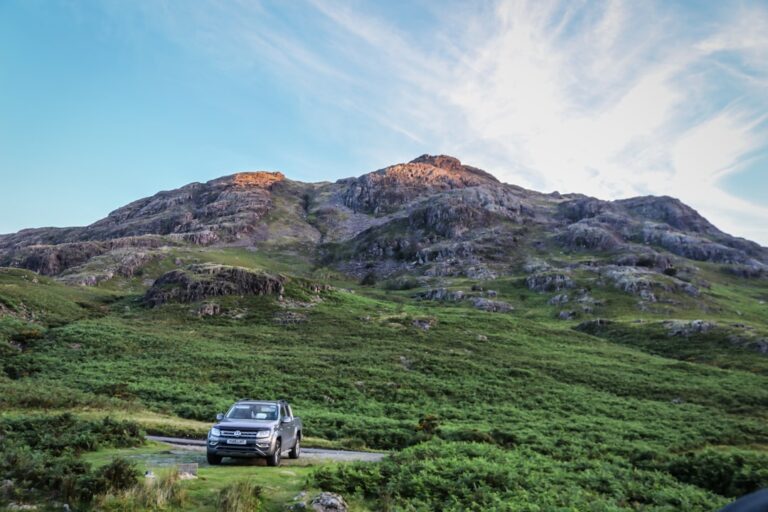
The morning spent peeling out of the sleeping bag at the Akiu Onsen campground, still smelling faintly of last night’s sulfur bath, reveals something has shifted. The first five days were about surviving the learning curve — figuring out which side of the michi-no-eki parking lot offered the flattest sleep, learning to time onsen visits so you weren’t showering in the dark, accepting that your Japanese grocery-store kanji recognition would remain approximately that of a determined toddler. Day six brings something else: competence. The little gas burner can handle a decent miso soup in under eight minutes; the extra propane canister bought in Sapporo because the mountain towns won’t have them; the small folding chair almost left behind that is worth its weight for evenings when the van feels claustrophobic. Packing up now has a new efficiency, the kind earned from having made every mistake at least once.
The drive south from Sendai toward Matsushima feels like emerging from a tunnel. The coastal pine islands rise from the bay like something out of a brush painting, which of course they are — this exact view has been rendered in ink for centuries. A ticket for the ferry boat cruise solves the campervan’s first real limitation here: you cannot just pull over anywhere and gawk. Forty minutes of weaving between the tiny islands, watching cormorants dry their wings on weathered rock, and the reason the poet Basho stopped here and felt compelled to write about it becomes clear. Back on land, an onigiri from a convenience store near the port — the one with the pickled plum inside that hits with perfect sour-salty balance — is eaten leaning against the van’s side door, watching a Japanese family pose for photos with the bay behind them.
Nikko is waiting. The approach on Route 4 takes the traveler through the kind of landscape that explains why the Japanese built shrines here — the cedars get older and taller as the road climbs, the air gets cooler, and the light filters through the canopy in shafts that feel almost solid. Toshogu Shrine in the late afternoon turns out to be the perfect time. The crowds have thinned, the gold leaf on the Yomeimon Gate catches the low sun, and standing in front of the “Sleeping Cat” carving, the weight of millions of pilgrims who have made this exact journey before settles in. The shrine complex is overwhelming — every surface carved, painted, lacquered — and lingering longer than planned means racing the sunset to reach Kegon Falls. A hundred meters of water dropping straight down into a gorge, the spray catching the last light and throwing a thin rainbow against the rock face. The observation deck holds the attention long enough to get genuinely cold, then a retreat to the van and the winding road up to Lake Chuzenji.
The campsite near the lake is basic — a flat patch of gravel with a toilet block that’s cleaner than most hotel bathrooms — and dinner is instant curry with rice, a sliced apple for dessert, eaten in the back of the van with all three layers on, watching the lake go from gray to black. At altitude, even in summer, the cold seeps through the van’s thin walls with real determination.
Day seven starts with a mistake that will echo for the rest of the trip. Oze National Park’s boardwalk trails winding through high-altitude marshland looked perfect for a morning hike. What wasn’t understood: the park has multiple access points, and the one reachable from Nikko involves a narrow mountain road that takes an hour and a half longer than Google Maps suggests. The drive itself is stunning — hairpin turns through deep forest, occasional glimpses of distant peaks — but the trailhead is reached with only enough time for a short walk. The path to a viewpoint overlooking the Ozegahara marsh, exactly twelve minutes standing there, and the weight of everything missing lands hard. In a campervan, not everything can be done. Choosing one thing means not choosing another. The Ozegahara circuit is a full-day commitment given a morning. Back in the van chastened, with a mental note to return properly, someday, with a tent and no schedule.
Route 120 to Gunma is a relief — wider, faster, more forgiving — and by early afternoon the road crosses into the Manza Onsen area near Karuizawa. The campervan traveler’s secret weapon in Japan: the highland resort towns that have more onsen than they know what to do with. Manza is famous for sulfur springs that smell like a geology lab experiment gone right, and a campsite offers direct access to a public bath. The routine becomes clear: park, grab the toiletries bag, walk to the onsen, strip down, soak for as long as the skin can handle, then rinse and repeat. Emerging from the bath two hours later, muscles unknotted, sinuses cleared by the sulfur steam, a new human. Dinner at the campsite’s communal barbecue area — yakitori skewers and grilled vegetables — shared with a retired Japanese couple doing a similar trip in their own tiny camper. Basic Japanese, limited English, but enough to communicate that yes, the Norikura Highland is beautiful, and yes, the road can be challenging. A persimmon from their cooler. Possibly the best persimmon of a life.
Day eight brings Karuizawa proper, which is not a sleepy mountain town. Karuizawa is where wealthy Tokyoites have summer homes — expensive boutiques, pour-over coffee cafes, shops selling single-origin honey for three thousand yen a jar. All of it is skipped for Shiraito Falls, the right call. The falls cascade down a wide volcanic cliff face in dozens of thin streams, like white threads against the dark rock, and the viewing platform is mercifully uncrowded at this hour. Long enough standing there to watch the light change, then back in the van for the drive through Usui Pass.
Usui Pass is one of those roads that separates confident drivers from those who should have rented a smaller vehicle. Narrow, winding, steep, with sharp switchbacks requiring a crawl in some sections. The views across the Kanto plain on a clear day are spectacular, but most of the drive is spent gripping the wheel and hoping not to meet a bus coming the other way. None appears. Emerging into the Matsumoto valley with sweaty palms and a deep appreciation for the engineers who built the modern highway that bypasses most of this route. Matsumoto Castle is one of Japan’s few remaining original wooden keeps, sitting against the backdrop of the Northern Alps like it was placed there by a landscape designer. The interior tour climbs steep stairs past samurai armor displays and period weapons, and standing at the top looking out over the city, the view alone is worth the drive.
The campsite near Asama Onsen is another good find — a municipal facility with hot spring access, basic but clean, cheap enough that spending the night doesn’t feel guilty. A proper shower for the first time in three days, clothes washed in the sink and hung to dry across the van’s interior, dinner at a small ramen shop a five-minute walk from the campsite. The bowl of shoyu ramen is unremarkable in the best way — exactly what was needed, exactly when it was needed, no surprises.
Day nine is the one that’s been waited for. Kamikochi, the crown jewel of the Japanese Alps, a high-altitude valley that feels designed specifically to make a person believe in something larger than themselves. An early wake, the approach road driven before the crowds arrive, the van parked at the bus terminal where the private vehicle ban begins. From here, everything moves on foot or by shuttle bus, and the relief is immediate. The valley opens up — the Azusa River running clear and cold, the peaks of Hotaka and Yari rising on either side, the air thin and clean and carrying the smell of pine. The trail to Taisho Pond, where dead trees rising from the water create a landscape that looks almost post-apocalyptic, and standing there long enough to watch a pair of ducks paddle across the reflection of a mountain. The hike is gentle, barely an hour round trip, but stretched to three because of constant stopping to take photos, to sit on rocks, to just breathe. This is what the cramped sleeping quarters and the cold showers and the road anxiety were for.
The drive over Norikura Highland from Kamikochi to Takayama is the longest single stretch on this leg, and it deserves respect. The Norikura Skyline Road climbs to over 2,700 meters, winding past volcanic craters and alpine lakes, and the views are so overwhelming that the van has to pull over twice just to process them. The road is narrow in sections, with steep drop-offs and no guardrails in some places, driving at half the speed limit because every corner reveals another vista demanding absorption. The highland is crossed in late afternoon, the light turning golden, and the descent into the Hida Valley follows as the shadows lengthen. Takayama appears below like a postcard — old wooden buildings, a river running through the center, the mountains rising dark behind it.
The campsite along the Miyagawa River is perfect. Parked within earshot of the water, dinner of soba noodles with store-bought tsuyu sauce and a soft-boiled egg, sitting on the riverbank watching the sky go from orange to purple to black. A festival happening somewhere in town — distant sound of drums and chanting — but too tired to walk in. Lying in the back of the van with the doors open, listening to the river.
Day ten starts in Takayama’s morning market, reached before most tourists have finished breakfast. The stalls along the river sell everything from pickled vegetables to hand-carved wooden bears — close to five hundred of them, maybe more — and a bag of fresh apples and a block of Hida cheese are bought and eaten sitting on a bench watching the water. The old town is beautiful — sake breweries with cedar balls hanging over their doors, merchants in traditional aprons sweeping their stoops, the smell of grilled mitarashi dango drifting through the morning air — but there is a schedule, and Shirakawa-go is waiting.
Shirakawa-go is one of those places that photographs so well the reality can’t possibly live up to the image. It does. The Gassho-zukuri farmhouses rise from the valley like something out of a fairy tale, their steep thatched roofs designed to shed snow in winter, and the van is parked in the lot, the main path walked wondering how many other world heritage sites have this kind of quiet dignity. The village is busy — it’s always busy — but the crowds thin out on the paths that lead away from the main viewing platform. Walking to the far end of the settlement, past rice paddies and gardens, a farmhouse offers tea and a seat by the irori hearth. Forty minutes sitting there, drinking green tea and watching the smoke curl up through the roof beams, and the reason people have lived in these houses for centuries becomes clear. They are built for community, for winter, for staying put. The van, by contrast, is built for leaving.
Route 156 south toward Kanazawa follows the Shogawa River through a steep valley, past villages that seem to cling to the mountainside, the driving demanding full attention. One stop at a roadside rest area for a bowl of soba and a view of the river, and Kanazawa arrives as the afternoon light begins to soften. The campsite near Kenroku-en Garden is found without trouble — a small municipal facility with clean toilets, a coin laundry, and a view of the garden’s treetops from the parking area. Camp set up, clothes washed, a short walk to the garden entrance arriving just before closing. The garden empties out as the walk progresses, the tourists heading for dinner and hotels, and the final twenty minutes are almost entirely alone. Standing by the famous old pine tree propped up on its wooden crutches, watching the koi drift through the pond. Tomorrow will head south toward Kyoto and Tokyo. Tonight, alone in one of Japan’s most famous gardens, letting the weight of where you are settle in. The van is parked a hundred meters away. Dinner will be convenience store curry again.