The Hidden Art of Nasi Padang: A Tour of Kandahar Street’s Family-Run Stalls
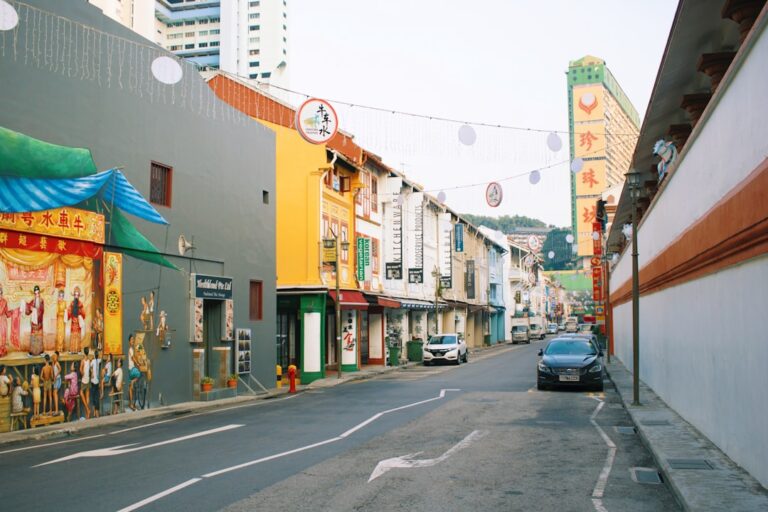
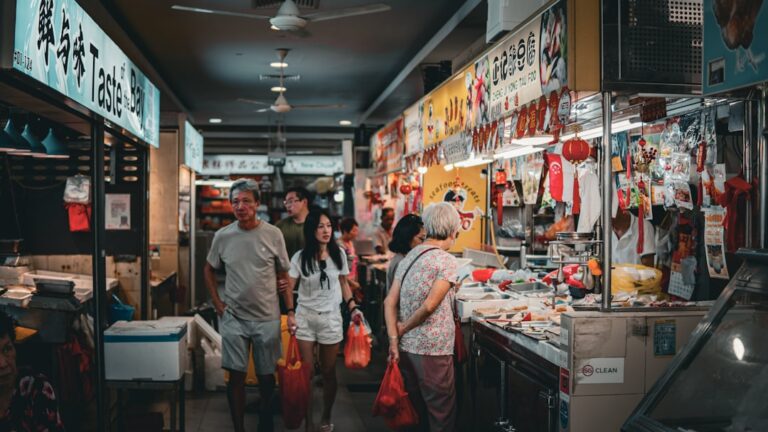
You’re standing at the corner of Kandahar Street and Sultan Gate, and the first thing that hits you is the steam — thick, fragrant, carrying the scent of coconut cream, lemongrass, and chilies that have been ground so fine they’ve turned into a paste the colour of a sunset. The second thing you notice is the rhythm of the women behind the glass counters, moving with a speed that borders on choreography, stacking plates with curries and sambals and fried things that glisten under the fluorescent lights. This is Nasi Padang country, and you’ve walked into the heart of it.
If you’ve only ever experienced Nasi Padang as a quick lunch at a mall food court — that single scoop of rice with two dishes, eaten with a plastic fork — you’re missing the full language of the cuisine. The stalls along Kandahar Street, clustered in the historic Kampong Glam district, aren’t just serving food. They’re running a living archive of Minangkabau culinary tradition, one that’s been passed down through families for generations, often without a single written recipe. And the way you approach it — the way you order, the way you eat, the way you pay — is an art form unto itself.
The first thing you’ll want to understand is that Nasi Padang is not a single dish. It’s a system. When you sit down at a proper Padang stall — and the ones on Kandahar Street are among the most authentic outside of West Sumatra — the server doesn’t hand you a menu. She arrives with a stack of small plates, balanced up her arm, each one holding a different dish: a dark, glossy beef rendang that’s been cooked for hours until the coconut has caramelized; a heap of jackfruit curry, soft and tangy; a fried fish whose skin crackles when you press it; a bowl of sayur nangka, young jackfruit simmered in turmeric-rich coconut milk. She sets them all down in front of you, without you having asked, and you eat what you want. You only pay for what you touch.
This is the etiquette that trips up most first-timers. You might feel pressured, seeing six or seven plates suddenly filling your table when all you wanted was a quick lunch. But there’s a logic to it. The server is showing you what’s fresh, what’s best today, what’s just come out of the kitchen. You’re meant to take a little of everything — a spoonful of this, a bite of that — and leave untouched what doesn’t appeal. The cost is calculated by what’s been eaten, not what was served. It’s a system built on trust, and it works because these stalls have been feeding the same families for decades.
Your strategy, then, should be this: arrive early. The best stalls on Kandahar Street — places like Sabar Menanti, Hjh Maimunah, and the no-name stall next to the textile shop that’s been there since the 1970s — start cooking before dawn, and the peak quality window is between 11 a.m. and 1 p.m. By two in the afternoon, the rendang has been sitting in its sauce for hours, and the fried chicken has lost its crunch. Come at noon, and you’ll see the lunch rush: men in business shirts, women in tudung, construction workers, all of them eating with their hands, tearing pieces of rice and curry with the effortless muscle memory of a lifetime.
You’ll notice that nobody uses spoons. Not really. The spoon is there, resting on the rim of the plate, but it’s the right hand that does the work. You roll a small ball of rice against the curve of your fingers, dip it into the curry, and bring it to your mouth in one smooth motion. It’s a technique that takes practice, but once you get it, you’ll understand why it exists. The rice tastes different this way — warmer, more intimate, the textures registering more directly against your palm. The Minangkabau believe that food tastes better when you eat with your hands, and after a dozen meals on Kandahar Street, you’ll start to agree.
Let’s talk about the dishes themselves, because Nasi Padang is deceptively simple and infinitely complex. The centerpiece of any proper Padang meal is the rendang. Not the pale, watery version you’ve had at buffets — the real thing, where the beef has been slow-cooked in coconut milk and chilies until the liquid has evaporated, leaving the meat coated in a dark, almost dry paste that’s rich with lemongrass, galangal, and turmeric. A good rendang should be dark brown, almost black, with a texture that’s tender but not falling apart. It should taste of caramelized coconut, with a slow-building heat that doesn’t hit until the second or third bite. At Sabar Menanti, the rendang is cooked overnight in massive pots, and you can taste the patience in every shred of meat.
Then there’s the sambal. Every stall on Kandahar Street has its own version, and the differences are profound. Some sambals are fiery and raw, made with fresh chilies and vinegar, meant to be eaten in tiny spoonfuls. Others are cooked, darkened with shrimp paste and palm sugar, their heat tempered by sweetness. You’ll find sambal hijau (green sambal) made with green chilies and a hint of lime, perfect with fried fish. You’ll find sambal balado, where chilies are ground with tomatoes and fried until they’re almost jammy. The trick is to try a little of each, to understand the philosophy: sambal isn’t just heat, it’s the backbone of the meal, the thing that brings all the other flavors into focus.
The vegetable dishes deserve your attention too. Sayur nangka — young jackfruit simmered in coconut milk with turmeric and chilies — is a revelation: creamy, with a texture that’s somewhere between potato and artichoke heart. The daun singkong (cassava leaves) are cooked down with coconut cream until they’re silky, almost buttery, with a slight bitterness that cuts through the richness of the curries. And the sambal goreng — a mix of long beans, tempeh, and tofu in a spicy coconut sauce — is the kind of dish that makes you wonder why you ever thought vegetables were boring.
You should also know about the gulai. Where rendang is dry and concentrated, gulai is wet, soupy, swimming in coconut milk and turmeric. The gulai tunjang (cow’s foot tendon) is a specialty, the gelatinous tendons slow-cooked until they’re so soft they melt on your tongue. If you’re squeamish about offal, start with gulai ayam (chicken) or gulai kambing (goat), both of which are fragrant with cardamom, cinnamon, and star anise. At Hjh Maimunah, the gulai is so popular that they often run out by 12:30, so you’ll want to get there early or be prepared to settle for a second-best order.
Now, a candid word about what doesn’t work. Not every dish on the table will be a winner. Some stalls get their fried chicken right — crisp, juicy, spiced with turmeric and coriander — but others let it sit too long, and the skin turns rubbery. The bergedil (potato patties) can be dense and dry if they’ve been sitting in the display case for hours. And the hard-boiled eggs in sambal, while visually striking, are often an afterthought, the eggs overcooked and the sambal barely clinging to the surface. You’ll learn to spot the signs: if the fried chicken looks damp, skip it; if the rendang has a grayish sheen, it’s been reheated too many times; if the sambal has separated into oil and solids, it’s past its prime.
The secret to navigating this is to watch the regulars. See what the elderly Malay men order, what the women with shopping bags reach for. They know which dishes sell out first, which ones are worth fighting for. At the stall next to the mosque — the one with the faded green awning and no English signage — the regulars always ask for the paru (fried beef lung) and the dendeng balado (beef jerky in chili sauce). The paru is sliced thin, fried until crisp, and tossed in a sambal that’s sweet, sour, and spicy all at once. It’s not for everyone, but if you trust the regulars, you’ll learn to love it.
Nasi Padang on Kandahar Street is not cheap. A meal with four or five dishes, including rice, can easily run you twelve to fifteen dollars — more if you’re eating at one of the better-known stalls. But you’re paying for the cooking time, for the hours of simmering and grinding and frying that go into each dish. A proper rendang requires three to four hours of constant stirring. The sambal is made fresh every morning, the chilies ground by hand with a mortar and pestle. The gulai is never made in bulk and reheated; it’s cooked in small batches throughout the day. You’re paying for labor, for technique, for a tradition that doesn’t scale.
And then there’s the matter of the nasi itself. Padang rice is not the fluffy, separate-grain jasmine rice you’re used to. It’s steamed with a little oil, which gives it a slight sheen and a stickier texture, perfect for scooping with your hands. Some stalls add pandan leaves to the cooking water, which imparts a faint, floral aroma. Others steam the rice in coconut milk, making it richer and more fragrant. It’s the foundation of the meal, the thing that holds everything together, and a good stall treats it with as much care as any curry.
You’ll notice that the stalls on Kandahar Street are family-run in a very literal sense. The woman serving you is often the one who woke up at 4 a.m. to start the rendang. Her daughter is at the cash register, her son-in-law is in the back, stirring the gulai. This is not a job; it’s a legacy. The recipes have been handed down through generations, and they change slowly, incrementally, as new daughters-in-law bring their own techniques, as the taste of the customers shifts. A rendang that tastes the same today as it did thirty years ago is rare; more often, you’re eating the result of decades of small adjustments, of a family learning to adapt without losing the soul of the dish.
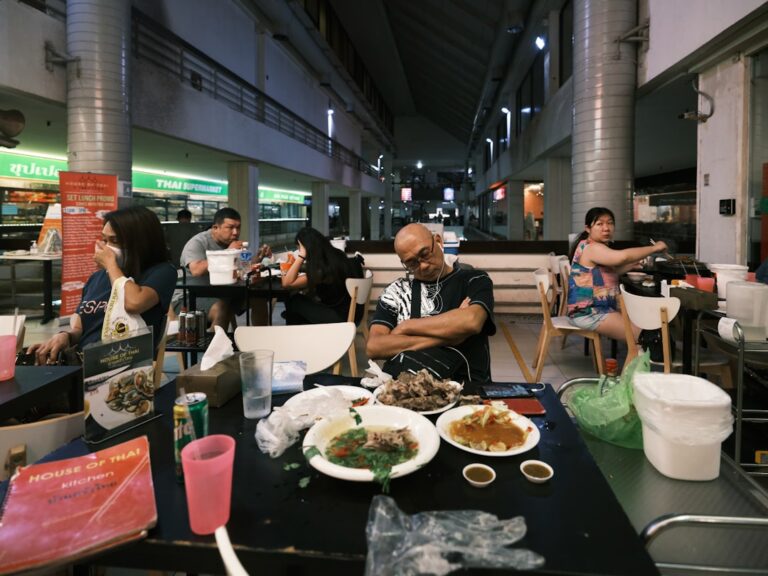
One of the most surprising things about eating Nasi Padang on Kandahar Street is how quiet the regulars are. They don’t talk much. They eat quickly, with focus, their eyes fixed on their plates. The only sounds are the clatter of plates, the hiss of the air conditioner, the occasional request for more rice. It’s not a social meal in the way a Chinese banquet or a Western dinner party is. The food is the event, and conversation is secondary. If you’re dining alone, you won’t feel out of place; if you’re with friends, you’ll find yourselves eating more and talking less, which is exactly the point.
Now, you might wonder about the best way to approach your first Nasi Padang meal. Here’s what you should do. Walk down Kandahar Street between eleven and noon. Look for the stalls with the longest queues of Malay customers — not tourists, not office workers, but older men and women who’ve been eating here since they were children. Choose one, sit down, and say nothing. The server will bring you a selection of dishes. Don’t touch anything until you’ve looked at each plate, smelled it, made a mental note of what you want to try. Then, with your right hand, take a small ball of rice, dip it into the rendang, and eat. Take another ball, dip it into the gulai. Another into the sambal. Build your own combination, bite by bite. If you like something, take more. If you don’t, leave it. The server will subtract it from your bill.
Pay attention to the texture of the rendang. A good one should be dry enough that it doesn’t drip, but moist enough that it coats the rice. The beef should be tender, but not mushy, with a slight chew that comes from hours of slow cooking. The coconut should have caramelized into a dark, almost crusty coating that breaks under your teeth. If the rendang is wet, if it’s swimming in sauce, it’s not authentic. The real thing is a dry curry, the coconut milk cooked down to its essence, the flavors concentrated and intense.
You’ll also want to try the fried chicken — if it’s fresh. Look for pieces that are dark gold, almost bronze, with a crust that’s rough and craggy. The marinade is usually a mix of turmeric, coriander, garlic, and salt, and the chicken is fried twice: once to cook it through, once to crisp the skin. At its best, it’s some of the finest fried chicken you’ll ever eat, the meat juicy, the skin shattering, the spices warm and fragrant. At its worst, it’s a greasy, soggy disappointment. The difference is timing. If the stall is busy, if the chicken is coming out of the fryer in batches, you’re in luck. If the chicken has been sitting under a heat lamp, skip it.

📷 Photos: LumenSoft Technologies (Unsplash), Hobi industri (Unsplash)