Behind the Dairy, Not in Front of the View: A Coromandel Campervan Night
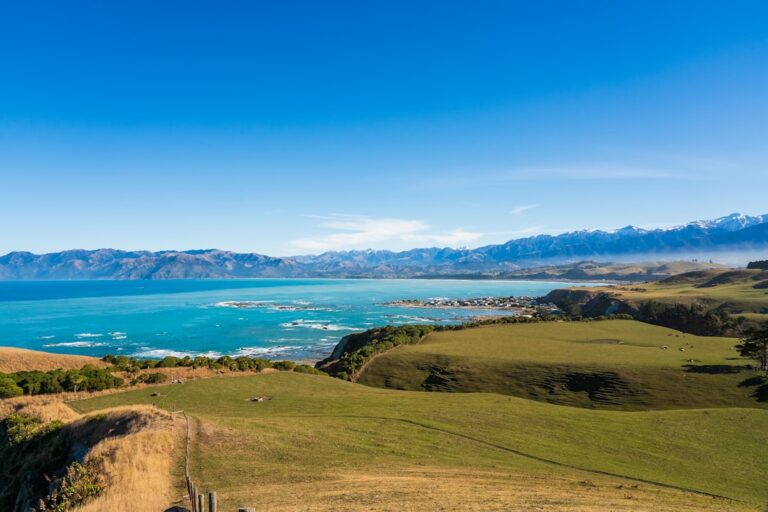
You’ve packed the campervan, your freedom camping app is loaded, and you’re heading north from Thames with the windows down, salt air pouring in. The Coromandel Peninsula glitters on your right—hillsides thick with native bush, beaches that curve into the distance like white silk. You’re thinking: this is New Zealand at its most unspoiled. And you’re right. But here’s the thing nobody tells you when you’re dreaming of pulling over wherever the mood takes you: the Coromandel is a masterclass in tricky parking. The free spots you’ve read about? They’re real, but they’re not just sitting there waiting for you to roll in at 6 p.m. on a Friday. You need a strategy. You need to think like a local. And you absolutely need to know what qualifies as stealth before the sun goes down.
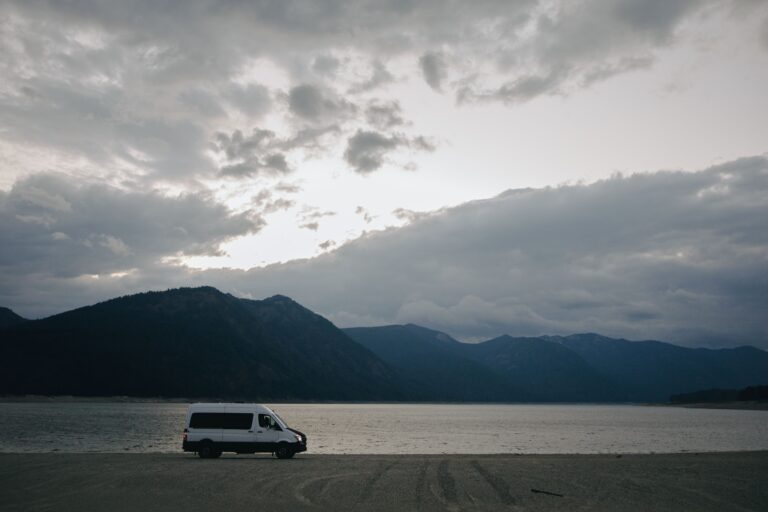
Let’s start with the most basic rule of Coromandel stealth camping: your vehicle is your disguise. You can’t just park a 7-metre motorhome with rooftop solar panels and a sticker saying “We Live Here” between two beachside holiday homes and expect to go unnoticed. The discipline of finding a free spot begins with how you look. The best vehicles for this kind of operation are the ones that blend—a plain white Toyota Hiace with no decals, no awning extended, no fairy lights strung across the windscreen. You want to look like a contractor’s van, not a travelling artist’s palace. Your curtains matter too. Anything reflective or brightly patterned shouts “tourist inside.” Go for dark, neutral fabrics that sit flush against the windows. You’ll find yourself parking at 9 p.m. and waking at 6 a.m., engine barely cool before you’re moving again. That’s the rhythm.
Your first real test comes when you reach the coast near Whangapoua. The road narrows, the bush presses in, and the few designated freedom camping spots are already taken by mid-afternoon. You drive past the official DOC campsite because you want something quieter, something closer to the water. You spot a gravel pull-off near the beach access track—barely room for two vans, no signs saying you can’t stay, and the tide is out so the sand stretches golden and empty. You pull in, heart racing a little. Night falls slowly here. You cook on your portable stove outside, hoping the glow doesn’t carry. You hear the waves, cicadas, the occasional car passing on the main road. You sleep fitfully, one ear tuned for the crunch of tyres on gravel. At 5:30 a.m. a local dog walker stops and stares at your van for a good thirty seconds. You don’t move. He walks on. You’ve passed.
The biggest mistake you nearly made that first night was not scouting the spot in daylight. You rolled in at dusk, tired and hungry, and assumed the gravel patch was fine. But in the morning you saw the sign you’d missed—a faded one reading “No Overnight Camping.” It was half-hidden behind overgrown branches. You got lucky. Next time you’ll arrive earlier, walk the area, read every sign, check for fresh tyre tracks that might suggest rangers have been through recently. The locals know their spots. You’ll learn by watching their vans: they park with their cab facing the exit, never blocking the turn-around, always tucked three metres off the road. They leave no trace—literally. No breadcrumbs, no bottle caps, no flattened grass where a chair sat. You need to be even cleaner than that. If you leave a single can behind, you’ve burned the spot for everyone.
Moving south towards Cooks Beach, you start to understand the geography of stealth camping here. The peninsula’s east coast is more exposed, the roads winding and tight, but the rewards are bigger. You find a concrete boat ramp access road near the estuary—quiet, with a view over the water and a cluster of pohutukawa trees shading the gravel. You park at the far end, behind a hedge of flax, and you’re completely hidden from the main road. That night you hear kiwi calling from the bush behind you. You make soup on your single-burner stove, eat it sitting on the van’s step, staring at the water. This is why you came. But you also learn the hard truth: the Coromandel has very few legal free campsites on the coast. Most of the land is privately owned or council-managed with strict no-camping bylaws. You are effectively operating in a grey zone, and the authorities know it. A friendly local who walks past at sunrise tells you the council rangers patrol this area twice a week, usually early Tuesday and late Thursday. You file that information away.
Your next challenge is water and waste. You can’t just pull into any dairy and fill your tank. The self-contained certification on your campervan is your ticket, but even certified vehicles have limits. You find a wastewater dump station at the Hahei Holiday Park, and you pay the $5 fee just to use it—no camping, just the dump. It’s worth every cent. The feeling of having clean water and an empty grey tank is the quiet luxury of the road. You learn to ration water like it’s gold: dishes in a basin, not running the tap, a two-minute shower that’s more of a wet wipe situation. You stop using the van’s toilet altogether after the first day, because emptying a portable cassette toilet in a bush toilet block at 10 p.m. by torchlight is a lesson in humility you don’t need repeated.
And then there’s the weather. The Coromandel is a microclimate that will change your plans without warning. You wake near Tairua to a sky that’s pure blue, sea glass smooth, and you decide to stay an extra hour to swim. By 11 a.m. a mist has rolled in from the ocean, and by noon the wind is tearing through the valley. You pack up in a hurry, sandblasted by grit, swearing at yourself for not checking the forecast. The lesson: don’t trust the morning. Check the MetService marine forecast for the Coromandel coast specifically. The difference between the coast and the hills is dramatic. You learn to look for the nor’wester—when it blows, the west coast of the peninsula gets hammered, and the east coast stays sheltered. You plan your overnight spots accordingly. A campervan rocking in the wind all night is not romantic. It’s exhausting.
By your third day, you’ve refined your approach. You aim to arrive at your chosen spot no later than 4:30 p.m. That gives you daylight to assess the location, time to cook and clean before dark, and a buffer if the spot is taken and you need to find an alternative. You carry a list of backup spots in your notebook—gravel turn-arounds, quiet roadside patches near walking tracks, the edges of reserves that aren’t signposted. You never rely on a single option. The best spot you find is near a DOC carpark for a short bush walk. It’s empty by 5 p.m., hidden behind a row of macrocarpa, and you can hear the stream running below the road. No one disturbs you all night. You wake to tui song and a view of mist lifting off the hills. You make coffee, sit in the van’s doorway, and feel like you’ve cracked a secret.
But then you make your final mistake. You get complacent. On the last night, near Coromandel township, you see a beautiful patch of grass beside a beach reserve. No signs, perfect view, and it’s empty. You decide to stay. You set up your chair, cook a proper dinner, open a bottle of wine. You’re lounging at 8 p.m. when the headlights of a council utility vehicle sweep across the van. A ranger gets out, polite but firm. “Sorry, mate, no camping here. You need to move on.” You pack up in the dark, swatting sandflies, feeling foolish. The free spot you thought was perfect was exactly the kind of place the council checks every evening. You should have known. You should have parked where the locals park—behind the dairy, not in front of the view.
The ranger doesn’t give you a warning or a fine. He just stands there, hands on his hips, waiting while you fold your chair and pour out the wine. “Look,” he says, “I don’t mind, but the residents do. They called it in.” He pauses. “Try the gravel pull-off behind the Four Square. There’s three vans there already. You’ll be fine.” You drive there, park between a Hiace with kayaks on the roof and an old Bedford truck that looks like it’s been there a week, and you sleep without dreaming. In the morning, the ranger never comes back. The locals know you’re there, and they don’t mind, because you’re behind the dairy, not in front of the view.
The next morning you find a paper map at the dairy’s noticeboard—someone has circled potential spots in pen, with notes like “after 6 p.m.” and “tide out only” scratched in the margins. You photograph it with your phone. The woman behind the counter, ringing up your bread and peanut butter, says, “First time?” She doesn’t look up. “Just don’t leave your rubbish. Last bloke left a nappy bag on the beach. The council went mental, or something like that.” You nod. You don’t ask her name. You don’t need it.