What Not to Do When Campervanning Japan’s Kii Peninsula
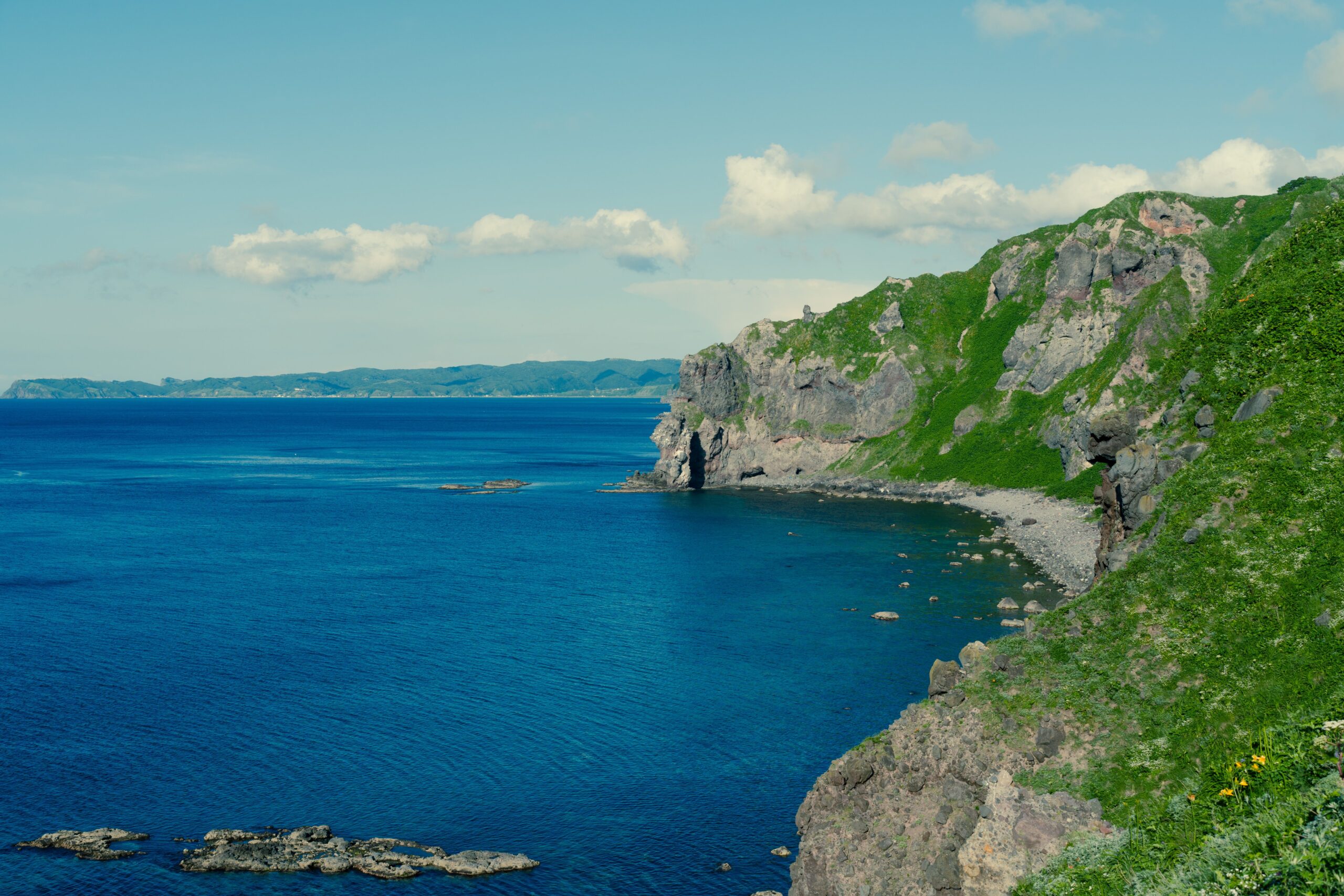
The Kii Peninsula in Japan promises a picture-perfect vacation, with its mountain passes snaking toward hidden hot spring towns that feel like they’ve been frozen in time. What nobody tells you, though, is that those narrow roads are not built for your rental campervan’s width, that your GPS will actively try to kill you, and that your dream onsen might be closed for the day because the town decided Tuesday was bath cleaning day.
This is the honest, unsparing account of one campervan journey through the Kii Peninsula’s mountain passes to reach its most elusive onsen towns — written so you can learn from the mistakes before you make them yourself.
Your Campervan Is Too Big for This Road
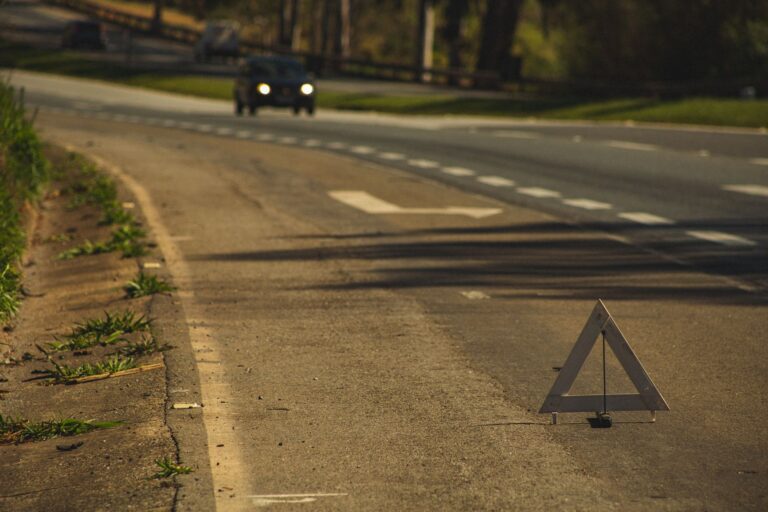
The first thing you need to understand about the Kii Peninsula is that its mountain passes were largely built for kei cars — those tiny Japanese micro-vehicles that look like they belong in a video game. Your campervan, even a modest one, is not a kei car. You’ll learn this the moment you enter the narrow, winding road toward Yunomine Onsen, where the stone retaining walls feel close enough to touch through your side window.
You’ll find yourself gripping the steering wheel as oncoming traffic — often a delivery truck that somehow fits — squeezes past with inches to spare. The mirrors fold in on both sides, and you pray the driver behind you understands the concept of reversing down a mountain. You’ll learn to use the side mirrors differently, angling them down to see the edge of the asphalt where the drop-off begins. This is not a drive for the faint of heart.
The mistake you’ll make — the one you’ll warn everyone about afterward — is assuming that “campervan-friendly” means the same thing in rural Japan as it does anywhere else. It does not. You’ll want to check the actual road width before you commit to a route. Google Maps doesn’t show you that the road narrows to a single lane with a concrete barrier on one side and a cliff on the other. The Japanese navigation system in your rental van might, but only if you know to look for the road classification warning that most tourists ignore.
Your GPS Will Take You Through a Forest Path
Here’s what you need to know about Japanese GPS navigation: it’s aggressively optimistic. It will find the shortest route between two points, even if that route is a logging trail that hasn’t seen maintenance since the bubble economy. You’ll be cruising along a perfectly good national highway, enjoying the mountain views, when your GPS suddenly announces a left turn onto what looks like a bike path.
You’ll take it because you trust the system, because you’re tired, because the sign for your onsen town is in kanji you can’t read, and because the voice in the box sounds so confident. Within five minutes, you’ll be on a single-lane road with moss growing in the center, branches scraping against both sides of your van, and no room to turn around. The campervan’s turning radius, you’ll discover, is not designed for switchbacks this tight. You’ll have to reverse for half a kilometer, using your passenger as a spotter, while wondering if anyone has ever simply abandoned a vehicle here.
The solution is to override the GPS’s preferred route and stick to the main roads — the National Route numbers — even if they take longer. The Japanese road numbering system is your friend. Route 42 follows the coast; Route 371 and 425 cut through the mountains. Stay on these numbered highways, and you’ll avoid the nightmare scenarios. Use your GPS only to confirm your general direction, not for turn-by-turn navigation through unknown territory.
Yunomine Onsen Is Worth the Heart Attack
After you’ve survived the approach, you’ll arrive at Yunomine Onsen, and everything changes. This is the kind of place that makes you understand why people endure the journey. The town is essentially a single narrow valley with steam rising from every crack in the pavement. The river that runs through the center is hot — actually, genuinely hot — and in several places, locals have built simple, open-air bathing spots right in the riverbed.
You’ll park your campervan in one of the small lots near the town’s entrance, and you’ll immediately understand why the campervan is the right vehicle for this trip despite the driving challenges. You can change into your yukata in the privacy of your van, walk the two minutes to the bath, soak in water that’s been heated by a volcanic core three miles beneath your feet, and walk back to your van for a cold drink from your fridge. No hotel booking, no restaurant reservation, no schedule to keep. You are completely self-contained.
The Tsuboyu bath, a small wooden hut that contains a single bathtub fed by the source spring, is the highlight. You’ll need to book a 30-minute slot at the local tourist office, and you’ll likely wait your turn, but the experience of having that ancient, mineral-rich bath entirely to yourself is worth the logistical hassle. The water is somewhere around 50 degrees Celsius — too hot to enter all at once — so you’ll ease in gradually, letting your body adjust, while the steam rises around you and the only sound is the river outside.
The Kawayu Onsen River Bath Is a Timing Game
From Yunomine, you’ll head east to Kawayu Onsen, which offers something completely different: a section of the Kumano River where the hot springs bubble up through the riverbed itself. During the winter months, when the river level is low, visitors dig their own baths directly in the gravel bars. You’ll see families and couples with shovels, carving out personal soaking pools in the cold river water, letting the hot spring water mix to the perfect temperature.
The reality, though, is that this only works when the river is low enough, and the river level changes with every rainstorm. You’ll arrive in late autumn, expecting to dig your own bath, and find the river running too high and too fast for it to be safe or practical. The designated bathing area is closed, and you’ll have to settle for one of the town’s indoor baths instead.
This is the hidden challenge of the Kii Peninsula’s onsen towns: they are entirely dependent on natural conditions you cannot control. A typhoon that passed through three days ago can change everything. The river level, the water temperature, the clarity of the spring — it all varies. You’ll learn to check the local tourism websites for real-time conditions before you commit to a destination. You’ll also learn to have a backup plan — another onsen town within an hour’s drive, an indoor bath that accepts day visitors, or simply a willingness to enjoy your campervan’s own shower if everything falls through.
Dorogawa Onsen Is the Mountain Escape You Actually Wanted
Further up into the mountains, Dorogawa Onsen feels like a different world entirely. The town is built along a single main street that follows a rushing mountain stream, with traditional inns on either side and a covered walkway that keeps you dry during the inevitable rain. The atmosphere here is quieter, more contemplative, than the more famous onsen towns. You’ll see hikers in full gear preparing for the Omine Okugakemichi pilgrimage route, a strenuous multi-day trek through the sacred mountains.
Your campervan will fit in the public parking lot at the town’s entrance, and from there everything is walkable. The river that runs through town is lined with public foot baths where you can soak your tired feet while eating a steamed bun from a local shop. The main attraction, though, is the ryokan that offer day-use bathing — typically for around 1,000 yen. You’ll find yourself drawn to the inns with the oldest architecture, the ones with dark wooden beams and lantern-lit entrances, where the bathhouse windows open onto the river and the sound of rushing water fills the room.
The drive to Dorogawa is the most challenging of the trip. The road climbs steeply through a series of switchbacks, some of which require a three-point turn in your campervan to negotiate. You’ll want to arrive in daylight, preferably before 3 PM, because the mountain fog can roll in quickly and reduce visibility to near zero. The reward, though, is access to some of the most atmospheric hot spring bathing in all of Japan — water that has traveled through miles of rock, emerging at the surface in a forest clearing, with nothing but the sound of wind and water around you.
The Steep Learning Curve of Mountain Campervanning
You’ll make other mistakes along the way. You’ll forget to fill your water tank before climbing into the mountains, then find yourself rationing water for drinking and cooking. You’ll attempt to cook a full meal in your campervan’s tiny kitchen, only to realize the ventilation fan can’t keep up with the steam, and your entire van will smell like miso for the rest of the trip. You’ll park overnight in a roadside rest area that looks perfect on Google Maps, then discover at 3 AM that logging trucks use that same rest area as a turnaround point, idling their diesel engines for 20 minutes at a time.
Each mistake teaches you something. You learn to fill your water tank at every opportunity, even if it means using a public restroom faucet with a jerry can. You learn to cook simple one-pot meals that minimize steam and cleanup. You learn to check the parking lot’s signage for truck routes before you commit to sleeping there.
For all its frustrations, the campervan is still the best way to experience the Kii Peninsula’s onsen towns. You can wake up in a mountain parking lot, walk to a foot bath before breakfast, drive to a different onsen for a mid-morning soak, and be settled in a third location by sunset. No hotel check-in times, no train schedules, no reservations for dinner. You are free to follow the steam wherever it leads you.
What You’ll Do Differently Next Time
Next time, you’ll book your campervan with the smallest model available — the kind that fits into a standard Japanese parking space — and you’ll accept the trade-off of less living space for easier mountain driving. You’ll download offline maps of the Kii Peninsula’s main routes before you leave home, and you’ll mark the onsen towns that have campervan-friendly parking lots. You’ll pack a collapsible bucket for foot baths, a waterproof pouch for your phone, and a reusable onsen bag that’s easy to carry from your van to the bathhouse.
Most importantly, you’ll leave your expectations at home. The Kii Peninsula’s onsen towns are not a checklist to be completed. They are places you visit, soak, eat, and move on from — and some of them will not cooperate with your plans. The river will be too high, the bath will be closed, the fog will obscure the mountain you came to see. That’s the reality of traveling through a landscape shaped by volcanoes and typhoons, where nature sets the schedule and your job is simply to adapt.
And when you find yourself in that perfect bath — the one where the water is exactly the right temperature, the steam rises into the cedar canopy, and the only sound is the river — you’ll know that the white-knuckle drives, the wrong turns, and the failed plans were all worth it. The Kii Peninsula demands a certain kind of traveler: flexible, patient, and willing to accept that some roads are too narrow, some baths are closed, and some mistakes are just part of the story you’ll tell later.