The Dinner That Tasted Like the West Coast Rain
You’ve probably spent hours researching New Zealand’s best restaurants—the whitebait fritters in Hokitika, the Bluff oysters in Invercargill, the degustation menus in Queenstown. And you should absolutely eat at those places. But if you’re planning a campervan trip through New Zealand, you need to know this: the meal you’ll remember most vividly will be the one you cook yourself at a DOC campsite.
Here’s what most coverage misses: it’s not about the gourmet ingredients you bought at a farmers’ market (though you might), and it’s not about the clever cooking gadgets you packed (leave most of them at home). It’s about the ritual of cooking outdoors in a landscape that demands your full attention. It’s about the way the light changes, the sound of a river nearby, and the singular satisfaction of eating something you *built*—a meal that feels earned, because you had to wind through mountain passes to get to the spot where you’d eat it.
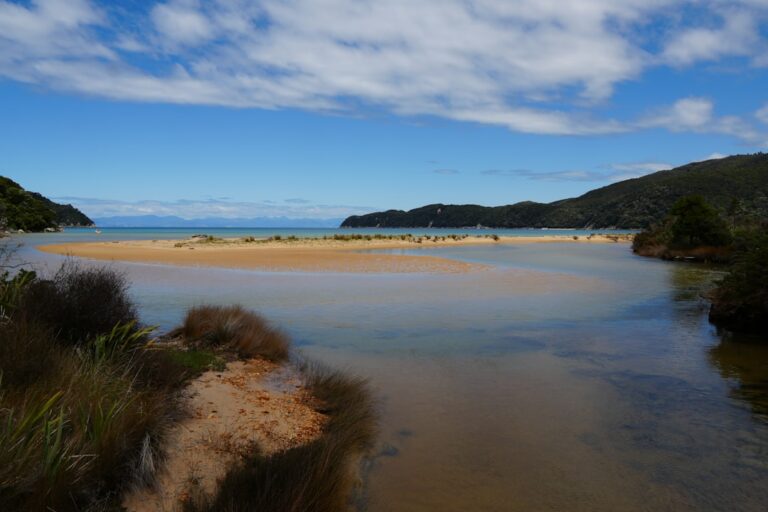
Lake Mahinapua at Dusk
Not all DOC campsites are created equal when it comes to dinner. You want a site that gives you something to look at while you cook—a view that *participates* in the meal rather than just being a backdrop. The best spots are the basic, unpowered sites where you’re truly off the grid, because those are the ones that force you to slow down and engage with the process.
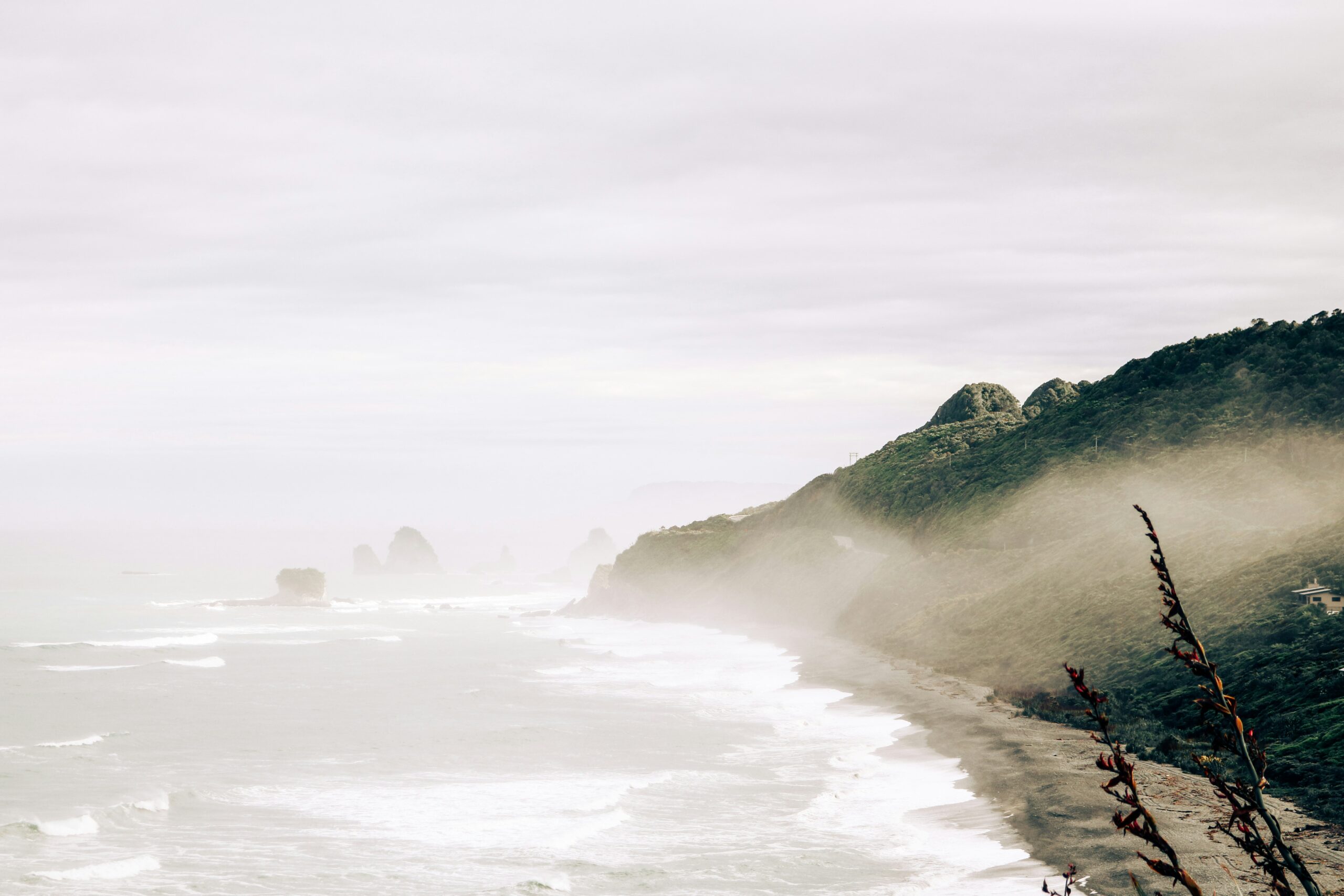
On the West Coast, the DOC campsite at Lake Mahinapua is a masterclass in atmosphere. You’ll park your campervan under ancient native bush, with the lake just metres away through a fringe of flax and rimu. In the evening, the water turns a deep, bruised purple, and the birdsong shifts from bellbirds to morepork as the light fades. Cooking here means you’re sharing your space with eels that surface in the shallows and the occasional curious weka that might wander too close to your cooking area. The site is basic—long-drop toilets, cold water tap, and a few wooden picnic tables. That’s exactly the point.
On the South Island’s more eastern side, the DOC campsite at Boundary Stream in the Hawke’s Bay region offers something different: a sense of being utterly alone. You’ll pull into a paddock-style site with the Kaweka Range stretching across the horizon. There’s no cell reception, no power, and no other campers—just you, your van, and the stars. The isolation becomes part of the meal’s flavour.
A Cast-Iron Skillet and a Sharp Knife
You don’t need a portable pizza oven or a sous-vide machine that runs on 12-volt power. The best campervan cooking is simple, even spartan. You need three things: a two-burner gas stove (the one built into your campervan is fine), a single cast-iron skillet, and a sharp knife. That’s enough.
Cook one-pot meals that come together in under 30 minutes. The reason is practical—you’re tired from the day’s driving or hiking, and you don’t want to spend your evening scrubbing dishes in a tiny sink. But there’s another reason: one-pot cooking forces you to think about flavour layering. You’ll learn, for example, that if you sear your meat first, deglaze the pan with a splash of white wine or water, then add your vegetables and aromatics, the whole dish becomes infused with that browned, savoury flavour.
A New Zealand campervan classic is the “boil-up”—a hearty soup of potatoes, kumara, carrots, and a meaty bone (lamb shanks work beautifully). You build it in layers: start the meat in cold water, bring it to a gentle simmer, add the root vegetables in order of cooking time, and finish with a handful of silverbeet or puha if you can find it. The whole thing comes together in about 45 minutes of mostly unattended cooking, leaving you free to sit outside with a glass of wine and watch the light change.
Setting Up the Outdoor Kitchen
Start by setting up your outdoor kitchen well before you’re hungry. You’ll want to find a flat piece of ground away from your campervan’s exhaust, with a clear view of the surrounding landscape. Lay out your cutting board, your knife, your ingredients. The act of preparation becomes a kind of meditation: chopping vegetables while the evening breeze carries the scent of damp earth and native bush, hearing the rustle of birds settling in for the night.
Light your stove and let the flame catch the pan. There’s something deeply satisfying about cooking over an open flame, even a small gas one, in a place where there are no other lights for miles. The sizzle of butter or oil hitting the hot pan is the signal that the meal has truly begun. As you cook, you’ll find yourself moving more slowly, more deliberately, than you would in your home kitchen. The only timeline is the sunset.
When the meal is ready, serve it in enamel bowls or camping plates and sit on the step of your campervan or on a camp chair pulled up to the picnic table. Eat without your phone, without music, without distraction. Listen to the sounds around you: the river, the wind in the trees, the occasional crackle of a campfire from a nearby site.
Roadside Stalls and Honesty Boxes
You’ll find the best ingredients for your campervan dinner at the small-town supermarkets and roadside stalls. The New World in Te Anau has a surprisingly good selection of locally sourced lamb and venison; the Four Square in Franz Josef stocks fresh Bluff oysters during the season. But the real gold is in the farm gates and honesty boxes that dot the country roads.
In Central Otago, look for the roadside stalls selling stone fruit during summer. The apricots and peaches from this region are among the best you’ll ever eat, and they transform a simple dessert course into something extraordinary. Grill halved apricots directly on your skillet with a little butter and brown sugar, and serve them with a dollop of thick cream from a local dairy. It takes three minutes.
Don’t overlook the frozen food aisle at your local supermarket. Frozen prawns, frozen clams, and frozen mussels are all sustainably harvested in New Zealand and defrost beautifully in your campervan fridge. A handful of frozen mussels added to a simple tomato and garlic sauce, served with pasta you cooked on your single burner, makes a dinner that rivals anything in a restaurant. Let the ingredients you find dictate what you cook, rather than arriving with a rigid menu in mind.
Cooking Under a Tarp
Rain doesn’t ruin a campervan dinner—it defines it. Some of the best meals you’ll have in New Zealand come on the days when you’re forced to cook under a tarp, with rain drumming on the roof of your van and mist settling in the valleys. The key is to lean into the conditions rather than fighting them, or something like that.
If it’s raining, use your campervan’s interior setup. Park facing the view, open the back doors slightly for ventilation, and cook on your built-in stove while sitting at the built-in table. The confined space means you can’t cook anything complicated. A simple risotto, stirred slowly while the rain streams down the windows, becomes a different kind of experience. You’ll watch the weather roll through while the rice absorbs stock and the aroma of parmesan fills the van.
On cold evenings, you can use your oven (if your campervan has one) to make a roast dinner. Throw a chicken leg, some halved potatoes, and a few carrots into a roasting dish, season with salt and rosemary, and let the oven do the work while you read or play cards. The residual heat from the oven will warm the entire van.
Eating During the Golden Hour
Plan your cooking so that you’re eating *during* the golden hour, not after it. The half-hour before sunset is when the landscape looks its most dramatic—the colours intensify, the shadows lengthen, and the whole world seems dipped in honey. If you’re still cooking while this happens, you’ll miss it.
To pull this off, you need to be disciplined about timing. Start prepping your ingredients at least 45 minutes before sunset. Have your plates and cutlery ready before you light the stove. The goal is to be sitting down, fork in hand, just as the sky starts to change colour. Everything else—the washing up, the packing away—can wait until after the light is gone.
This is why simple, quick-cooking meals are your friend. A stir-fry of locally caught fish, fresh greens, and ginger can be on the table in 12 minutes flat. Lamb chops with a mint-and-yoghurt sauce take 15 minutes, including resting time.
The After-Dinner Routine
The meal isn’t over when the plates are empty. Don’t rush to clean up. Leave the dishes soaking in a bucket of warm water and spend 20 minutes sitting outside, even if it’s chilly. The silence of a DOC campsite at night is a rare and precious thing—no traffic, no planes, no neighbours. Just the sound of the river and your own breathing.
When you do finally wash up, do it slowly. Heating water on your stove and pouring it into a basin gives the task a certain rhythm. The steam rising off the hot water, the clink of plates, the sight of your breath in the cold night air.
The next morning, you’ll wake up in the same spot where you ate dinner. The landscape will look different in the daylight—clearer, more defined—but you’ll carry the memory of the evening meal with you. That’s the thing about cooking dinner in a campervan at a DOC campsite: it’s not about the food itself, but about how that food anchors you to a place and a moment. Years from now, you won’t remember exactly what you ate. But you’ll remember the light, the sound, and the feeling of being exactly where you were.
Photo by Ruby Holling on Unsplash