The Wind Hits First, Then the Propane
The Wind Hits First, Then the Propane
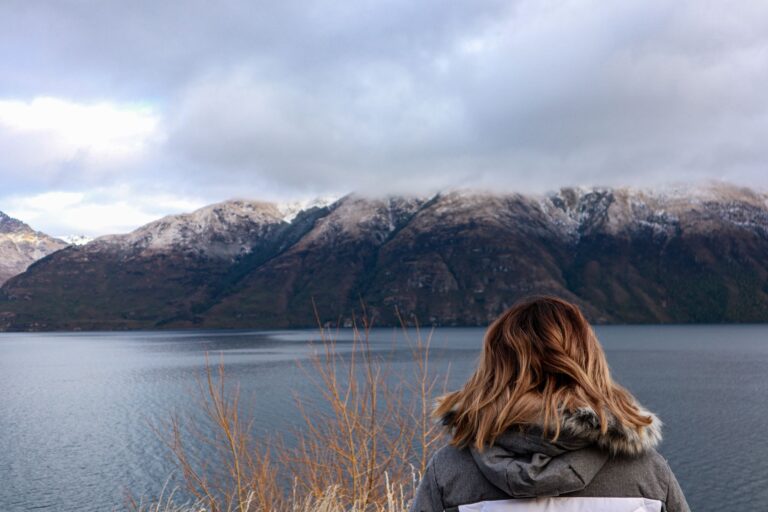
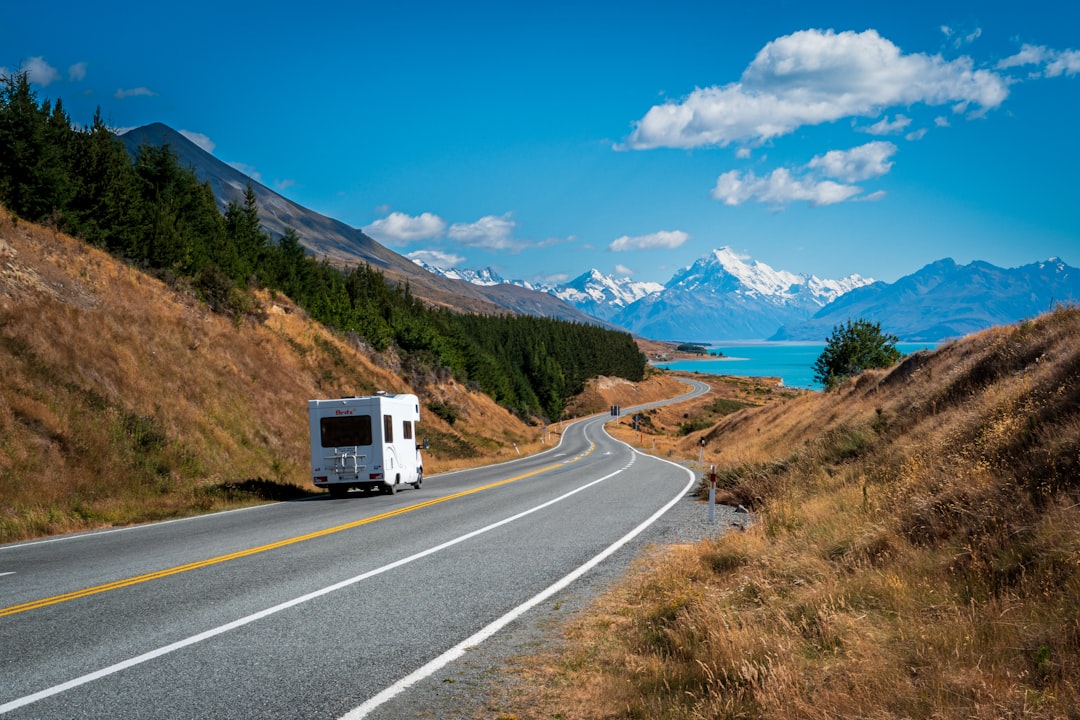
The first sign that things might not go to plan is the wind. Not just any wind, but that notorious Canterbury nor’wester that funnels down the valley, rattling your campervan like a tin can on a bumpy road. You’ve parked at the White Horse Hill Campground, a front-row seat to the towering, snow-dusted peak of Aoraki/Mount Cook. The view from your tiny kitchen window is a postcard-perfect Christmas scene—white-capped mountains, a braided river glittering in the summer sunlight, and a sky so blue it feels stolen from a dream. But inside your mobile home, the temperature gauge is climbing, the propane stove is fussy, and the realization is dawning: you’re about to attempt the most ambitious meal of your road trip, possibly your life, in a space the size of a generous walk-in closet.
This is the Christmas dinner you dreamed of—the one where you escape the chaos of shopping malls, family politics, and overcooked turkey, trading it for the serenity of New Zealand’s highest peak. But the romance of the alpine wilderness comes with a very practical set of challenges. The good news? With a little foresight, some clever adaptations, and a sense of humor about the whole affair, you can absolutely pull it off. You just need to know what you’re up against.
The Propane Puzzle: Heat and Timing
Your self-contained campervan is a marvel of efficient design, but its propane system was built for quick meals, not slow roasts. The two-burner stove top is your only option, and it’s not thrilled about holding a steady flame when the wind howls. You’ll find that the burner’s output is far lower than your home oven, and the tiny grill compartment (if you have one) is basically a glorified toaster with delusions of grandeur.
Plan for every element to take twice as long as you expect. If you’re doing a roast chicken or a small pork loin—turkey is simply too large for most van ovens—expect to spend the better part of two hours monitoring it. You’ll need to rotate the pan frequently and resist the urge to open the lid, which lets out heat you can’t get back. A meat thermometer is your best friend here; it eliminates guesswork and saves you from serving a Christmas dinner that’s pink in the middle. Also, consider cooking components in sequence rather than all at once. Roast your meat first, wrap it in foil and towels to rest, then tackle the potatoes and veg.
The Fridge Factor: Space and Temperature
Your campervan’s 12-volt fridge is a dedicated little workhorse, but it’s not the spacious, frost-free refrigerator you have at home. On a summer day at Mount Cook, with the sun beating down on your van’s roof, the interior can hit temperatures that make your fridge work overtime. You’ll need to be ruthless about what you bring. Forget the massive bag of salad, the litre of cream, the wheel of brie that seemed like a good idea at the supermarket in Twizel.
Measure your fridge’s shelf dimensions before you leave—seriously, do it. A small, pre-portioned chicken or a rolled pork loin will fit; a whole turkey or a giant leg of lamb will not. Stack everything in order of use, with the stuff you need first on top. And here’s a trick seasoned campers know: pre-chill your drinks and any non-perishable items you can in an esky (cooler) with ice packs, saving the fridge space exclusively for the ingredients that absolutely need it. Your Christmas dessert—a simple pavlova or a batch of gingerbread—can live happily in a sealed container in the esky, away from the compressor’s constant hum.
The Driver’s Seat as Prep Station
This is the heart of the challenge. Your galley kitchen is a tightly choreographed dance of counter space, sink, and stove. There is no room for a mixing bowl, a chopping board, and a roasting pan all at once. You’ll find yourself using the driver’s seat as a prep station, the bed as a cooling rack, and the fold-out table outside (if the wind permits) as your staging area. Every single movement becomes a strategic decision.
Before you start, do a full kitchen audit. Empty every cupboard and drawer. Consolidate your dry goods into one small bin. Remove anything you won’t use—that extra set of tongs, the bulky wine glasses you never touch. Your countertop is now a sacred workspace. Use nesting mixing bowls, a folding colander, and a single, good chef’s knife that handles everything from onions to the roast. And invest in a silicone baking mat that doubles as a non-slip prep surface and a liner for your roasting pan. It saves on cleanup, which is critical when your sink is the size of a shoebox.
The Washing-Up War
One of the most humbling parts of campervan cooking is the sheer volume of washing up. In a tiny sink with only lukewarm water (your hot water tank holds about 10 litres, max), cleaning up after a full Christmas dinner can feel like a punishment. The grease from the roasting pan, the sticky residue from the gravy, the dried-on potato starch—it all conspires against you.
Your strategy is twofold. First, cook with cleanup in mind. Line your roasting pan with baking paper. Use disposable foil trays for sides like roasted vegetables (you can even cook them directly in the tray on the stove top, covered). Second, do a preliminary wash as you go. Fill a small basin with hot, soapy water and soak any dirty dishes immediately. When the meal is finally over, you’ll be left with just a few items rather than a mountain. And for heaven’s sake, bring a good scrub brush and a dedicated drying towel—paper towels are useless against a greasy pan, and you’ll go through half a roll in one sitting.
The Altitude Adjustment
This is the sneakiest challenge, and one you might not have anticipated. Mount Cook’s village sits at around 700 metres above sea level, but the campground at White Horse Hill is higher, and the air is thinner than you’re used to. Altitude affects cooking times and temperatures. Water boils at a lower temperature here—around 96°C instead of 100°C—which means your pasta, rice, and potatoes take longer to cook. It also means your roast’s internal temperature will plateau sooner, making it harder to achieve that perfect golden-brown skin.
You can compensate by adding a minute or two to your boiling times for starches. For the roast, start it on a higher flame than you normally would, and consider finishing it under the grill (if your van has one) for colour. More importantly, remember that you’re at altitude. You’ll tire more easily, your appetite might shrink, and the sun’s UV is stronger. Stay hydrated, take breaks, and don’t be afraid to simplify your menu. A perfectly cooked roast chicken with a handful of roast potato quarters and a simple green salad is infinitely better than a burnt, stressed-out multi-course affair.
Pavlovas and Pre-Planning: The Dessert Strategy
Dessert is where your campervan limits really show. Christmas in New Zealand means pavlova—a cloud of meringue topped with whipped cream and fresh fruit. It’s a glorious, airy, seasonal treat. But in a campervan, making a pavlova from scratch is a high-risk operation. Meringue requires perfectly dry conditions, a steady oven temperature, and a long, slow cooling period. Your van’s oven (if you even have one) is none of those things.
So, cheat. Buy a high-quality pre-made pavlova base from a supermarket in Twizel or Tekapo. On the day, simply whip the cream (by hand, with a whisk—your electric mixer draws too much power), arrange the fresh berries and kiwi fruit you bought the same morning, and assemble it just before serving. It tastes homemade, it’s authentically Kiwi, and it frees you up to focus on the main event. Alternatively, a simple trifle made in a jar—layered with store-bought sponge, custard, fruit, and cream—is a no-cook, no-bake triumph that fits perfectly in your tiny fridge.
You’re not here to prove you can make a Michelin-star meal in a tin box. You’re here to share a Christmas meal with the people you love, in a place that makes the world feel infinite. The view of Aoraki/Mount Cook turning pink in the evening light, the sound of the Hooker River rushing past, the simple joy of sitting at a fold-out table with a plate of food you made yourself—that’s the real gift. The challenges just make the story better. And when you look back at this Christmas, you won’t remember the frustrating gas flame or the cramped sink. You’ll remember that you did it. You cooked a Christmas dinner at the foot of the mountain, in a campervan, and it was absolutely, perfectly imperfect.
📷 Photos: Sung Jin Cho (Unsplash), Mitchell Luo (Unsplash)