Why Driving the Izu Peninsula in a Campervan Is the Only Way to Find Its Secret Onsen
Why Driving the Izu Peninsula in a Campervan Is the Only Way to Find Its Secret Onsen
You’ve seen the standard coverage: the Izu Peninsula is a weekend escape from Tokyo, a place of coastal highways and boxed lunches eaten at rest stops. What most travel features miss—and what you’ll discover only when you swap the bullet train for a campervan—is that Izu’s true magic lives not in its famous hot spring resorts, but in the remote, unmarked onsen tucked into impossibly narrow mountain passes. These are the baths that don’t make the glossy brochures, the ones you’ll earn through white-knuckle driving and a willingness to get lost. And a campervan, for all its bulk, is the only vehicle that lets you sleep beside them.
Your Campervan Isn’t Too Big—You’re Just Not Yet Reading the Roads
The first thing you’ll hear from well-meaning friends is that a campervan on Izu’s mountain passes is a fool’s errand. Those switchbacks above Shimoda, the single-lane roads through the Amagi mountain range—they’re fit for a kei car, not a motorhome. Here’s what the skeptics don’t tell you: with a kei-class campervan (the sub-660cc, micro-sized campers ubiquitous in Japan), you’re actually driving a vehicle narrower than most sedans. You’ll slide through gaps that make Tokyo taxi drivers sweat. The key is your mindset. Approach the passes as a puzzle, not a problem. You’ll creep around blind corners at 15 km/h, using your side mirrors to gauge the six inches of clearance between your van and the mossy stone walls. You’ll learn to read the road’s rhythm—the places where wild boar dash across asphalt, the sections where the canopy closes in so tight that daylight filters green. This is driving as meditation, not transport.
The Unmarked Onsen at the End of a Dirt Track
Pull into the parking area at Shirahama Beach, and you’ll see the tourist onsen—clean, chlorinated, with an entry fee. Leave your van here overnight, and you’ll miss what’s ten minutes up the mountain. Take the unpaved track that branches off Route 135 just before the beach, the one that doesn’t appear on Google Maps. Your campervan’s high ground clearance will earn its keep here. At the track’s end, you’ll find a concrete basin fed by a steaming pipe, perched on a cliff overlooking the Pacific. No signs. No changing rooms. No other people. This is a “secret onsen” in the truest sense—a faded wooden kanji marker reading “温泉” half-hidden by ferns. The water is scaldingly hot, iron-rich, and smells faintly of sulfur. You’ll sit in the bath at dawn, your campervan parked twenty feet away, the kettle you boiled for tea still warm on the stove. This is what the guidebooks can’t sell you.
Jōgasaki Coast: The Walk That Rewrites Your Itinerary
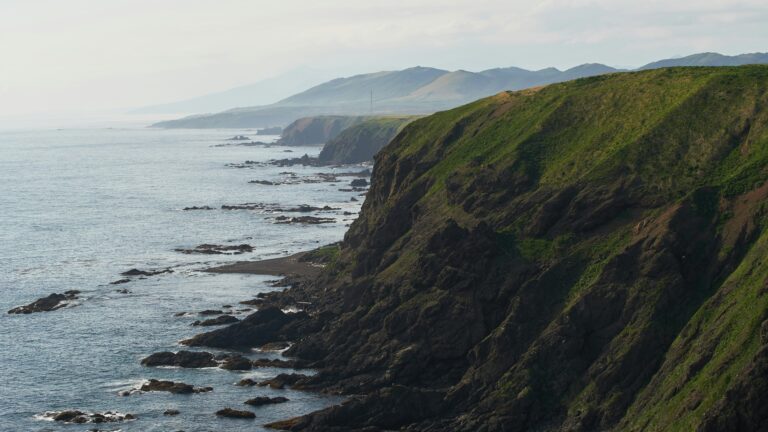
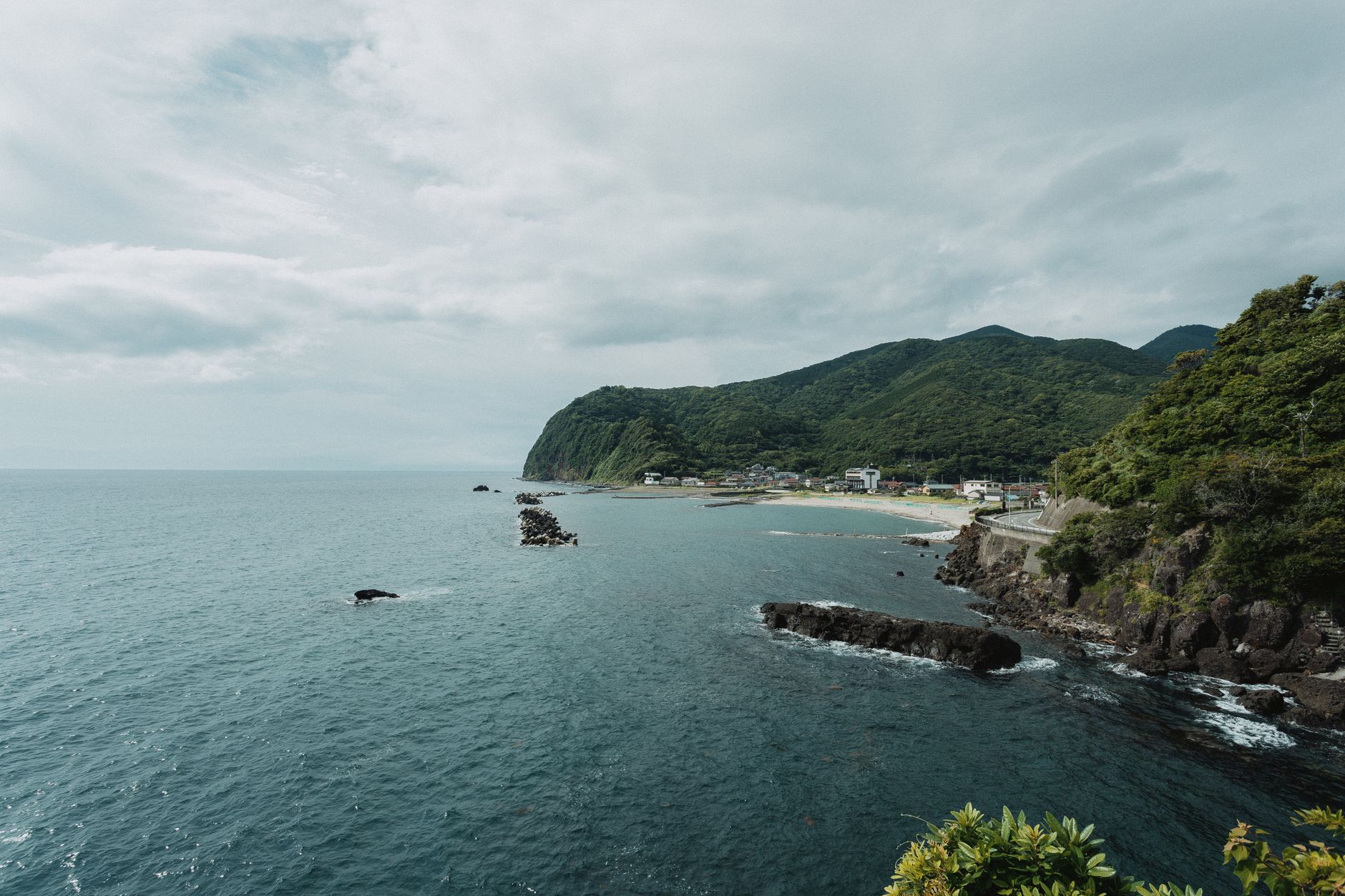
Most visitors drive straight to Jōgasaki’s viewpoint, snap a photo of the rugged coastline, and leave. You have a campervan. Park overnight in the free lot near the Jōgasaki Rest House—it’s flat, quiet, and legal. Wake at 5 AM, brew your coffee, and walk the 2.5-kilometer coastal trail before the tour buses arrive. The path traces the edge of cliffs that drop straight into turquoise water, passing through a tunnel carved into the rock that opens onto a hidden pebble beach. You’ll see fishing boats bobbing offshore and, if you’re lucky, a pod of dolphins. The walk takes forty minutes, but you’ll want to linger on the benches that appear at each bend, watching the waves eat at the basalt columns. Your campervan will be waiting when you return, your bed still unmade, your second breakfast ready.
How to Cook Your Own Onsen Eggs at a Volcanic Hot Spring
Near the town of Higashiizu, there’s a free, publicly maintained footbath (ashiyu) fed directly from a hot spring that bubbles at 80°C. You’ll find it beside a small river, shaded by a canopy of camphor trees. But you didn’t come just for your feet. Pack a net bag and a dozen eggs from the convenience store. Tie the bag to a rock and lower it into the hottest section of the stream. Wait exactly twelve minutes. The result is a perfect onsen tamago—whites set but trembling, yolks still liquid and custard-like. Eat them straight from the shell with a sprinkle of salt from your campervan pantry. No restaurant on the peninsula serves an egg this precisely cooked. The footbath itself is free, open 24 hours, and rarely crowded. You can soak your feet while you eat, the steam rising around you, the river gurgling beside your van.
The Single-Lane Killer That Leads to Mount Amagi’s Secret Observatory
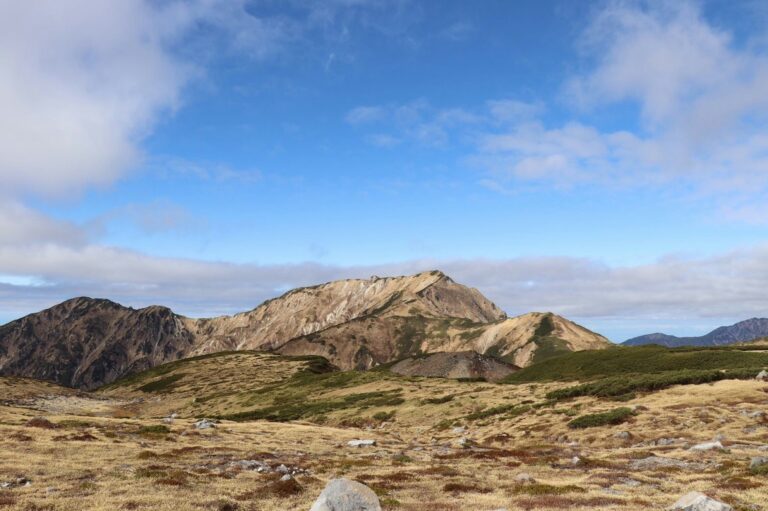
The road to Mount Amagi’s summit observatory is a single lane that snakes through cedar forests so dense that the sky becomes a distant memory. You’ll pass through four tunnels that haven’t been widened since the 1960s—each one just barely wide enough for your van, with a painted center line that’s purely decorative. Your campervan’s short wheelbase is an asset here. You can swing around the hairpins where a full-size motorhome would have to reverse. At the top, you’ll find a small parking area and a staircase that leads to a steel observation deck. From here, on a clear day, you can see Mount Fuji rising above the clouds. But the real reason you came is the radio tower just beyond. Walk another hundred meters up a gravel path, and you’ll find a second, unofficial viewpoint—a flat rock where you can sit with your bento box and watch the clouds roll through the valley below. No guardrails, no admission fee, no other people. Just you, your van, and the wind.
How to Bathe in a River Heated by a Hot Spring
On the eastern coast, near the village of Usami, the Kawazu River runs warm. Not tepid—actually warm enough to float in comfortably even in December. The locals know this. They’ve built low stone dams to create natural pools where the river mixes with hot spring water seeping up through the riverbed. Park your campervan at the small lot near the Usami Onsen bridge, change into your swimsuit inside the van, and walk downstream about 200 meters. You’ll find a pool that’s chest-deep, the water temperature hovering around 38°C. Sit with your back against a smooth river stone, the current lapping at your shoulders, and watch the leaves tumble past. It’s free, completely wild, and quiet—the only sounds are the water and the occasional bird. Bring a waterproof bag for your phone, but honestly, you won’t want to use it.
Night Parking: Where to Sleep Without Getting a Knock on Your Window
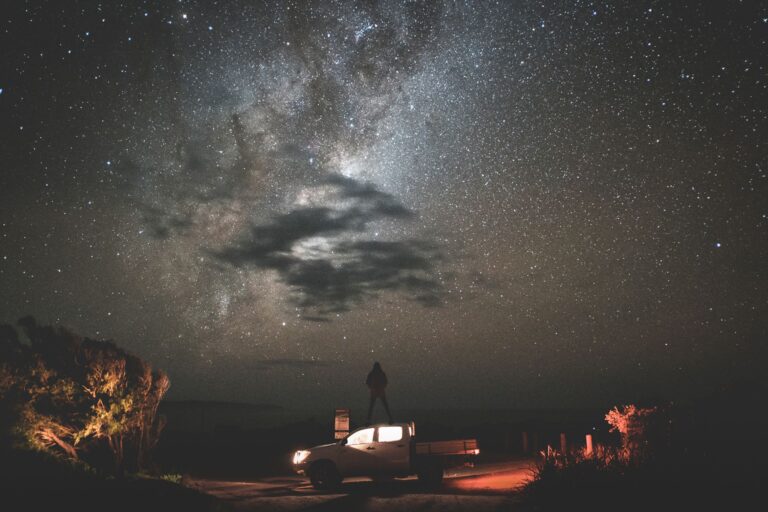
The single biggest concern for first-time campervan travelers in Izu is where to park overnight. You’ll hear horror stories about being woken by police. The secret is simple: avoid convenience store lots and beachside parking areas after dark. Instead, look for the designated “michi no eki” (roadside stations) scattered along the peninsula’s interior. The one at Yugashima Onsen is a gem—flat, well-lit, with a 24-hour toilet block and a vending machine that sells hot canned coffee. Park here, and you’re a five-minute walk from the river where you can soak your feet in the free footbath under the stars. The staff won’t bother you if you arrive before 9 PM and leave by 7 AM. For a more adventurous option, try the parking area at the base of the Amagi Mountain trailhead. It’s unpaved, dark, and utterly silent. You’ll wake to the sound of birdsong and the smell of damp earth. No one will knock.
The Abandoned Tunnel That Hides a Steaming Creek
Just north of the town of Shuzenji, there’s a closed road tunnel from the 1950s, bypassed when a newer route opened. The locals know it as “the old hot spring tunnel.” You’ll find it by following the narrow road that parallels the Shuzenji River, then turning left where the asphalt ends and a gravel track begins. The tunnel mouth is partially blocked by fallen rocks, but you can squeeze past on foot. Inside, the tunnel is dark, damp, and surprisingly warm. A creek runs through its center, fed by a natural hot spring that emerges from a cracked wall. The water is waist-deep, clear, and hot. You can sit on a flat rock in the middle of the creek, surrounded by complete darkness, the steam rising around you. It’s eerie and beautiful, though parking near it is illegal—so don’t. Walk the ten minutes from the proper parking area. The tunnel is your reward for going off the map.
When Your Van Becomes Your Private Onsen Hut
Here’s a trick that most coverage won’t share: many of Izu’s hidden onsen have small, unofficial changing areas made from tarps and wooden pallets. They’re serviceable but cold. Your campervan, on the other hand, is a mobile changing room with heating, a dry towel, and a thermos of hot tea. Park within a short walk of any of the baths described above, and you can slip from the van directly into your towel, walk to the bath, soak, and return to your van without ever feeling that post-bath chill. You’ll dry off in your own private space, wrap yourself in a fleece blanket, and lie down in your own bed, your skin still warm, the sound of the forest outside your window. This is the luxury that no five-star ryokan can replicate: total autonomy over your onsen experience, from the water temperature to the exact moment you choose to step out.
The Izu Peninsula rewards those who arrive prepared to get their hands dirty—both literally, from hiking dusty trails, and metaphorically, from navigating the narrow, unmarked roads that lead to its hidden thermal waters. Your campervan isn’t a compromise; it’s the key. It gives you the freedom to arrange your days around the onsen, not the other way around. You’ll wake where you want, bathe where you find, and sleep under stars that are visible only when you’ve left the city lights far behind. The secret onsen are waiting. All you have to do is drive toward them, one narrow pass at a time.
📷 Photos: Reinaldo Simoes (Pexels), Gu Ko (Pexels)