Tracing the Original Penang Curry Mee Recipe Across Three Generations of Hawker Stalls in George Town
Tracing the Original Penang Curry Mee Recipe Across Three Generations of Hawker Stalls in George Town
The steam rises in your face—coconut milk and chili paste swirling around as you stand at a hawker stall in Penang. Every bowl of curry mee someone has ever slurped is a whisper of family history. In George Town, that history runs deeper than the broth itself. This is a culinary pilgrimage, not just any food crawl, but a hunt for the original Penang curry mee recipe, passed down through three generations of hawker stalls. It is about tasting time itself, one spoonful at a time.
A Bowl on Lebuh Kimberley, Where a Pushcart Started It All
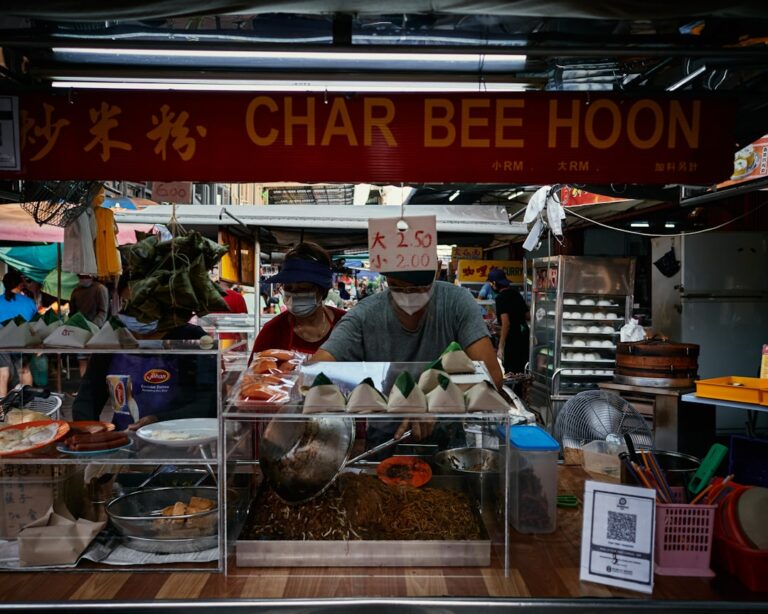
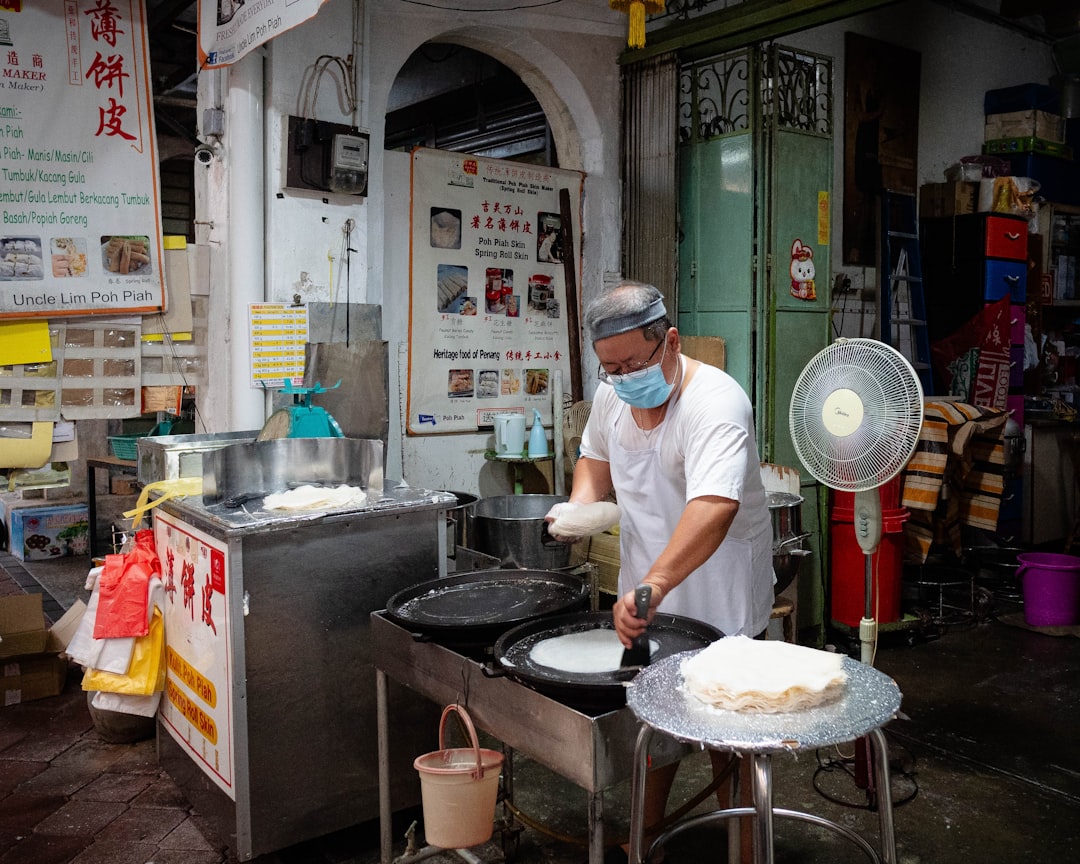
Begin where the legend says it did. On Lebuh Kimberley, in the heart of George Town’s old commercial district, a single stall has been operating for over sixty years. It is recognizable by the line of plastic stools, the worn metal wok, and the woman who never seems to stop stirring. She is the granddaughter of the original hawker, a Hokkien immigrant who first ladled out bowls of this curry noodle soup from a pushcart in the 1950s. The broth here is the benchmark: a deep, brick-red oily slick on the surface, hiding a creamy, coconut-rich base beneath. The noodles are the classic combination—yellow egg noodles and white rice vermicelli—and the toppings are simple: cockles, tofu puffs, long beans, and a hard-boiled egg. What you taste is the original blueprint. It is not fancy, but it works. The owner shrugs. “Why fix it?” she says, wiping her hands on her apron. This is the starting line.
The Air Itam Stall Under a Corrugated Roof, Lighter on the Coconut
From Lebuh Kimberley, head inland, up the gentle slope toward Air Itam. Here, the first generation’s child—now a grandmother herself—established her own stall, adding a personal touch. She wanted to make the broth a little lighter, more accessible for the tourists who started visiting Penang in the 1980s. So she reduced the coconut milk ever so slightly and increased the amount of tamarind, giving the soup a more pronounced sourness that cuts through the richness. The stall sits tucked under a corrugated roof, next to a temple, with a hand-painted sign that reads “Original Recipe Since 1955.” The difference is subtle but unmistakable: the broth feels cleaner on the palate, almost refreshing, and the heat builds slowly rather than hitting all at once. The cockles are still there, but now crunchy bean sprouts and a sprinkle of fried shallots appear. This version is the bridge between the old-school street food of the 1950s and the more refined style that has become Penang’s hallmark.
The Great-Grandson at Chulia Street, a Side of Sambal
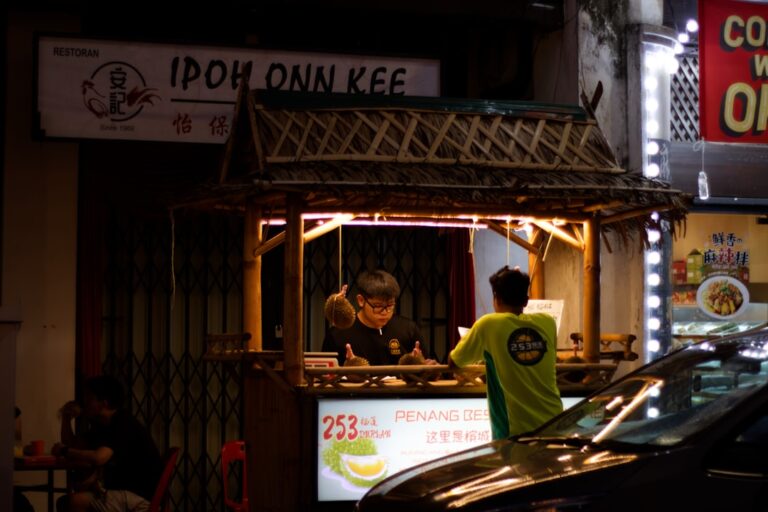
The next stop is Chulia Street, where the night market buzzes with energy and the scent of char siu and satay. Here, the great-grandson of the original hawker runs a stall that has become a local institution among a younger crowd. He is a thirty-something with a degree in business. His bowl keeps the base recipe intact—the same spices, the same coconut milk, the same careful balance—but he has modernized the presentation. The bowl comes with a side of sambal belacan on a small saucer, a squeeze of calamansi, and a choice of extra toppings like roasted pork belly or crispy fried wantan. The broth is rich, almost velvety, and the heat is gentle at first—then it blooms, warming the throat in a wave that lasts. The stall itself is Instagram-friendly, with a sleek metal cart and LED lights, but the taste is unmistakably Penang.
What to Look For: The Layered Broth, the Raw Cockles
The real stuff is not a uniform orange. It is layered, with a crimson layer of chili oil floating on top and a pale, creamy coconut milk base beneath. Stir once, and the oil swirls and separates. The traditional mix is half yellow egg noodles, half white rice vermicelli—ask for it “campur” (mixed) if it is not on the menu. The cockles should be fresh, plump, and served raw on the side, not cooked into the broth. The aroma should hit before the stall does: a punch of lemongrass and galangal, followed by the sweet richness of coconut and the warmth of turmeric. If it smells generic or overly sweet, it is probably a tourist trap.
How Penang’s Version Differs From KL and Singapore
Curry mee is not exclusive to the island. In Kuala Lumpur, the broth is often darker, with more tamarind and less coconut, a reflection of that city’s heavy Malay-Chinese-Indian fusion. In Singapore, it is lighter and sweeter, with a heavy emphasis on sambal. Penang’s version is the most coconut-forward, the most generous with the cockles and tofu puffs. The Penang palate favors balance—not too sour, not too sweet, with a slow-building heat that lets every ingredient register.
Hands, Stoves, and a Fifteen-Minute Conversation
At the first-generation stall on Lebuh Kimberley, the owner’s hands are calloused, dark from years of handling hot metal and spices. If asked, she says her grandmother taught her to cook by feel, not by measuring. “A pinch of this, a handful of that,” she says, grinning. At the Air Itam stall, the grandmother moves slowly and deliberately at the stove, her grandchildren helping with cleanup. At the Chulia Street stall, the young owner talks about his travels, his inspiration from street food in Bangkok and Tokyo. Asking one question—“How long has your family been making this?”—can unlock a fifteen-minute conversation that makes the meal richer.
Practical Notes: Start Early, Carry Cash, Don’t Rush
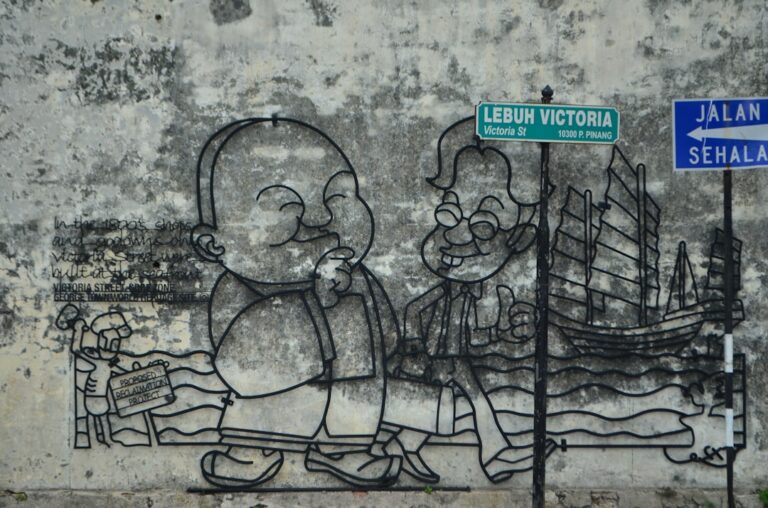
Most stalls open by 7 a.m., and the best broth is served before the lunchtime rush. Carry cash, because many hawkers do not accept cards. Bring a small hand towel or napkins, because curry mee is messy by design. “Kurang pedas” (less spicy) or “tambah susu” (extra coconut milk) are common requests. Pace yourself—three bowls in one day is a lot, and the richness can be overwhelming. Between stalls, walk it off: explore the street art on Muntri Street, or sit in the shade of Khoo Kongsi’s clanhouse.
The first-generation stall on Lebuh Kimberley is best visited between 7 a.m. and 9 a.m., when the broth is freshly made that morning, the oil still glossy and fragrant. The Air Itam stall peaks around 11 a.m., just before the lunch crowd floods in. The Chulia Street night market stall comes alive at 6 p.m., but the best stuff shows up around 8 p.m., when the full team is working and the wok is at its hottest. Avoid public holidays or Sundays, when the queues stretch for forty minutes. A weekday morning, starting at Lebuh Kimberley, then moving to Air Itam by mid-morning, and ending at Chulia Street for dinner—that flow gives time to digest and explore between meals.
There is a particular kind of satisfaction that comes from eating a dish that has been perfected over sixty years, by three generations of the same family, in the same city. You are not just consuming calories. Every bowl of Penang curry mee on this journey is a conversation between a grandmother’s hands and a grandson’s ambition. No reservation or special invitation is needed. Just an empty stomach and a willingness to follow the smell of coconut and chili down a narrow George Town lane. Pull up a plastic stool, order your noodles, and take a spoonful of history. It has been waiting.
📷 Photos: Kelvin Zyteng (Unsplash), Kelvin Zyteng (Unsplash)