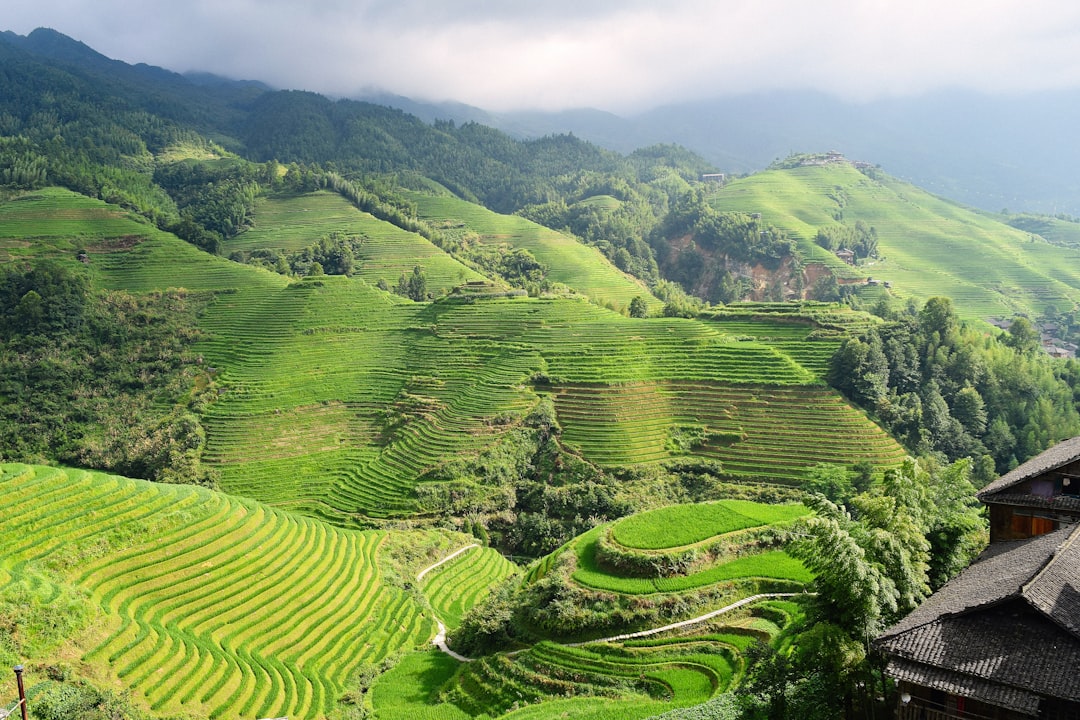
Sapa Rice Terrace Hiking Trail Difficulty
Sapa Rice Terrace Hiking Trail Difficulty
The Sapa rice terrace hiking trail in Vietnam is a popular destination for hikers and nature lovers, with its stunning scenery and **challenging trails**. The hiking trail difficulty varies by season and weather patterns, making it essential to plan your trip accordingly. The main keyword for this article is Sapa rice terrace hiking trail difficulty ratings by season and weather patterns, with related keywords including hiking in Vietnam, Sapa hiking trails, rice terrace hiking, and weather patterns in Sapa.
When planning your trip, consider the **best time to visit Sapa**, which is during the dry season from September to November or from March to May. During these periods, the weather is generally mild, with average temperatures ranging from 15°C to 20°C. The trails are also less slippery, making it easier to hike. However, it’s essential to note that the **weather in Sapa** can be unpredictable, and sudden rain showers can occur even during the dry season.
Seasonal Variations
Spring and Autumn
During the spring and autumn seasons, the **hiking trail difficulty** is relatively moderate, with some steep inclines and uneven terrain. The trails are surrounded by lush green scenery, and the weather is generally mild, making it an ideal time for hiking. However, it’s essential to be prepared for sudden rain showers and potential **landslides**.
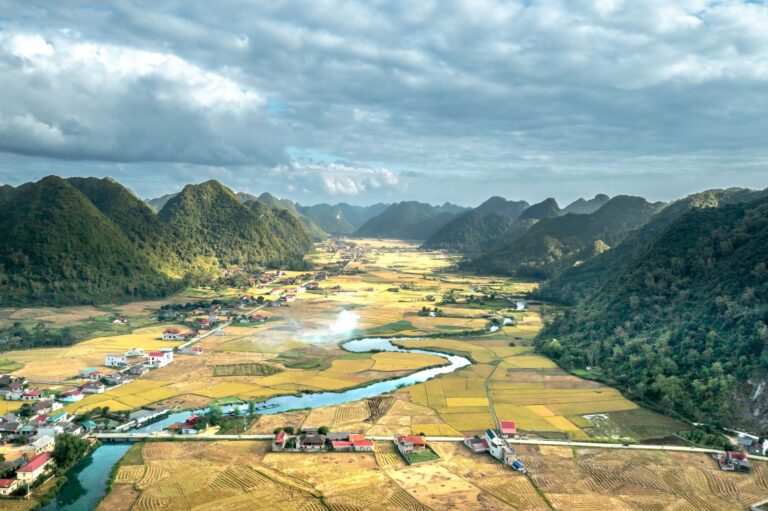
In the spring, the rice terraces are filled with water, creating a stunning reflection of the surrounding landscape. In the autumn, the rice is harvested, and the terraces are dry, offering a unique perspective on the landscape. Both seasons offer a unique experience, and hikers can enjoy the **local festivals** and **markets** that take place during these periods.
Summer and Winter
Summer
During the summer months, the **hiking trail difficulty** increases due to the hot and humid weather. The trails can be slippery, and the **sun exposure** can be intense, making it essential to bring sun protection and plenty of water. However, the summer months offer a unique opportunity to see the **rice terraces in full growth**, and the surrounding landscape is lush and green.
In the summer, the **local waterfalls** are also at their peak, offering a refreshing spot to cool off after a long hike. However, it’s essential to be aware of the potential **flash floods** that can occur during heavy rainfall.
Winter
During the winter months, the **hiking trail difficulty** increases due to the cold and foggy weather. The trails can be slippery, and the **visibility** can be reduced, making it essential to bring warm clothing and a map. However, the winter months offer a unique opportunity to see the **rice terraces in a frozen state**, and the surrounding landscape is serene and peaceful.
In the winter, the **local markets** offer a variety of warm and comforting food, including **hot soup** and **grilled meat**. However, it’s essential to be aware of the potential **road closures** that can occur due to snow and ice.
Trail Options
There are several **trail options** available in Sapa, ranging from easy to challenging. The **most popular trail** is the Muong Hoa Valley trail, which offers stunning views of the rice terraces and surrounding landscape. The trail is approximately 10 km long and takes around 4-5 hours to complete.
Other trail options include the **Lao Chai Ta Van trail**, which is approximately 12 km long and takes around 5-6 hours to complete. The trail offers stunning views of the rice terraces and surrounding landscape, as well as the opportunity to visit **local villages** and **markets**.
Preparation and Safety
When hiking in Sapa, it’s essential to be prepared and aware of the potential **dangers**. The trails can be slippery, and the weather can be unpredictable, making it essential to bring **hiking boots**, **rain gear**, and **sun protection**. It’s also essential to bring **plenty of water** and **snacks**, as well as a **first aid kit** and a **map**.
It’s also essential to be respectful of the **local culture** and **environment**. Hikers should avoid **littering** and **damaging** the trails, and should respect the **local customs** and **traditions**. By being prepared and aware of the potential dangers, hikers can enjoy a safe and memorable experience in Sapa.
Final Warning
Before embarking on your hiking trip in Sapa, it’s essential to check the **weather forecast** and **trail conditions**. The weather in Sapa can be unpredictable, and sudden rain showers or landslides can occur without warning. It’s also essential to bring **necessary gear** and **supplies**, including hiking boots, rain gear, and sun protection. By being prepared and aware of the potential dangers, you can enjoy a safe and memorable experience in Sapa. Remember to always **check with local authorities** for up-to-date information on trail conditions and weather forecasts before heading out on your hike.
📷 Photos: Aaron Greenwood (Unsplash), Omri D. Cohen (Unsplash)