Overnight Train Photography from Hanoi to Da Nang
Overnight Train Photography from Hanoi to Da Nang
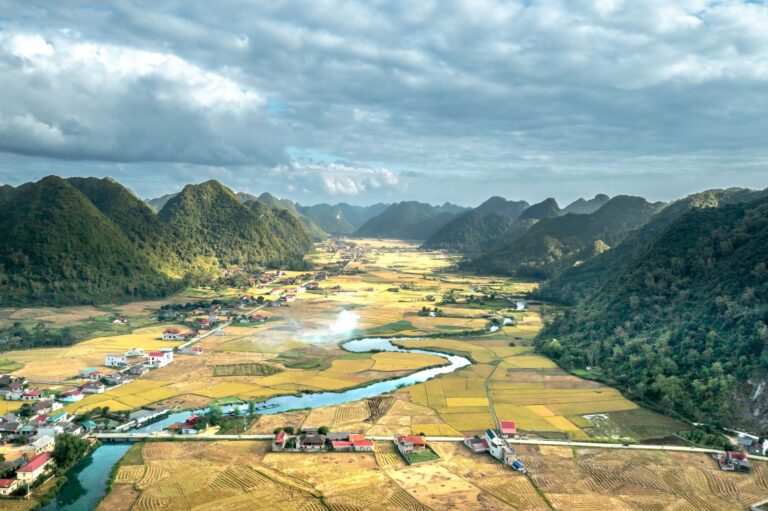
Embarking on the overnight train journey from Hanoi to Da Nang offers a unique opportunity to capture the diverse landscapes of Vietnam through your lens. With **overnight train photography** as your primary focus, securing a window seat is essential. The main keyword for this adventure is train photography, and related keywords include landscape photography, nighttime photography, and travel photography. As you travel through the night, the train chugs along the coast, providing breathtaking views of the South China Sea and the surrounding mountains.
To make the most of this experience, it’s crucial to understand the best times for photography. The **golden hour**, just before sunrise, is ideal for capturing the warm tones of the landscape. Additionally, the **blue hour**, just after sunset, offers a unique opportunity to photograph the train’s interior and the passing landscape with a cool, blue tone.
Composition Techniques for Train Photography
Understanding Your Equipment
Before you start snapping away, it’s essential to understand your camera equipment and how to use it effectively in a moving train. A wide-angle lens (between 10-22mm) is ideal for capturing the expansive views of the landscape, while a prime lens (around 50mm) can help you focus on specific details, such as the train’s interior or the faces of your fellow passengers.
When it comes to camera settings, a low ISO (100-400) and a fast shutter speed (1/1000th of a second or faster) can help you freeze the motion of the train and capture sharp images. However, if you’re looking to create a sense of motion, you can experiment with a slower shutter speed (around 1/30th of a second) and a higher ISO (1600-6400).
Capturing the Landscape
Window Seat Composition
With your window seat secured, you can start composing your shots. Look for interesting juxtapositions, such as the train’s window frame against the passing landscape. Experiment with different angles, such as shooting from a low or high perspective, to add depth and interest to your images.
Consider using the rule of thirds to balance your composition, placing interesting features, such as mountains or buildings, along the lines or at the intersections. Don’t be afraid to get creative and try out new compositions – the moving train and changing landscape offer endless opportunities for unique shots.
Nighttime Photography on the Train
As the sun sets and the train continues on its journey, you can capture stunning nighttime shots of the landscape and the train’s interior. Look for interesting lighting, such as the glow of the train’s lights or the moon shining through the windows.
When shooting at night, it’s essential to use a tripod or stabilizer to prevent camera shake and blur. You can also experiment with long exposures (around 30 seconds to 1 minute) to capture the stars and the movement of the train.
Insider Knowledge and Local Etiquette
When traveling by train in Vietnam, it’s essential to respect local etiquette and customs. Remove your shoes when entering the train’s sleeping compartments, and avoid taking photos of your fellow passengers without their permission.
For the best views, try to secure a window seat on the right-hand side of the train (when facing the direction of travel). This will give you stunning views of the coastline and the surrounding mountains. Additionally, consider bringing a power bank and portable charger to keep your devices charged throughout the journey.
Until the Next Time
As you disembark from the train in Da Nang, take a moment to reflect on the incredible journey you’ve just experienced. The overnight train from Hanoi to Da Nang is more than just a mode of transportation – it’s an opportunity to capture the beauty and diversity of Vietnam through your lens. Remember to stay curious, keep experimenting with new compositions and techniques, and always be respectful of the people and places you encounter along the way. Until next time, happy travels and happy snapping!