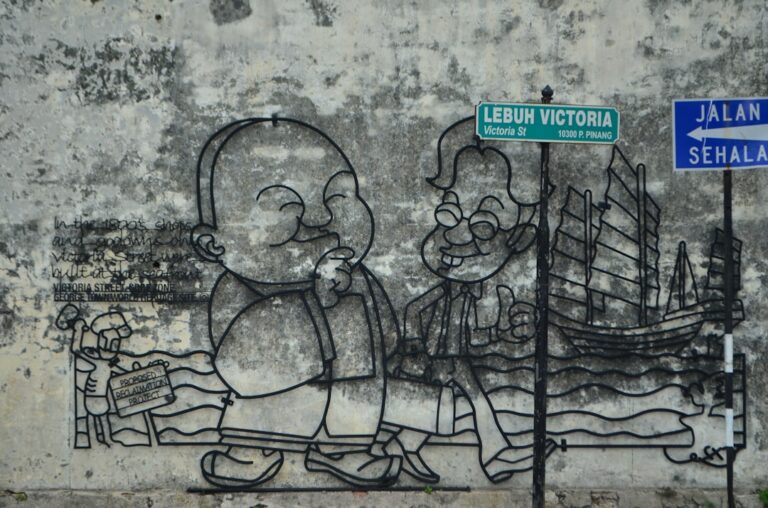
Malacca UNESCO Heritage Zone: A Walking Tour of Architecture and Photography
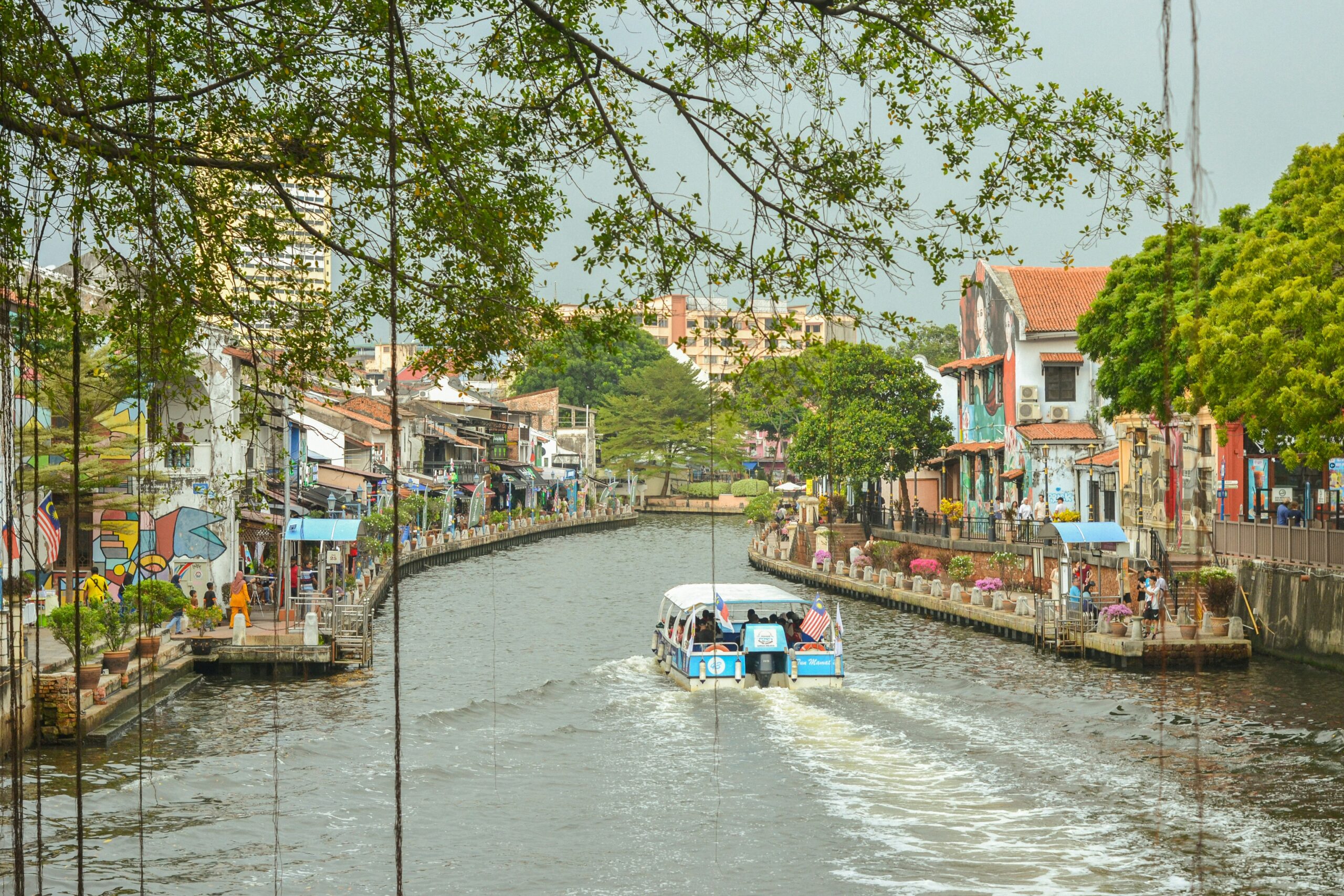
Malacca UNESCO Heritage Zone: A Walking Tour of Architecture and Photography
Malacca is one of those cities where the past doesn’t feel distant. You see it in the buildings, the colours, even the way streets bend slightly differently from what you expect. The UNESCO heritage zone is compact enough that you can explore it entirely on foot, which is really the best way to take it in.
It’s also one of the easiest places to get carried away with a camera. The mix of Malay, Chinese, and European influences means every corner gives you something visually different—sometimes in obvious ways, sometimes in small details you only notice when you slow down.
If you can, start early. The streets are quieter, the light is softer, and the heat hasn’t fully set in yet. There’s a short window in the morning where everything feels calmer, and you notice details you’d otherwise miss—old shutters, faded paint, the texture of walls that have been repainted and weathered again. Later in the day, the same spots feel busier and a bit more chaotic, which has its own energy, but it’s harder to see clearly.
As you walk around, you’ll naturally drift through the main landmarks. The Stadthuys is hard to miss with its deep red facade, and it tends to draw people in almost automatically. Right nearby, Christ Church stands out with its white and red exterior and steady flow of visitors stopping for photos. These places are popular for a reason—they photograph well, but they also carry a certain weight when you’re standing in front of them.
Jonker Street is a different pace entirely. It’s busy, sometimes crowded, full of shops and food stalls and the kind of movement that doesn’t really stop. It’s not a place you “compose” carefully so much as one you react to. The Malacca River nearby gives you a bit of breathing space again, especially when the light starts to drop and reflections begin to soften everything around it.
Photography here is less about finding secret angles and more about slowing down enough to notice what’s already there. Shooting from lower angles can help buildings feel more imposing, especially in tighter streets where the architecture leans in a bit. Reflections along the river or in glass windows can also add unexpected layers to a shot, especially when the light is shifting.
Golden hour tends to do most of the work for you. Late afternoon light brings out the warmth in the buildings, and just after sunset, the city shifts into a quieter tone where colours deepen and shadows start to take over. It’s a small change, but it completely changes how the place feels through a lens.
If you wander a little further, Harmony Street is worth a slow walk. It’s one of the few places where temples, mosques, and churches sit within the same stretch without feeling forced or staged. It’s not dramatic at first glance, but the more time you spend there, the more you start to notice how unusual it actually is.
The Malacca Sultanate Palace, a reconstructed wooden palace, gives a different perspective again—less about street life and more about history and form. It feels quieter, more deliberate.
On weekends, Jonker Street at night turns into a night market. It’s loud, crowded, and full of food stalls and small finds. It’s not the place for careful photography, but it’s good for atmosphere. On weekdays, the same streets feel more open, and you can actually hear your footsteps in some stretches, which changes the mood completely.
A simple thing that helps here is just paying attention to timing. Mornings for structure and detail, late afternoons for warmth, nights for atmosphere. The city doesn’t really need much else.
In the end, Malacca isn’t a place you “cover” in a single walk. It’s more like something you move through slowly, piece by piece. You take photos, sure—but at some point you probably put the camera down and just stand there for a bit. That part tends to stay with you longer than anything you capture.
Photo by Fajri Hafizh on Unsplash