
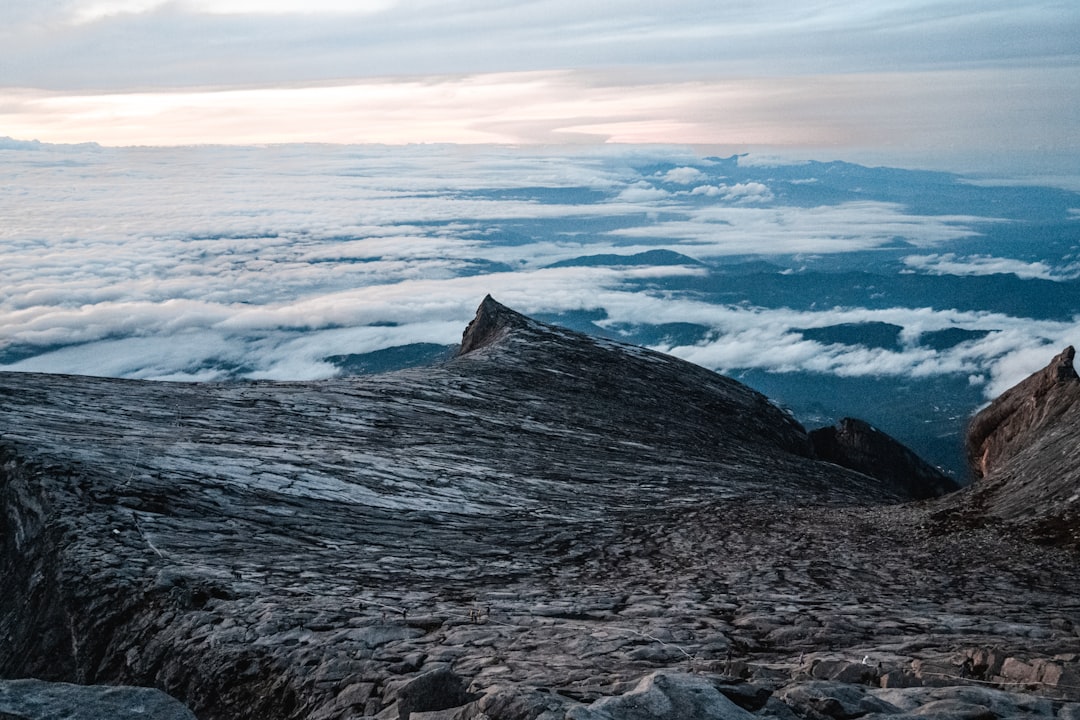
Conquering Mount Kinabalu: A Non-Technical Climber’s Guide to Altitude Acclimatization
Conquering Mount Kinabalu: A Non-Technical Climber’s Guide to Altitude Acclimatization
For non-technical climbers, reaching the summit of Mount Kinabalu, the highest peak in Malaysia, is a daunting task that requires careful preparation, particularly when it comes to altitude acclimatization. At 4,095 meters above sea level, the mountain poses a significant risk of altitude sickness, making it essential for climbers to understand the importance of acclimatization and take necessary precautions. In this article, we will delve into the world of altitude acclimatization, providing you with actionable tips and insider knowledge to help you prepare for your Mount Kinabalu summit attempt.
As you begin your journey to the summit, it’s crucial to understand the concept of altitude acclimatization and its significance in preventing altitude sickness. Altitude acclimatization refers to the process of allowing your body to adapt to higher elevations, reducing the risk of altitude-related illnesses. To achieve this, climbers must ascend gradually, allowing their bodies to adjust to the decreasing air pressure and lower oxygen levels. By doing so, you’ll be able to minimize the risk of altitude sickness and ensure a safer, more enjoyable climb.
Understanding Altitude Sickness
Before we dive into the preparation process, it’s essential to understand the risks associated with altitude sickness. Also known as acute mountain sickness (AMS), altitude sickness occurs when the body cannot adapt to high elevations, resulting in symptoms such as headaches, nausea, fatigue, and shortness of breath. In severe cases, altitude sickness can be life-threatening, making it crucial for climbers to recognize the symptoms and take immediate action. By understanding the risks and taking necessary precautions, you can minimize the risk of altitude sickness and ensure a successful summit attempt.
Preparing for the Climb
To prepare for the climb, it’s essential to start training at least 2-3 months in advance, focusing on cardiovascular exercises such as running, cycling, or swimming. This will help improve your overall fitness level, increasing your endurance and reducing the risk of fatigue. Additionally, incorporate strength training into your routine, targeting your legs, core, and upper body to build the necessary strength and stability for the climb. By combining cardiovascular and strength training, you’ll be well-prepared for the physical demands of the climb.
In addition to physical training, it’s crucial to prepare mentally for the challenge ahead. Mental preparation involves setting realistic goals, visualizing success, and developing a positive mindset. By focusing on the positive aspects of the climb and preparing for potential setbacks, you’ll be able to stay motivated and focused, even in the face of adversity. Remember, a strong mental game is just as important as physical preparation, so be sure to prioritize both aspects of your training.
Acclimatization Strategies
When it comes to altitude acclimatization, there are several strategies to help your body adapt to higher elevations. One of the most effective methods is to ascend gradually, allowing your body to adjust to the decreasing air pressure and lower oxygen levels. This can be achieved by spending a few days in the surrounding area, exploring the lower slopes and gradually increasing your elevation. By doing so, you’ll be able to minimize the risk of altitude sickness and ensure a safer, more enjoyable climb.
Another effective strategy is to incorporate rest days into your itinerary, allowing your body to recover and adapt to the higher elevation. This can be as simple as taking a day off from climbing to explore the local area or engaging in low-intensity activities such as yoga or meditation. By prioritizing rest and recovery, you’ll be able to maintain your physical and mental energy, ensuring a successful summit attempt.
Insider Knowledge and Local Etiquette
When climbing Mount Kinabalu, it’s essential to respect local etiquette and traditions. The mountain is considered a sacred site by the local indigenous community, and climbers are expected to behave in a respectful and considerate manner. This includes removing your shoes when entering temples or homes, avoiding loud noise and disruption, and respecting the natural environment. By being mindful of local customs and traditions, you’ll be able to build positive relationships with the local community and enhance your overall climbing experience.
In addition to local etiquette, it’s essential to be aware of the best times to climb Mount Kinabalu. The dry season, which runs from February to September, is the ideal time for climbing, offering clear skies and stable weather conditions. However, it’s also the peak tourist season, and climbers can expect larger crowds and longer wait times. By planning your climb during the shoulder season, you’ll be able to avoid the crowds and enjoy a more peaceful, serene experience.
Hidden Spots and Local Secrets
For those looking to experience the authentic beauty of Mount Kinabalu, there are several hidden spots and local secrets to explore. The mountain is home to a diverse range of flora and fauna, including the rare and endangered Kinabalu orchid. By taking a guided tour or venturing off the beaten path, you’ll be able to discover the unique biodiversity of the area and experience the raw, unspoiled beauty of the mountain. Remember to respect the natural environment and local regulations, ensuring the long-term preservation of this incredible ecosystem.
The Climb: What to Expect
As you begin your ascent up Mount Kinabalu, you can expect a challenging and rewarding climb. The mountain offers a range of trails and routes, catering to different skill levels and experience. The most popular route is the Timpohon Trail, a 8.5 km climb that takes around 6-8 hours to complete. The trail is well-marked and maintained, offering breathtaking views of the surrounding landscape and access to basic amenities such as toilet facilities and rest shelters.
As you climb higher, the air grows thinner, and the temperature drops significantly. It’s essential to pack warm clothing, including a hat, gloves, and scarf, as well as a waterproof jacket and pants. Additionally, bring plenty of water, snacks, and energy-rich foods to maintain your energy levels and stay hydrated. By being prepared and aware of the challenges ahead, you’ll be able to stay focused and motivated, even in the face of adversity.
Climbing Safety and Emergency Procedures
When climbing Mount Kinabalu, safety should always be your top priority. It’s essential to be aware of the potential risks and hazards, including altitude sickness, inclement weather, and steep terrain. By carrying a first aid kit, knowing basic first aid techniques, and staying informed about weather conditions, you’ll be able to minimize the risk of accidents and ensure a safe, successful climb.
In the event of an emergency, it’s crucial to have a plan in place. This includes knowing the location of the nearest shelter, having a means of communication, and being aware of the emergency procedures in place. By being prepared and staying calm, you’ll be able to respond effectively in the event of an emergency, ensuring the safety of yourself and others.
The One Last Thing
As you stand at the summit of Mount Kinabalu, looking out over the breathtaking landscape, remember that the journey is just as important as the destination. The process of altitude acclimatization, the challenges you’ve overcome, and the experiences you’ve had along the way have all contributed to this moment. Take a deep breath, soak in the beauty of your surroundings, and appreciate the incredible achievement that is reaching the summit of Mount Kinabalu. Until next time, stay curious, keep exploring, and never stop pushing yourself to new heights.
📷 Photos: Ong Cheng Zheng (Unsplash), Bryan Heng (Unsplash), Ong Cheng Zheng (Unsplash)