Why a Queue at Burnt Ends in Singapore Tastes Different at 6 AM vs. 6 PM
Why a Queue at Burnt Ends in Singapore Tastes Different at 6 AM vs. 6 PM
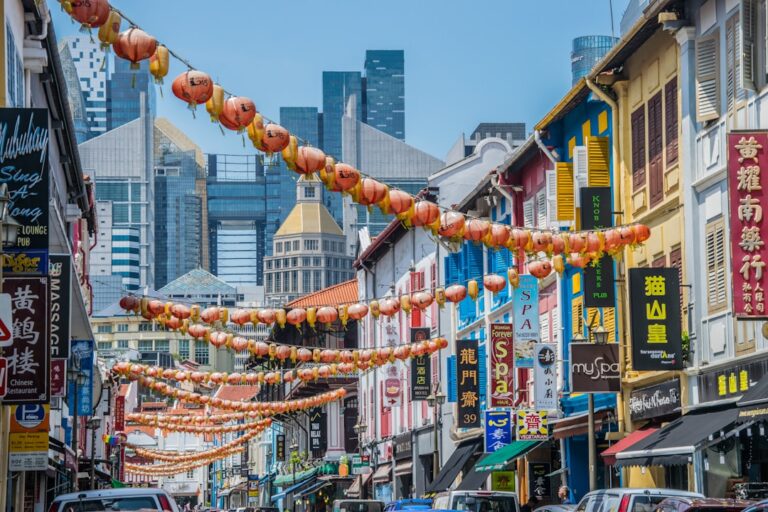
At six in the morning, before the sun has fully cleared the shophouse rooflines along Teck Lim Road, a different kind of queue forms at Burnt Ends. Not the one tourists know—the lunch and dinner roll call that snakes down the street, faces glued to phones, the wait measured in hours. This early queue is shorter, quieter, and almost entirely local. The people standing there know something about how this restaurant actually works, and it has nothing to do with the menu.
The restaurant doesn’t open until 11:30 AM. The walk-up counter, which handles the famous sanger—the pulled-pork-and-apple-slaw sandwich that travels far on Instagram—starts service at noon. So the 6 AM queue is not about getting in early. It is about a different kind of transaction entirely, one that unfolds before most of Singapore has finished its first coffee.
Camping Chairs on Teck Lim Road
Burnt Ends operates a limited same-day booking system for its counter seats. A handful of places—fewer than twenty—open for reservation at 9 AM by phone, but the rest of the dining room’s capacity is released as walk-ins. The 6 AM queue is for those walk-in slots. People show up with camping chairs, a thermos, a book. They settle in. By 8 AM the line is often past the next shophouse. By 9, it can be forty people deep.
The person at the front of that line likely arrived around 5:30. They are not a tourist who read about the restaurant at 10 PM the night before. They are someone who has done this before, who knows that the difference between a 45-minute wait and a three-hour wait later in the day is entirely about when a person decides to stand on that pavement.
A common beginner error is to show up at 11 AM expecting to join a short queue before service starts. By then the walk-in list is already spoken for. The early morning queue is the only reliable way to eat at Burnt Ends without a reservation, and even then, it requires patience. The restaurant serves roughly 80 to 100 covers per service, and about half go to walk-ins. That means the first twenty to twenty-five people in the morning queue get seats at first service. Everyone else waits for the second seating, which starts around 1:30 PM.
The Clipboard and the Humidity
The 6 PM queue is a different animal. By late afternoon, the walk-up counter is in full swing. The line for takeaway sandwiches can be twenty people deep, each order taking about ten minutes. The dining room queue is separate—a clipboard by the door, names and party sizes, the host returning every twenty minutes to update the wait time. Three hours is not unusual. Four is possible.
What makes the afternoon queue harder than the morning one is uncertainty. The morning queuer knows their position. They can count heads ahead of them and estimate with reasonable accuracy which seating they will make. The afternoon queuer has no such clarity. A table of four that lingers over dessert, a couple that ordered the full tasting menu instead of a la carte—these variables cascade through the evening, pushing estimates back by unpredictable increments. People who showed up at 5:45 and were told “about two hours” sometimes find themselves still waiting at 9 PM.
The temperature matters too. Morning on Teck Lim Road is still cool enough that a chair and a coffee feel fine. Afternoon brings the full humidity. The pavement radiates heat. The smell of charcoal smoke from the kitchen vents mixes with the exhaust from delivery trucks. It is a less pleasant wait, and that changes how people experience the food when they finally get inside. A diner who has been standing in heat for three hours is not the same diner as one who sat on a camping chair at dawn with a book.
Young Fire, Old Coal
Burnt Ends cooks over wood fire, and the fire itself imposes a kind of schedule. The kitchen starts around 9 AM, lighting the bespoke ovens, getting the coals to temperature. The first service—the lunch walk-ins who queued at dawn—eats at 11:30 AM, when the fire is young. The meat is fresh on the grills. The cooks are at their most focused. The dining room is calm.
By evening, the fire has been burning for ten hours. The coals are deeper, hotter, more variable. The same dish—the smoked quail, the beef marmalade on toast, the wood-fired king crab—will taste different because the conditions under which it cooks have changed. Some dishes peak early. The sanger, for example, benefits from morning pork that has rested overnight, the fat rendering evenly in the cooler coals. By evening, the pork has been held longer, the bread has been sitting, and the sandwich, while still good, is not the same sandwich.
Other dishes improve as the fire matures. The whole fish, cooked in a salt crust against the oven wall, benefits from the steady, high heat of an evening fire. The vegetables—cauliflower charred over the coals, corn brushed with miso butter—take on more smoke flavor later in the day. A diner who orders the same meal at lunch and dinner will not be eating the same meal.
The Sandwich at 11:30 AM vs. the Sandwich at 7 PM
Burnt Ends has two separate operations sharing one kitchen. The dining room offers the full menu: starters, proteins, sides, the tasting option if available. The walk-up counter sells a pared-down selection: the sanger, a couple of skewers, sometimes a soft-serve dessert. The queue for the counter is shorter and moves faster, but the food is not the same food.
The trade-off is worth understanding. A person who joins the morning queue for counter seats might wait forty-five minutes for a sandwich they eat standing on the street or sitting on a nearby bench. That same person, if they had queued for the dining room, would wait longer but get a four-course meal with wine pairings. Neither is better. They are different experiences entirely.
What beginners often get wrong is treating the walk-up counter as a consolation prize. It is not. The sanger, at its best, is the restaurant’s most accomplished dish—simple in concept, precise in execution. But it is not consistent. A diner who gets the sanger at 11:30 AM, when the first batch of bread is fresh and the pork has just been pulled, experiences something different from the diner who gets it at 7 PM, when the bread has been sitting and the pork has been reheated. The morning queue, even for the counter, delivers a better version of the dish.
The 9 AM Phone Call and the 5 PM Surprise
Burnt Ends takes reservations for the dining room, but they are difficult to secure. The phone line opens at 9 AM for same-day bookings, and those slots fill within minutes. Online reservations, when available, release a month ahead and vanish just as fast. The honest advice is to treat reservations as a lottery and plan around the walk-in system instead.
For the dining room, the 6 AM queue is the only dependable walk-in strategy. For the counter, showing up at 11:30 AM on a weekday, just before the counter opens, usually yields a wait of twenty to thirty minutes. Weekends are worse—counter lines can push an hour or more at any time of day.
A practical detail almost no guide mentions: the restaurant closes for a short break between lunch and dinner service, typically from 2:30 PM to 5:30 PM. Showing up at 3 PM expecting the counter to be open is a guaranteed mistake. The queue that forms at 5 PM, when the restaurant reopens for dinner, is a mixed crowd of people who planned ahead and people who wandered over without checking the hours. The latter group tends to be disappointed.
The First Pull of the Pork
The 6 AM queue is not for everyone, and it should not be presented as one. Sitting on a pavement for five hours before eating lunch is a strange way to spend a holiday. But for the traveler who values precision—who wants to eat the dish at its peak, in the quietest moment of service, without the noise of a full dining room—it makes more sense than the evening alternative.
What the morning queuer gets is not just a shorter wait. They get the kitchen at its most deliberate. They get the first pull of the pork, the first slice of the bread, the first crackle of the coal. They get a dining room that is half-empty and a staff that has time to explain where the beef comes from and why the fire burns the way it does. They get, in short, a version of Burnt Ends that the evening diner will never see.
📷 Photos: ANKUR MADAN (Unsplash)