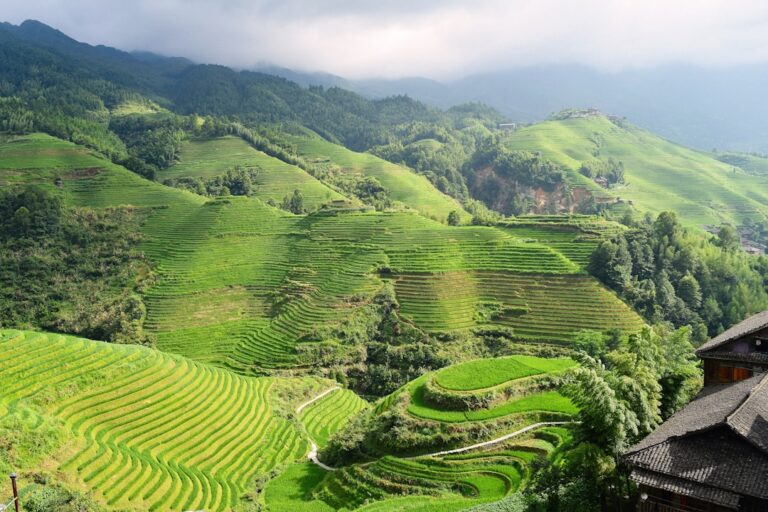
Capturing Vietnam’s Scenic Beauty: Overnight Train Photography from Hanoi to Da Nang
Capturing Vietnam’s Scenic Beauty: Overnight Train Photography from Hanoi to Da Nang
Overnight train photography from Hanoi to Da Nang offers a unique perspective on Vietnam’s diverse landscapes, with the overnight train journey providing ample opportunities to capture stunning images from the comfort of a window seat. As the train winds its way through the scenic countryside, photographers can take advantage of the golden hour, blue hour, and nighttime shots, each offering distinct compositional challenges and opportunities. To make the most of this experience, it’s essential to understand the best composition techniques for capturing the beauty of Vietnam’s landscapes from a moving train.
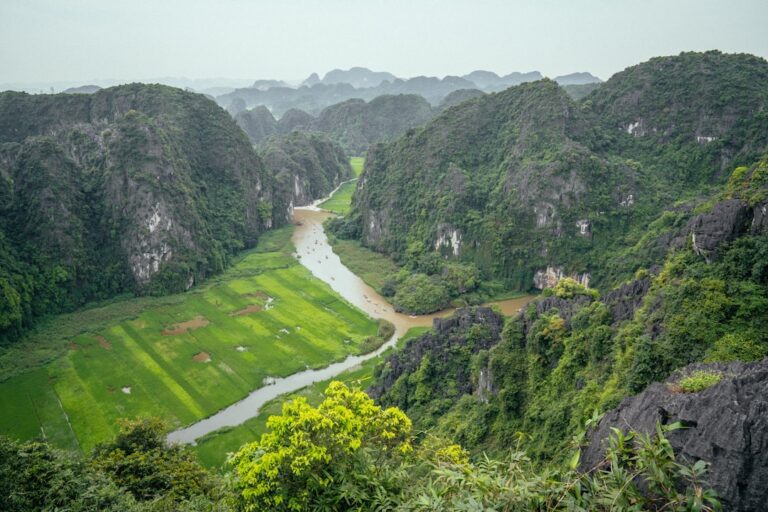
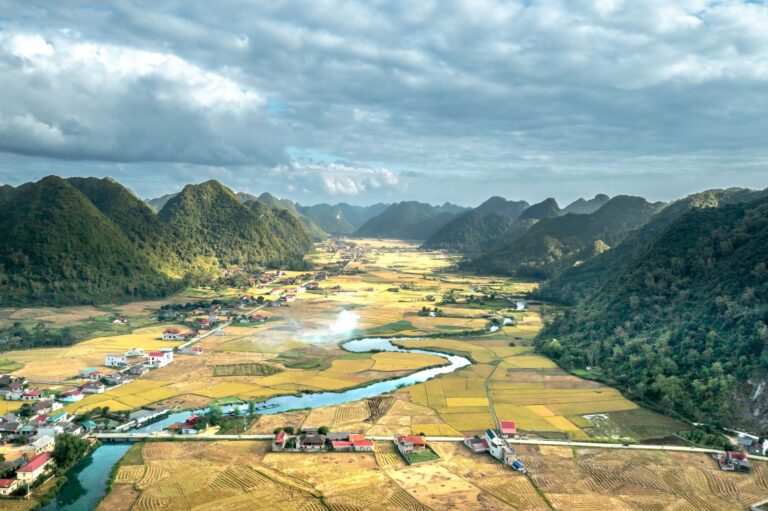
The overnight train from Hanoi to Da Nang is a popular route, covering over 700 kilometers of Vietnam’s diverse landscapes, from the Red River Delta to the Central Highlands. With a window seat, photographers can enjoy unobstructed views of the passing scenery, including rolling hills, lush forests, and picturesque villages. To capture the best shots, it’s crucial to be prepared for the changing light conditions and to have a good understanding of the camera settings and equipment needed for this type of photography.
Understanding the Route and Light Conditions
The overnight train journey from Hanoi to Da Nang takes around 16 hours, passing through a variety of landscapes and light conditions. The golden hour, which occurs during the early morning and late afternoon, offers warm, soft light that can add depth and warmth to images. In contrast, the blue hour, which occurs during the early morning and late evening, provides a cooler, bluer light that can create a sense of calm and serenity. Understanding these light conditions and how they interact with the scenery is essential for capturing stunning images.
To make the most of the golden hour and blue hour, photographers should be prepared to shoot during these times, using the appropriate camera settings and equipment. A wide-angle lens (between 10-24mm) is ideal for capturing the broad vistas, while a prime lens (such as 50mm or 85mm) can be used for more intimate, detailed shots. Additionally, a tripod or monopod can help stabilize the camera, reducing camera shake and blur caused by the moving train.
Camera Settings for Overnight Train Photography
When shooting from a moving train, it’s essential to use the right camera settings to capture sharp, well-exposed images. A fast shutter speed (at least 1/1000th of a second) is necessary to freeze the motion of the train and the scenery, while a low ISO (preferably 100-400) can help minimize noise and digital artifacts. Additionally, using the continuous autofocus mode can help track the moving scenery, ensuring that the subject remains sharp and in focus.
Another important aspect of overnight train photography is white balance. The changing light conditions can affect the color temperature of the images, so it’s essential to adjust the white balance settings accordingly. The auto white balance mode can be used as a starting point, but it’s often better to use the cloudy or shade preset to add warmth and depth to the images.
Composition Techniques for Overnight Train Photography
When shooting from a moving train, composition can be challenging due to the limited control over the subject and the scenery. However, there are several techniques that can help create compelling images. One of the most effective techniques is to use the rule of thirds, placing the subject off-center and using the scenery to create leading lines and frames. Additionally, using the negative space can help create a sense of simplicity and minimalism, drawing the viewer’s attention to the subject.
Another important aspect of composition is framing. The train’s windows and doors can be used as natural frames, adding depth and context to the images. Additionally, using the scenery itself as a frame, such as a tunnel or a bridge, can help create a sense of intimacy and connection to the subject. By experimenting with different composition techniques, photographers can add creativity and variety to their overnight train photography.
Local Etiquette and Hidden Spots
When traveling by train in Vietnam, it’s essential to respect the local culture and etiquette. This includes being mindful of the other passengers, keeping noise levels down, and not obstructing the aisles. Additionally, there are several hidden spots along the route that offer stunning views and photo opportunities. The Lang Co Beach, for example, is a picturesque beach town that can be seen from the train, while the Hai Van Pass offers breathtaking views of the coastline and the surrounding mountains.
By being aware of the local etiquette and hidden spots, photographers can make the most of their overnight train journey from Hanoi to Da Nang. This includes taking the time to interact with the other passengers, learning about the local culture, and exploring the scenic countryside. With the right composition techniques, camera settings, and knowledge of the route, photographers can capture stunning images that reflect the beauty and diversity of Vietnam’s landscapes.
The One Last Thing
As the train pulls into Da Nang station, marking the end of the overnight journey, photographers can reflect on the stunning images they’ve captured. From the golden hour shots of the Red River Delta to the blue hour images of the Central Highlands, the overnight train journey from Hanoi to Da Nang offers a unique perspective on Vietnam’s diverse landscapes. By applying the composition techniques, camera settings, and knowledge of the route outlined in this article, photographers can create a stunning portfolio of images that showcase the beauty and complexity of Vietnam’s scenery. Until next time, happy shooting!