Chasing Light in the Northernmost Isles: A Batanes Island Hopping Itinerary
Chasing Light in the Northernmost Isles: A Batanes Island Hopping Itinerary
I still remember the morning I arrived in Basco, the capital of Batanes, a small archipelago in the northernmost part of the Philippines. The sun was just starting to rise, casting a warm glow over the town, and the sound of roosters filled the air. I had been planning this trip for months, and finally, I was here, ready to explore the islands and capture their beauty through my lens.
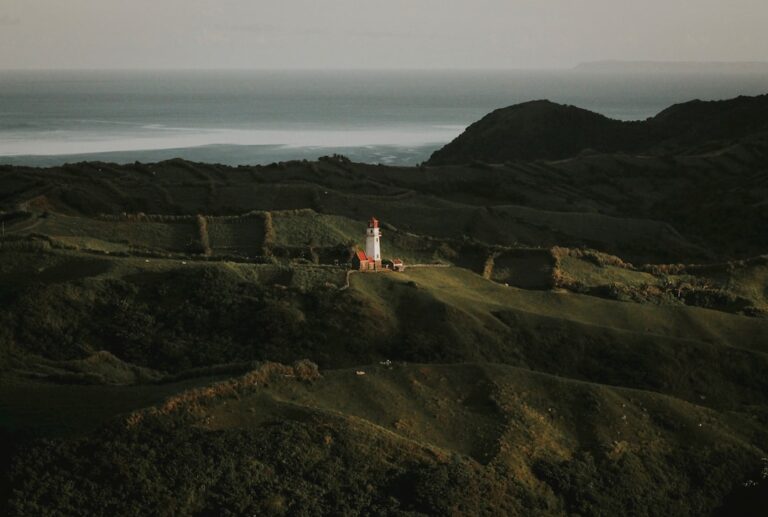
My first stop was the Basco Lighthouse, a historic landmark that offers stunning views of the surrounding landscape. I paid 20 pesos for the entrance fee and climbed the narrow stairs to the top, where I was greeted by a breathtaking view of the sea and the nearby islands. The lighthouse guardian, an old man with a kind smile, told me that the best time to take photos was during the golden hour, just before sunset.
I spent the rest of the morning exploring the town, taking in the sights and sounds of the local market, where I bought some fresh seafood for lunch. The smell of freshly cooked fish and the sound of vendors calling out their daily specials filled the air, and I couldn’t help but feel a sense of excitement and wonder at the unfamiliar surroundings.
Island Hopping in Batanes
The next day, I set out on a island-hopping tour, which cost 1,200 pesos per person, including lunch and snacks. Our first stop was Sabtang Island, known for its rugged coastline and picturesque villages. We took a ferry from the port of Ivana, which took about 30 minutes to reach the island. The sea was calm, and the sun was shining, making the ride enjoyable and relaxing.
As we walked through the villages, I noticed the unique stone houses, which were built to withstand the strong winds and typhoons that frequently hit the islands. The houses were small, with thick walls and a distinctive roof design, and they seemed to blend seamlessly into the landscape. I took a photo of one of the houses, with a old woman sweeping her doorway, and she smiled and waved at me, saying “Kumusta?” (how are you?).
We spent the rest of the day exploring the island, visiting the Sabtang Lighthouse, and taking in the stunning views of the coastline. The lighthouse was smaller than the one in Basco, but it offered equally impressive views of the sea and the surrounding landscape.
As the sun began to set, we headed back to the port, tired but happy, with a sense of accomplishment and a newfound appreciation for the beauty and simplicity of the islands.
The Northernmost Lighthouse
The following day, I visited the northernmost lighthouse in the Philippines, the Tayid Lighthouse, which is located on the island of Sabtang. The lighthouse was built in 2009 and is still operational, guiding ships and fishermen through the treacherous waters of the North Pacific. The lighthouse keeper, a young man named Joel, showed me around the facility and explained the importance of the lighthouse in ensuring the safety of the local fishermen.
I took a photo of the lighthouse, with the sun setting behind it, and Joel told me that the best time to take photos was during the golden hour, just like the lighthouse guardian in Basco had said. I realized that the light in Batanes was truly special, and it was worth waking up early and staying out late to capture it.
Photography Spots in Batanes
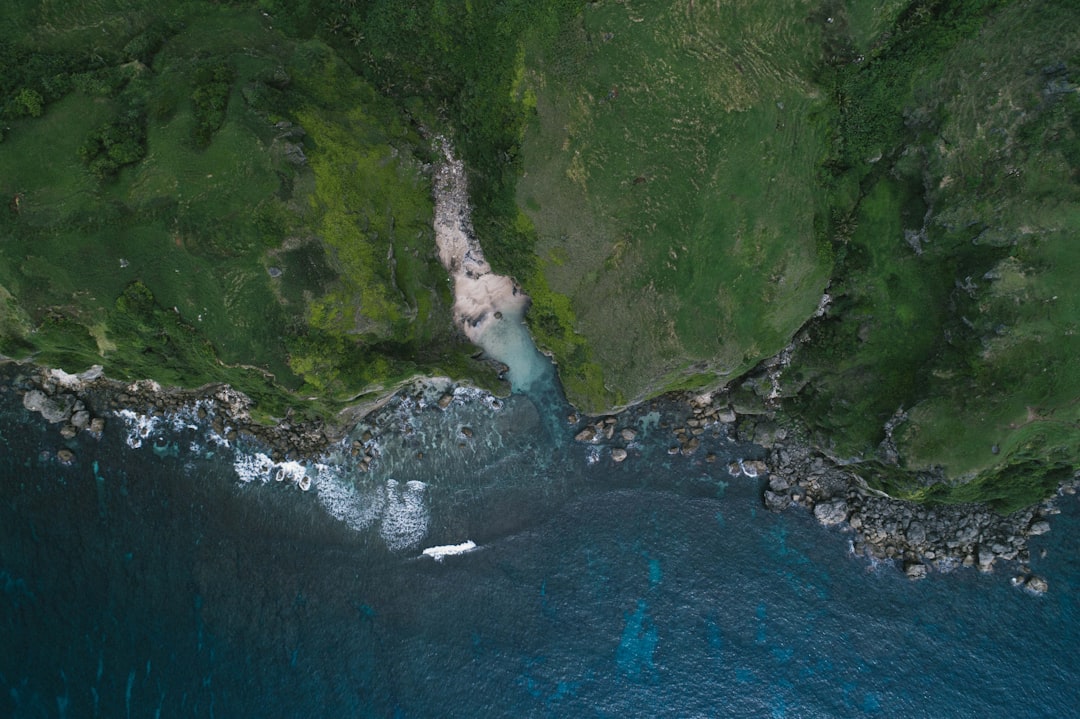
Over the next few days, I explored the islands, taking photos of the stunning landscapes, the unique stone houses, and the friendly locals. One of my favorite photography spots was the Racuh a Payaman, also known as the Marlboro Hills, which offered breathtaking views of the surrounding landscape. I took a photo of the hills, with the sun rising over them, and it turned out to be one of my favorite shots of the trip.
I also visited the Dipnaysupuan Japanese Tunnel, which was built during the Japanese occupation of the Philippines. The tunnel was dark and narrow, and it provided a glimpse into the history of the islands. I took a photo of the tunnel, with the light streaming in through the entrance, and it turned out to be a great shot.
As I walked through the islands, I noticed the unique flora and fauna, including the beautiful bougainvillea flowers, which were everywhere, and the large cows, which roamed freely through the countryside. I took a photo of one of the cows, with the sea in the background, and it turned out to be a great shot.
Bad Weather and Good Fortune
One day, as I was walking through the town of Basco, it started raining heavily, and I had to take shelter in a nearby shop. The shop owner, an old woman named Lola, offered me a cup of coffee and told me that the rain was a blessing, as it would bring much-needed water to the islands. I sat with her for a while, watching the rain, and feeling grateful for the unexpected encounter.
As the rain subsided, I set out again, this time to visit the Basco Cathedral, which was built in the 19th century. The cathedral was beautiful, with its stone walls and stained-glass windows, and it provided a sense of peace and tranquility. I took a photo of the cathedral, with the sun shining through the windows, and it turned out to be a great shot.
Food and Drink in Batanes
One of the highlights of my trip was the food, which was fresh, delicious, and plentiful. I tried the local specialty, the uvod, which is a type of sea slug, and it was surprisingly good. I also had a lot of fresh seafood, including fish, squid, and lobsters, which were all caught locally. The prices were very reasonable, with a meal costing around 100-200 pesos.
I also tried the local coffee, which was strong and flavorful, and the turmeric tea, which was soothing and delicious. The turmeric tea cost 20 pesos per cup, and it was worth every penny.
As I sat in a local café, sipping my coffee and eating my breakfast, I felt a sense of contentment and peace. The islands had a way of slowing down time, and making me appreciate the simple things in life.
A Conversation with a Local
One day, as I was walking through the town of Basco, I met a local man named Mang Eddie, who was sitting outside his house, watching the world go by. He invited me to sit with him, and we started talking about the islands, the people, and the way of life. He told me that the islands were a special place, where time stood still, and where the people were warm and welcoming.
I asked him about the challenges of living in such a remote place, and he told me that the biggest challenge was the weather, which could be unpredictable and harsh. But he also said that the islands had a way of providing for their people, and that the land was fertile and productive.
As we talked, I realized that the islands were not just a beautiful place to visit, but also a home to a community of people who were proud of their heritage and their way of life. I felt grateful for the encounter, and for the opportunity to learn more about the islands and their people.
Leaving Batanes
As my trip came to an end, I felt a sense of sadness and loss. I had grown to love the islands, the people, and the way of life, and I didn’t want to leave. But I knew that I had to go back to my own life, and to share my experiences with others.
I took one last photo of the Basco Lighthouse, with the sun setting behind it, and I felt a sense of closure and completion. I had come to Batanes to capture its beauty, but I had ended up experiencing so much more.
I’m already planning my next visit to Batanes, and I hope to return soon. If you’ve been to Batanes, I’d love to hear about your experiences and see your photos. And if you’re planning to visit, I hope this article has inspired you to explore the beauty and charm of this special place.
📷 Photos: JC Gellidon (Unsplash), Animus Invictus (Unsplash)