Unlocking the Secrets of South Korea’s Cherry Blossom Forecast: A Photographer’s Guide
There’s a short stretch in spring when South Korea changes character. Streets soften, parks fill up, and suddenly everything is pink and white for a brief moment before it’s gone again. If you catch it right, it feels like you’ve arrived at the best possible version of the country. If you miss it, you’ll still have a good trip—but you’ll also understand why everyone else was so obsessed with timing.
Blossom season usually starts somewhere around late March and drifts into early May. The tricky part is that it doesn’t move neatly on a calendar. One warm winter can push everything forward. A cold snap can hold it back. Even within the same country, the timing can feel completely different from one city to the next. So relying on last year’s peak dates is a bit of a gamble. It helps more to think in ranges than fixed days.
Most forecasts break the bloom into stages, which is actually more useful than it sounds. First bloom is when the trees just start to open up. Full bloom is the moment most people are chasing—when the branches are properly filled out and everything looks almost unreal in photos. After that comes the “falling” stage, which people often overlook. Petals start to drop and collect along sidewalks, rivers, and stone steps. It’s quieter, less dramatic, but in some places even more beautiful than the peak itself.
The season also moves gradually north. The south always wakes up first.
Jeju Island is usually where it begins. Sometimes by mid-March, the trees there are already in bloom while the rest of the country still feels like winter hasn’t fully left. Jeju is worth visiting even without blossoms, but when they do appear, the contrast is striking—dark volcanic rock, soft pink flowers, and the sea all in the same frame. Coastal spots tend to be especially memorable because nothing feels overly controlled or staged.
Busan feels different again. It’s a working city, not a postcard setting, and that changes the mood of the blossoms. You’ll find them along rivers, near roads, sometimes just tucked between apartment blocks. There are quieter parks too, where you can sit for a while without constantly shifting out of someone else’s frame. It’s less about “the perfect shot” and more about the flowers being part of everyday life.
Seoul is where things get busy. During peak bloom, certain areas turn into slow-moving crowds with cameras raised more often than not. Festivals like Jinhae draw enormous numbers of people, and you feel that immediately when you arrive. It’s not necessarily a bad thing, but it does change the experience. If you go, early mornings make a huge difference. Nighttime can also surprise you—some parks light up the trees after dark, and the atmosphere becomes softer, almost quieter even when there are people around.
One thing you notice quickly is how much timing matters within a single day. A place that feels crowded at noon can feel completely different at 8 a.m. or just before sunset. Weekdays are noticeably calmer too, though that’s obvious only after you’ve seen a weekend rush once.
Food tends to follow the season as well. Around major blossom areas, you’ll see stalls pop up almost overnight. It’s simple stuff—hot snacks, drinks, things you can eat while walking—but it becomes part of the memory whether you plan for it or not. There’s something about standing under flowering trees with something warm in your hands that sticks with you more than you expect.
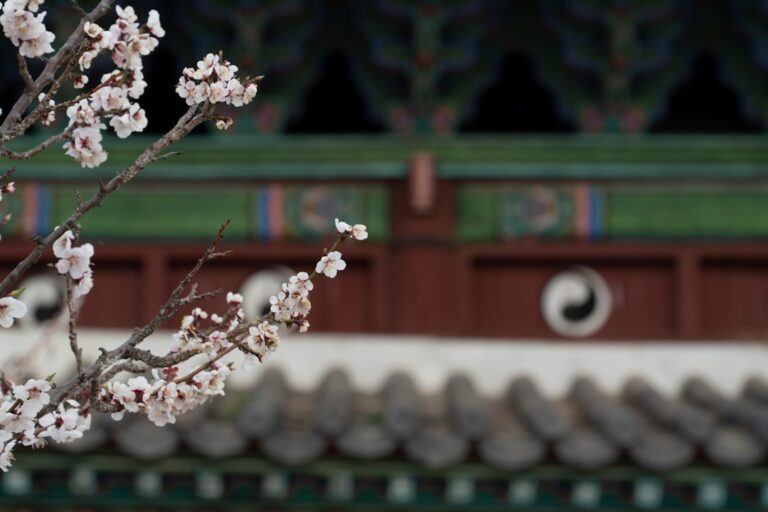
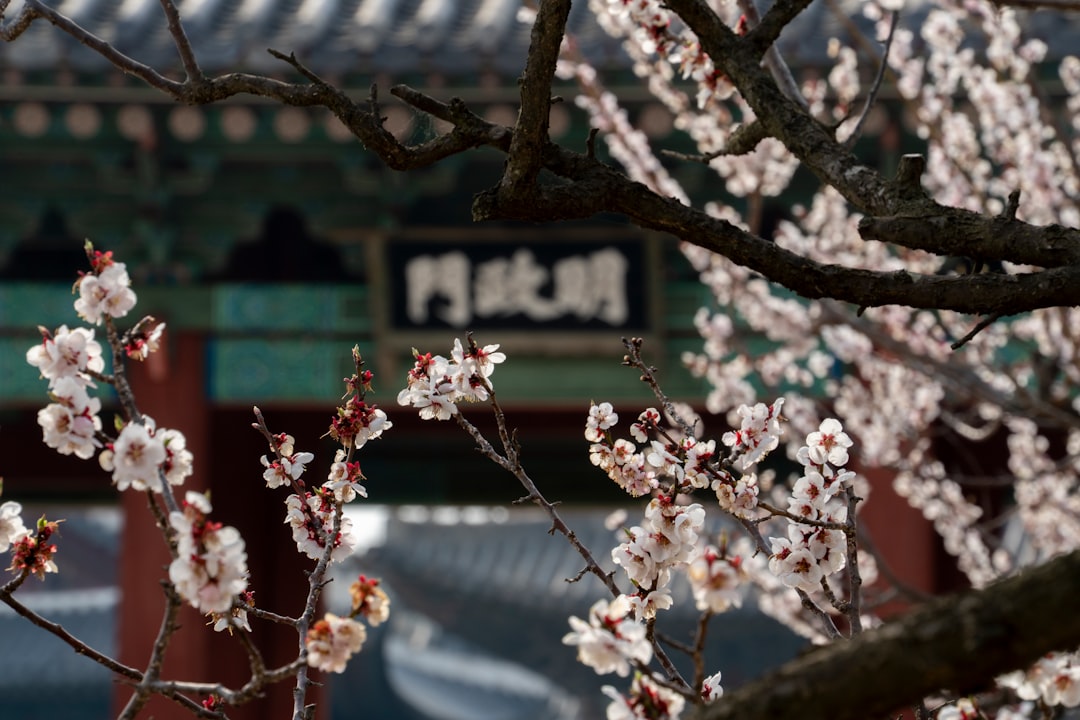
If you’re trying to photograph it, you don’t need complicated gear. A polarizing filter can help a bit with glare, especially on bright days, but timing usually matters more than equipment. Early morning and late afternoon light do most of the work for you. And while wide shots are the obvious choice, some of the better moments often come from stepping closer—just a branch or two, with everything else falling out of focus.
The main thing people underestimate is how quickly everything can change. A strong wind or a sudden rain can strip petals faster than you’d expect. A tree that looked perfect yesterday might look completely different today. That unpredictability is part of it, but it also means flexibility helps more than precision. Leaving space in your schedule—just a day or so—can make the difference between seeing the season and just missing it.
In the end, the blossoms don’t really follow plans. They arrive, peak, and disappear on their own terms. The best you can do is be there somewhere in the middle of it, pay attention, and accept that you won’t fully control the timing. That’s also part of what makes it worth the trip.
📷 Photos: Hoyoun Lee (Unsplash), Hoyoun Lee (Unsplash)